
Last updated November 25, 2026
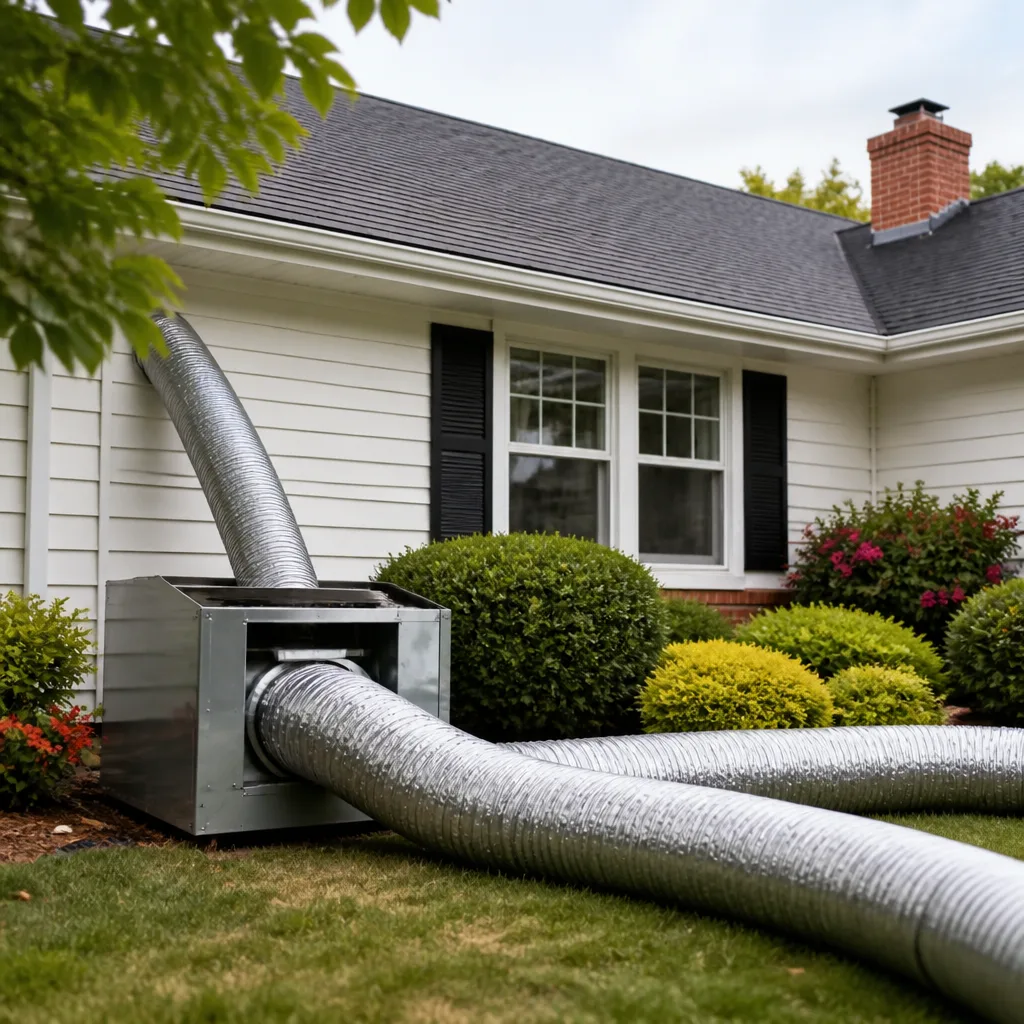 Whole-home duct cleaning
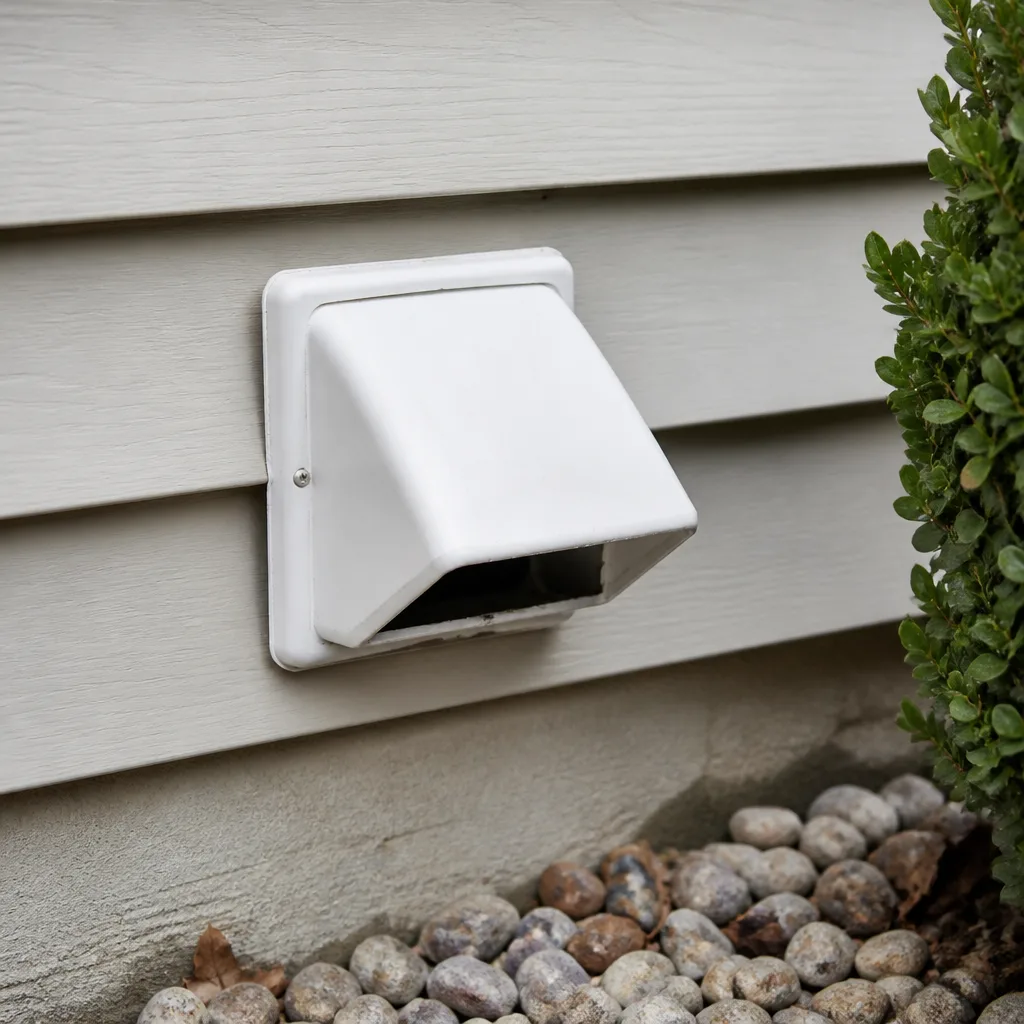 Dryer vent cleaning
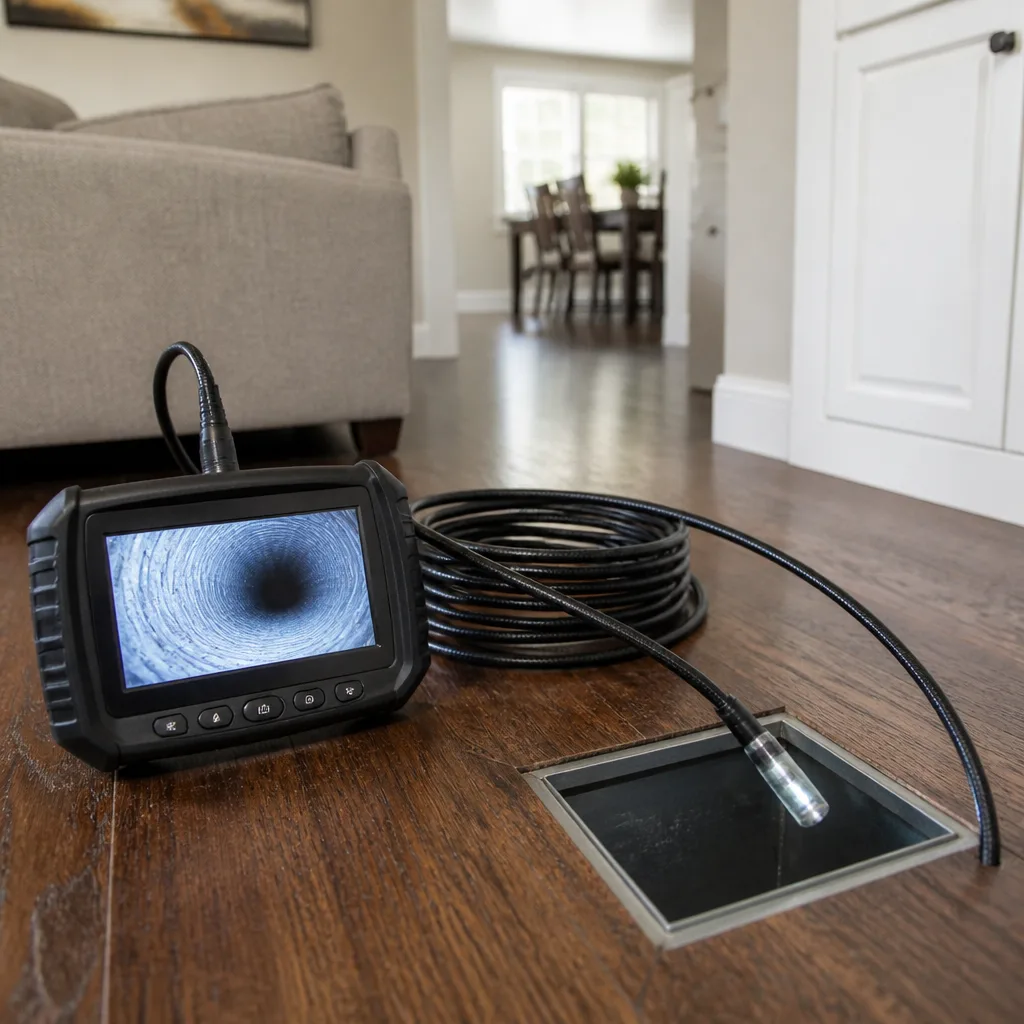 Camera inspection
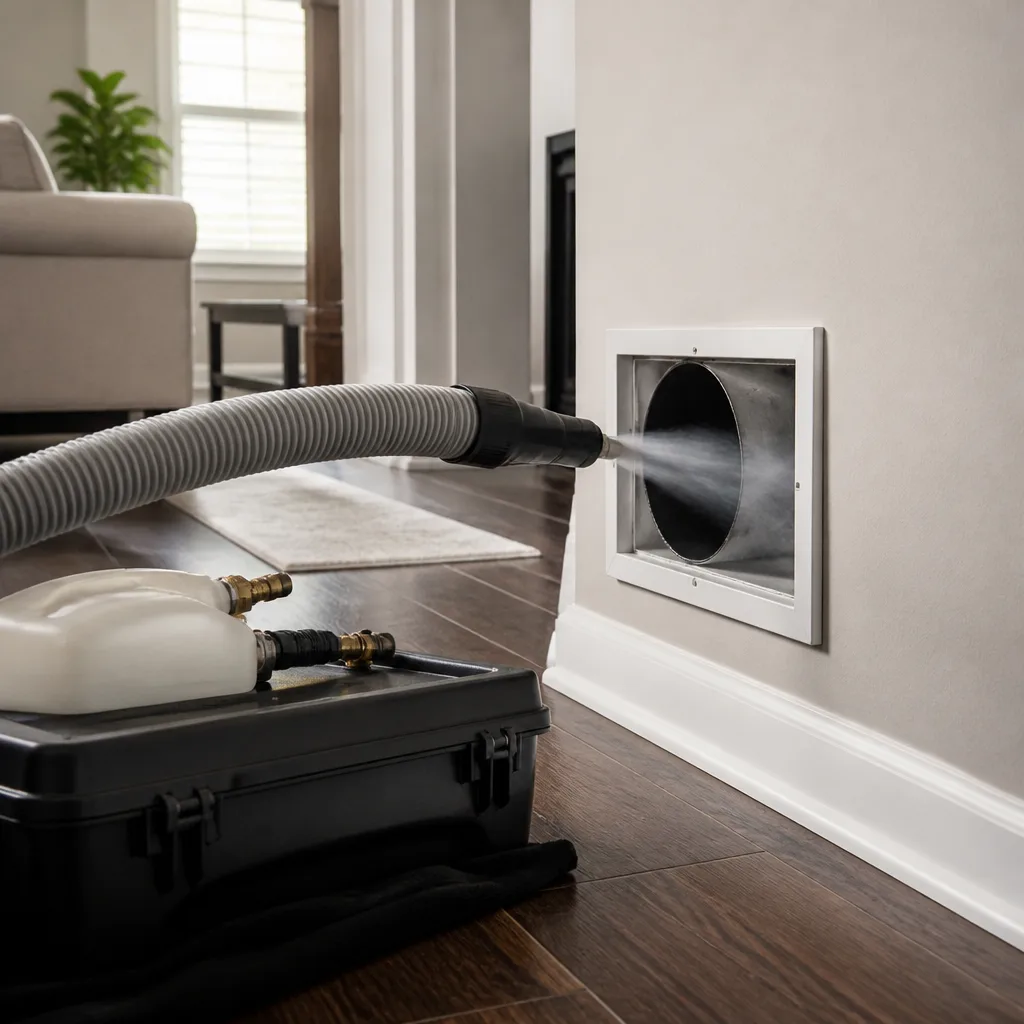 Sanitizing & deodorizing
Whole-system duct and dryer vent check with before-and-after photos - you see exactly what came out of your vents
That "$99 whole-house special" is a bait ad - the real number appears once they are in your hallway, or the "clean" is a shop-vac at the register. We photograph the inside of your ducts before and after instead.
The Complete Guide to Air Duct Cleaning in Westminster
A truck-mounted vacuum at the curb doesn’t mean your ducts are clean. It means one part of your system got one type of service. The vacuum pulls loose dust from the main trunk line, and that’s often where the job ends. Meanwhile the air handler cabinet, the evaporator coil, the branch runs feeding each bedroom, and the register grilles themselves are still carrying whatever was there before. In Westminster, where marine air rolls in off the coast and homes sit in a humid pocket that inland Orange County doesn’t share, what’s left behind can matter more than what’s removed. This guide walks through what a complete air pathway job actually involves, from the HVAC cabinet to the last vent, and how to tell the difference between a cleaning and a real diagnostic.
Quick Answer
Air duct cleaning in Westminster is a full-system process, not a single vacuum pass. A complete job covers the supply and return ducts, the air handler cabinet, the evaporator coil, the blower, and every register grille, using rotary brush agitation, a negative-pressure source, and HEPA-filtered exhaust working together. For most Westminster homes, especially those over 20 years old, the visit should also include a diagnostic look at duct leakage and airflow, because cleaning around a leaking joint leaves the same problem in place.
Styles & brands we work with
- Whole-home duct cleaning
- Dryer vent cleaning
- Camera inspection
- Sanitizing & deodorizing
Table of Contents
- Why Westminster Ducts Behave Differently
- The Equipment Sequence: Agitation, Negative Pressure, HEPA Exhaust
- The Air Handler and Coil: The Most Skipped Inspection Point
- Cleaning vs. Diagnostic: Why Older Westminster Homes Need Both
- What Post-Cleaning Verification Looks Like
- Dryer Vent Cleaning: The Safety Side of the Same Visit
- Filtration and Humidity Control Beyond the Cleaning
- How Often Ducts Really Need Cleaning in Westminster
Why Westminster Ducts Behave Differently
Westminster sits close enough to the coast that its air carries more moisture than the inland cities further east in Orange County. That single fact changes how ductwork ages. Homes here pull humid air into the return system during the cooling season, and the cool metal surfaces inside the ducts and air handler become a condensation point. Where condensation sits, dust sticks. Where dust sticks and stays damp, microbial growth has a foothold that dry inland ducts rarely see.
You’ll notice it in specific ways. Return grilles in older Westminster homes often show darker staining near the edges than the center, which points to air leaking around the frame rather than passing cleanly through the filter. That staining is a sign of a gap, not just dirt. In homes near the Little Saigon corridor and along the older residential blocks around Westminster Boulevard and Bolsa Avenue, we routinely find flex duct runs that have sagged or separated at the collar over time, and a sagging run collects debris at the low point like a trap.
The marine layer also means the system runs differently. Coastal humidity makes the AC work harder to pull moisture out of the air, so the evaporator coil stays wet longer between cycles. A wet coil plus a dusty filter is the combination that produces the musty smell homeowners describe as “old house.” It isn’t the house. It’s the coil and the plenum behind it. A cleaning that skips the coil doesn’t touch that smell at all, which is why we treat the coil and cabinet as part of the job, never an add-on.
There’s no getting around the geography. You can’t clean ducts in Westminster the way you’d clean them in Riverside or Anaheim Hills, because the moisture load is higher and the housing stock is older in many pockets. That’s the starting point for everything below.
The Equipment Sequence: Agitation, Negative Pressure, HEPA Exhaust
A thorough duct cleaning uses three distinct actions in a specific order, and skipping any one of them leaves debris behind. This is the part most homeowners never see, because it happens inside the system while they’re in another room. Here’s what the sequence looks like and why the order matters.
- Rotary brush agitation. A flexible rotary brush, run through each branch and the main trunk, physically breaks bonded dust and debris off the duct walls. Vacuum alone can’t lift dust that has adhered to the metal or the flex liner. The brush does that work first. We use Rotobrush systems because the brush head is sized to the duct and the action is controlled rather than random.
- Negative pressure source removal. While the brush is agitating, a high-volume vacuum pulls the loosened material toward a collection point. Without negative pressure, agitation just makes dust airborne inside the house. With it, the debris travels to the collector instead of into your living room. Nikro HEPA-rated vacuum equipment is what we run here, because the filtration has to hold what the vacuum picks up.
- HEPA-filtered exhaust. The exhaust from the vacuum has to be filtered before it goes back into the room, or you’ve simply moved the problem. HEPA filtration captures the fine particulate that a standard filter passes. For homes with contamination concerns or post-renovation debris, we bring in Abatement Technologies air filtration units to keep the workspace air clean during the job.
All three work together. Agitation without negative pressure is a mess. Negative pressure without agitation leaves the bonded layer in place. Filtration without either is theater. A crew that shows up with one truck and one hose and calls it done has done one of three steps.
If you want to understand how this sequence applies to a standard residential job, our page on air duct cleaning breaks down the visit from start to finish. The short version is that the equipment sequence is the service. Everything else is scheduling.
The Air Handler and Coil: The Most Skipped Inspection Point
The single most common gap in a duct cleaning job is the air handler cabinet and the evaporator coil. Most crews clean the duct runs and never open the cabinet. That’s a mistake, because the cabinet is where the air you breathe actually passes through the cooling coil, and the coil is where the moisture sits.
Here’s what a proper inspection of the air handler involves:
- The blower wheel. Dust builds on the blower blades over time, and a loaded blower moves less air. Reduced airflow means the system runs longer, which means more condensation, which means more microbial risk. The blower should be checked and cleaned as part of the job, not left for a future service call.
- The evaporator coil. The coil fins collect dust and biological growth because they stay wet through the cooling season. A coil that’s partially blocked cools less efficiently and can carry odor into every room. Cleaning the coil is separate work from cleaning the ducts, and both need doing.
- The cabinet interior and plenum. The sheet metal or composite interior of the air handler collects debris that duct cleaning never reaches. If the cabinet is dirty, the ducts get recontaminated the moment the system runs.
- The filter rack and door seal. A filter that doesn’t seat properly lets unfiltered air bypass into the cabinet. That bypass is often the real source of the dust homeowners see in the first place.
We check the cabinet and coil on every job because cleaning around them is half a service. You’ll see this reflected in how we describe HVAC cleaning as a distinct category from duct cleaning. They overlap, but they’re not the same task, and a company that treats them as one tends to skip the one that’s harder to reach.
If your air handler sits in a closet or a garage, as it does in many Westminster homes, the inspection is straightforward once the panel comes off. If it’s in an attic, access matters. Either way, the cabinet is not optional.
Cleaning vs. Diagnostic: Why Older Westminster Homes Need Both
Duct cleaning removes what’s there. A diagnostic finds out why it’s there. Westminster has a lot of housing stock that’s decades old, and in those homes the two jobs need to happen together.
A cleaning without a diagnostic is a reset. It makes the system cleaner than it was, and then it stays clean for a while, and then it goes back to where it started, because the leak that’s pulling attic or garage air into the return was never addressed. We’ve seen this pattern enough times to plan for it. The ducts look clean after the vacuum, and three seasons later the homeowner is calling again.
A diagnostic covers the things a cleaning can’t:
- Static pressure. Measuring the pressure in the supply and return tells you whether the system is moving the air it was designed to move. High static pressure points to undersized returns, a loaded coil, or a duct problem.
- Duct leakage. Gaps at collars, seams, and register boots pull air from unconditioned spaces. In a Westminster home with an attic or garage duct run, that air is often humid outdoor air or garage air, neither of which belongs in the supply stream.
- Airflow at the registers. A room that never feels right usually has a flow problem, not a cleaning problem. Measuring at each grille tells you which branch is struggling.
- Return sizing. Older homes were often built with one return for the whole house. That works less well when a family room gets added or a bedroom gets converted, and the result is a system that starves for air.
The distinction matters because Westminster Air Duct Cleaning Co treats duct repair and sealing as core work, not a referral. When a diagnostic finds leaks, we seal them. When it finds a sagged flex run, we repair or replace it. Cleaning without sealing leaks is half a job, and we do both.
What Post-Cleaning Verification Looks Like
A cleaning you can’t verify is a cleaning you’re taking on faith. The industry has a well-earned reputation problem on exactly this point, which is why we leave a record of the work behind. Here’s what verification looks like on a complete job.
- Airflow measurement before and after. We measure at the registers so you can see the change in numbers, not just hear a description. If a room’s airflow improves, that’s visible. If it doesn’t, we know something else needs attention.
- Visual camera inspection. A camera run through the ducts shows the condition of the interior, before and after. You see the duct wall, not just a photo of a vacuum head. That’s how you confirm the debris is actually gone.
- Pressure differential testing. Measuring static pressure before and after tells you whether the system is breathing more freely. On a home with a loaded coil and a restricted filter, the change can be noticeable.
- Before-and-after photos. You get photographs of your own ducts, not stock images from a brochure. What was there before is documented, and so is what was removed.
This is what separates a service you can audit from a service you have to trust. The honesty question is the biggest hesitation homeowners have, and we answer it with a camera and a measurement, not a reassurance.
Dryer Vent Cleaning: The Safety Side of the Same Visit
Dryer vent cleaning is a safety service, not a convenience one. Lint accumulates in the vent run and reduces airflow, and a dryer that can’t exhaust heat runs hotter than it should. The vent line is part of the same exhaust pathway logic as the HVAC system, and it’s the one component in the house where neglect has a fire risk attached.
Westminster homes often have long dryer vent runs, especially where the laundry sits away from an exterior wall. Every foot of run adds lint-collection surface. If your clothes take two cycles to dry, or the dryer feels hot to the touch on top, those are the signals that the vent needs attention. Our dryer vent cleaning page covers the specifics of the service, and we offer it alongside standard duct work because homeowners shouldn’t have to schedule two vendors for two parts of the same air system.
Filtration and Humidity Control Beyond the Cleaning
A cleaning resets the system. Filtration keeps it that way. In a humid coastal pocket like Westminster, the filter question is genuinely more important than it is inland, because the coil stays wet longer and the air carries more particulate that sticks to a damp surface.
We work with Honeywell and Aprilaire product lines because they cover the two things a cleaning can’t fix on its own: media filtration that captures finer particulate than a standard 1-inch filter, and humidity control that keeps the indoor moisture load in check. If your home runs humid through the cooling season, or if someone in the household deals with allergies and the cleaning alone didn’t solve it, filtration and humidity are the next layer.
Guardsman-grade sanitizing treatments are also available as part of the air quality and sanitizing service line, for cases where microbial growth has been identified and needs treatment beyond physical cleaning. We don’t sell sanitizing as a default add-on. We recommend it when the inspection finds something that calls for it.
The point is that a complete air pathway job has layers. Cleaning, repair, sealing, filtration, and sanitizing each address a different part of the problem. A company that only offers one of them will tell you that’s all you need.
How Often Ducts Really Need Cleaning in Westminster
There’s no universal interval, and anyone who quotes you one without looking at your system is guessing. What we can say is what tends to drive the schedule in Westminster homes.
- Pets and carpet. A household with pets and wall-to-wall carpet loads the return system faster than a bare-floor home. Plan on a shorter interval.
- Recent renovation. Drywall dust and construction debris travel through the system for weeks after the work is finished. A post-renovation cleaning is worth doing even if the ducts were cleaned recently.
- Older homes with original ductwork. Seams open up, flex runs sag, and leaks develop. Those homes need a diagnostic more often, because the cleaning interval doesn’t tell you anything about leakage.
- Allergy or respiratory concerns in the household. If someone in the home is sensitive, the schedule should follow the symptoms and the inspection findings, not a calendar.
- New-to-you homes. If you’ve just bought a Westminster property, you don’t know when the ducts were last cleaned or what the previous owners did. An inspection before you move in is the cleanest starting point.
The honest answer is that a visual inspection every few years, and after any renovation or move, will tell you more than a fixed schedule will. The ducts will let you know.
See the difference
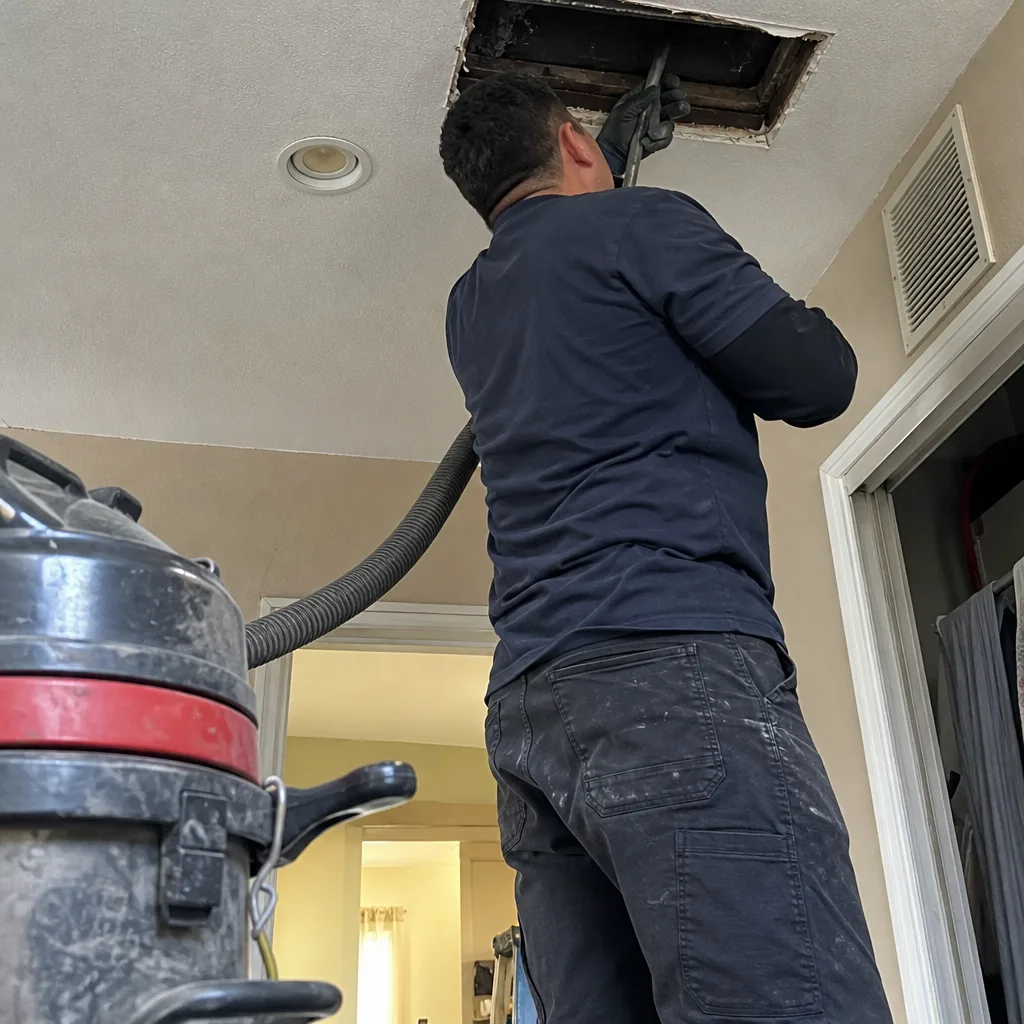 Before
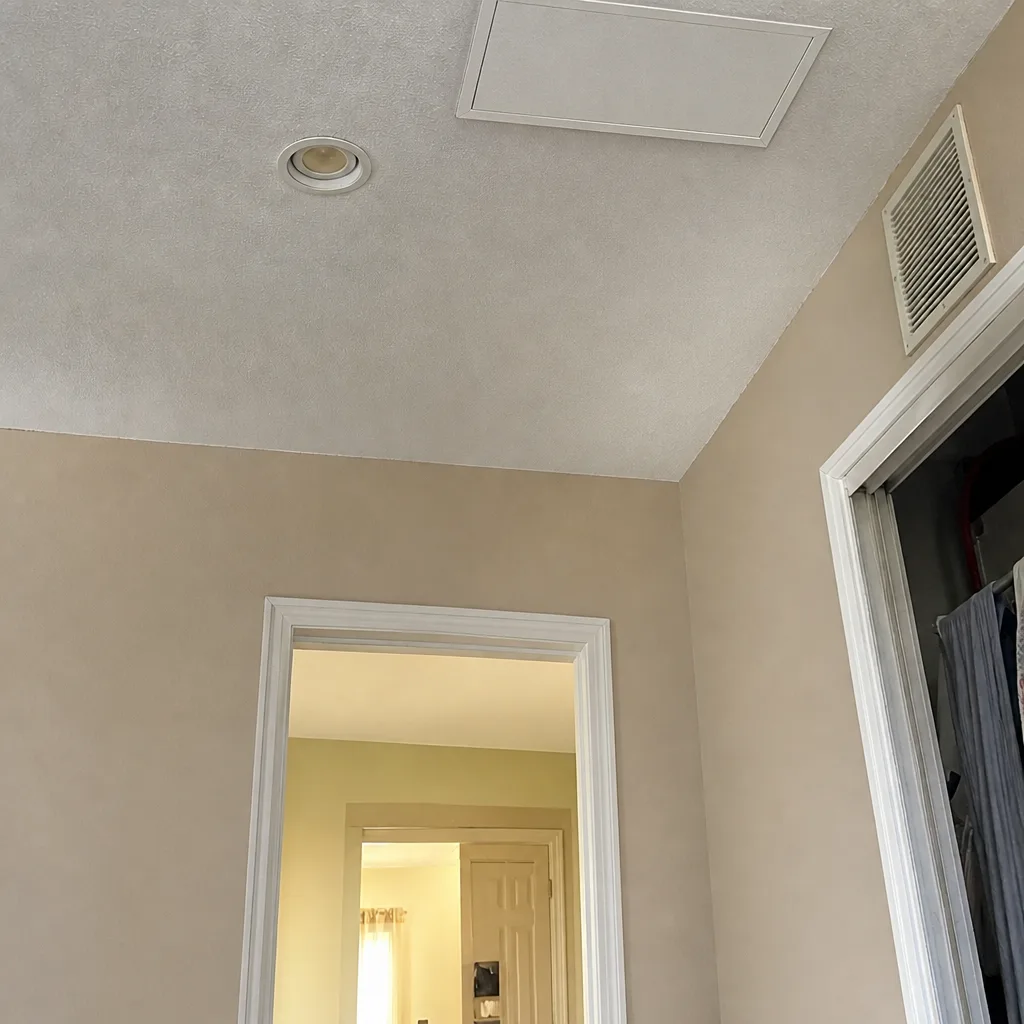 After
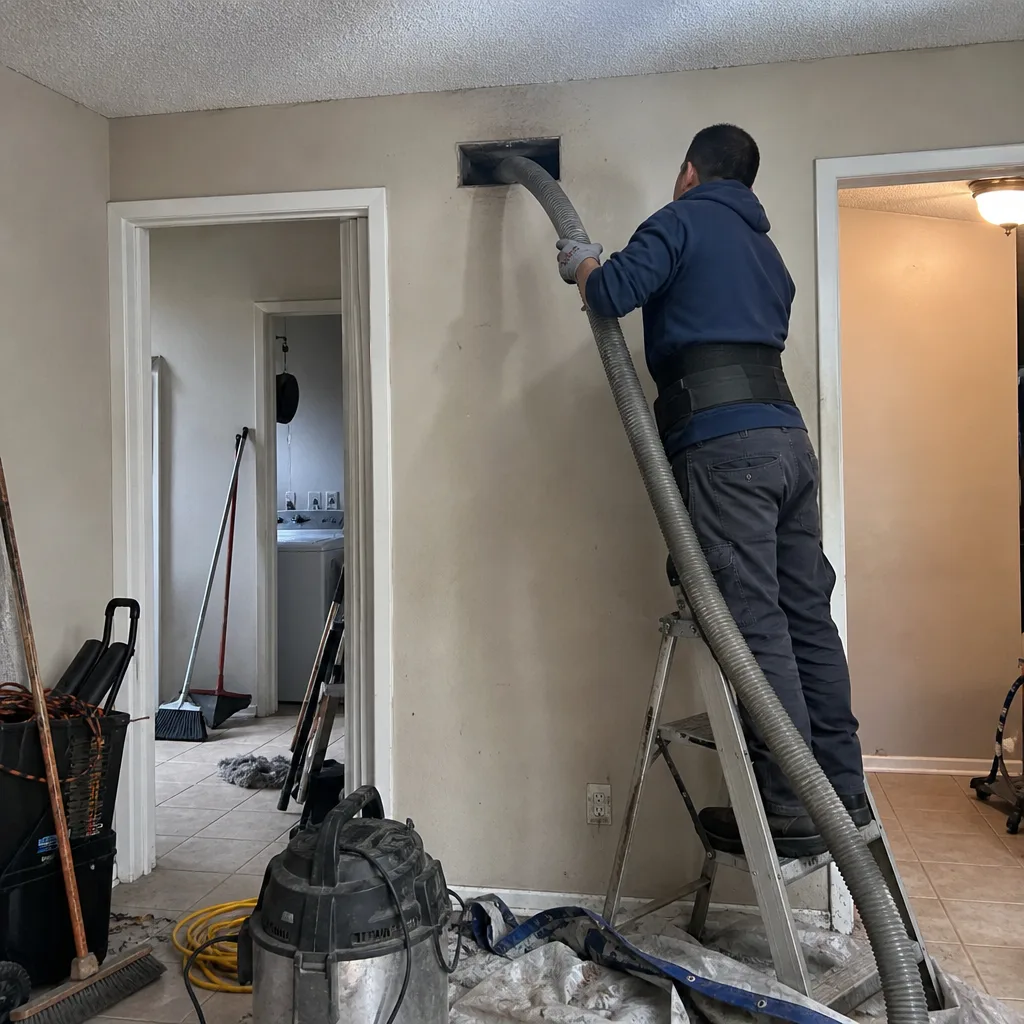 Before
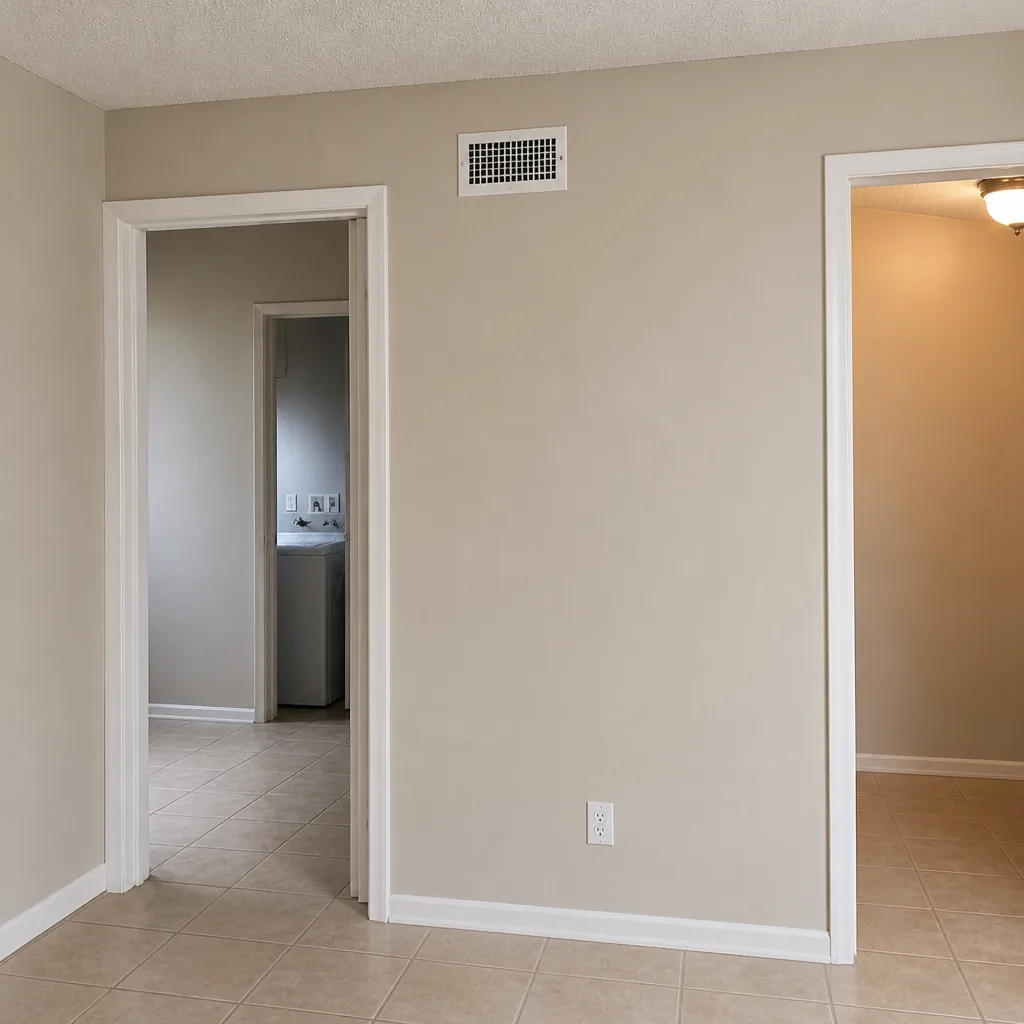 After
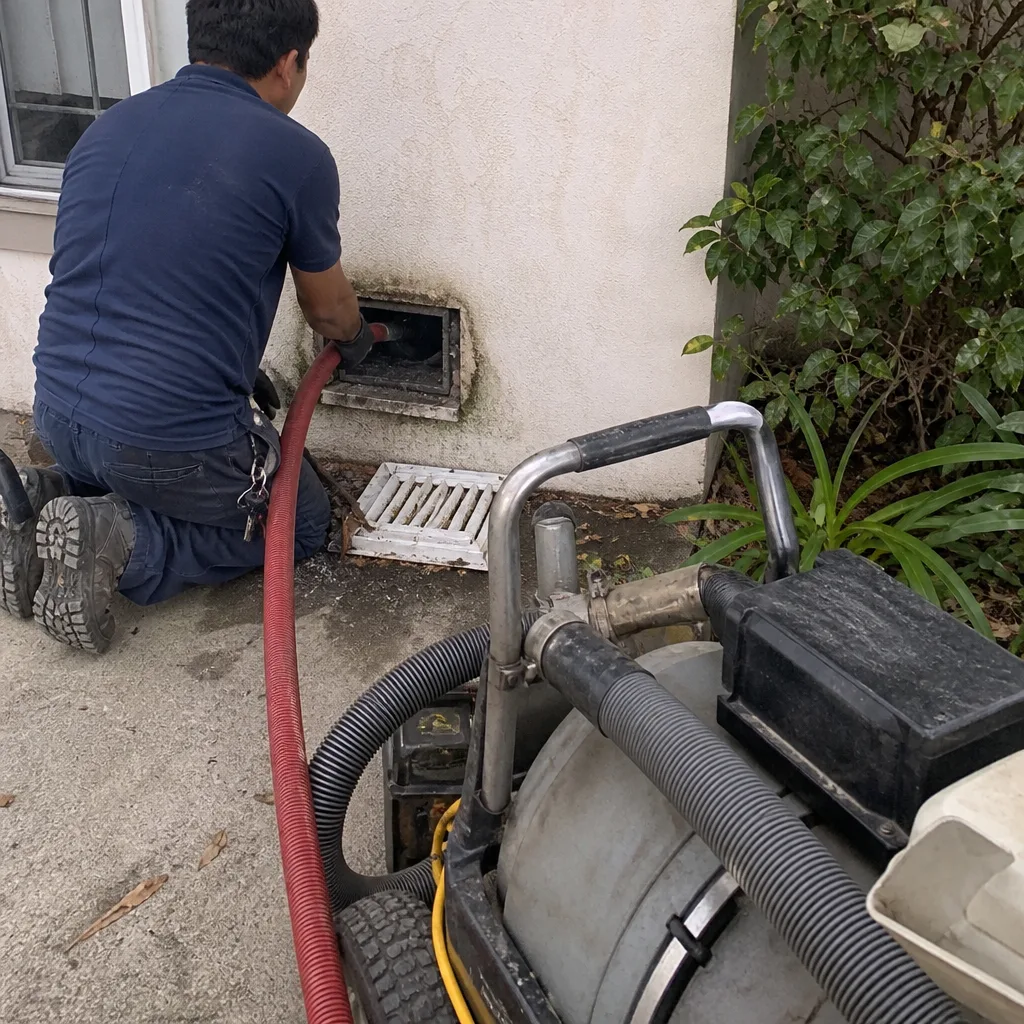 Before
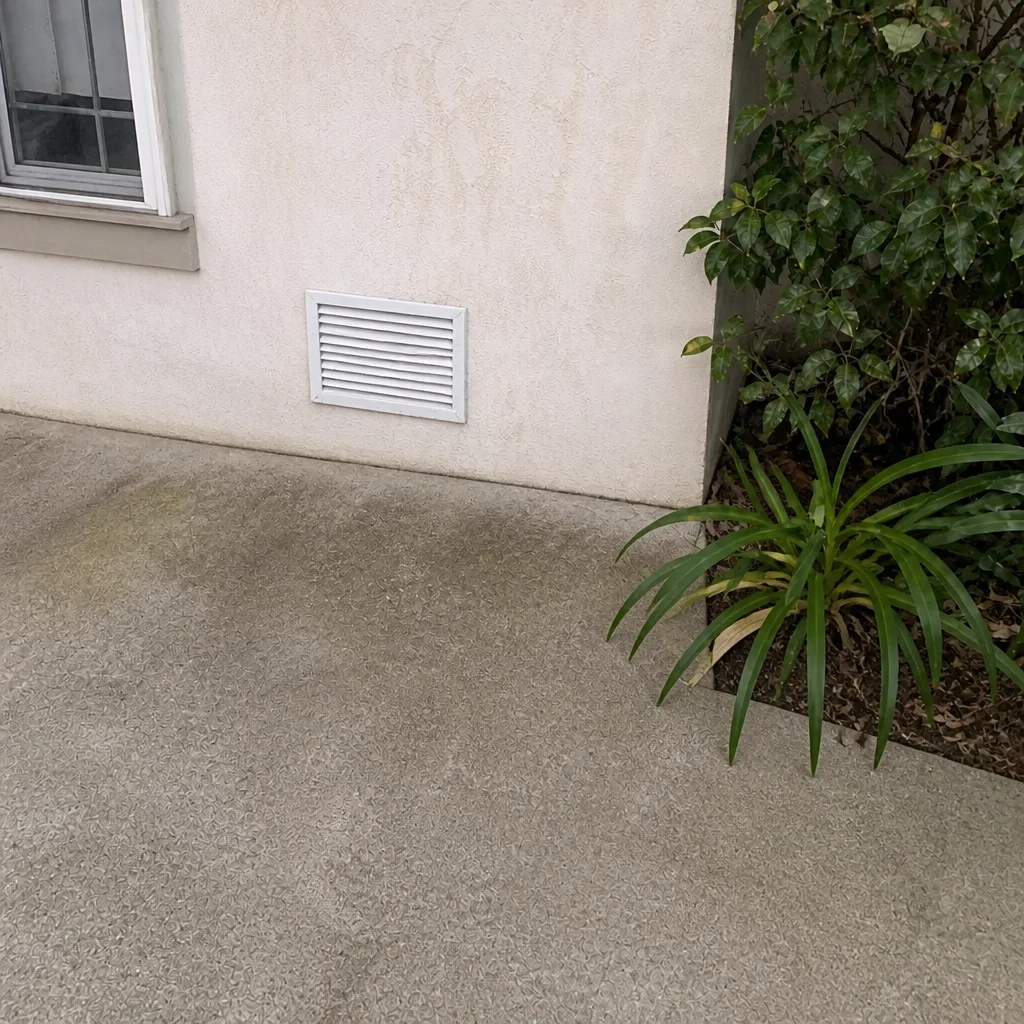 After
Common Mistakes to Avoid
- Hiring on price alone. The ad price and the final invoice are frequently different numbers. Ask for a flat price per system, agreed before any work starts, and get it in writing. A company that quotes per vent is pricing the parts it can see, not the work it has to do.
- Skipping the air handler cabinet. A crew that cleans ducts but never opens the cabinet has left the dirtiest part of the system untouched. Ask directly whether the cabinet and coil are included.
- Treating cleaning as a substitute for sealing. Clean ducts with leaking joints recontaminate quickly, especially in a humid climate. If the company doesn’t offer sealing, the cleaning is incomplete by design.
- Ignoring the dryer vent. Homeowners schedule the duct cleaning and forget the vent. It’s the one part of the system with a fire risk, and it belongs on the same visit.
- Taking “it’s clean” on faith. Ask for before-and-after photos of your actual ducts and a measurement at the registers. A company that does the work can show it.
- Overlooking the filter rack. A filter that doesn’t seat is letting unfiltered air bypass into the cabinet. That bypass is often the source of the problem the cleaning was supposed to fix.
- Assuming coastal humidity doesn’t matter. Westminster homes carry more indoor moisture than inland Orange County homes, and the coil stays wet longer. A cleaning that skips the coil doesn’t address the odor or the growth that moisture produces.
When to Call a Professional
Some conditions call for a professional visit rather than a filter change or a wait-and-see. If you’re seeing visible dust streaking around the register grilles, or if a musty smell returns shortly after the system runs, that points to the coil or the cabinet and needs an inspection. If your clothes take two cycles to dry or the dryer top feels hot, the vent needs attention. If a room never gets the airflow the rest of the house gets, that’s a diagnostic question, not a cleaning one. And if you’ve just moved into a Westminster home and don’t know the service history, an inspection is the right first move. Westminster Air Duct Cleaning Co offers free estimates in Westminster. Call (855) 550-7935. We answer 24/7. Fast dispatch from 7am to 7pm, Sunday through Friday.
Frequently Asked Questions
Most whole-system residential jobs in Westminster fall in the range of $400 to $900, depending on the number of runs, the condition of the system, and whether repair, sealing, or coil cleaning is included. The written estimate sets the final price, and we quote a flat price per system rather than per vent. Call (855) 550-7935 for an exact quote. Estimates are free.