
Last updated November 25, 2026
 Whole-home duct cleaning
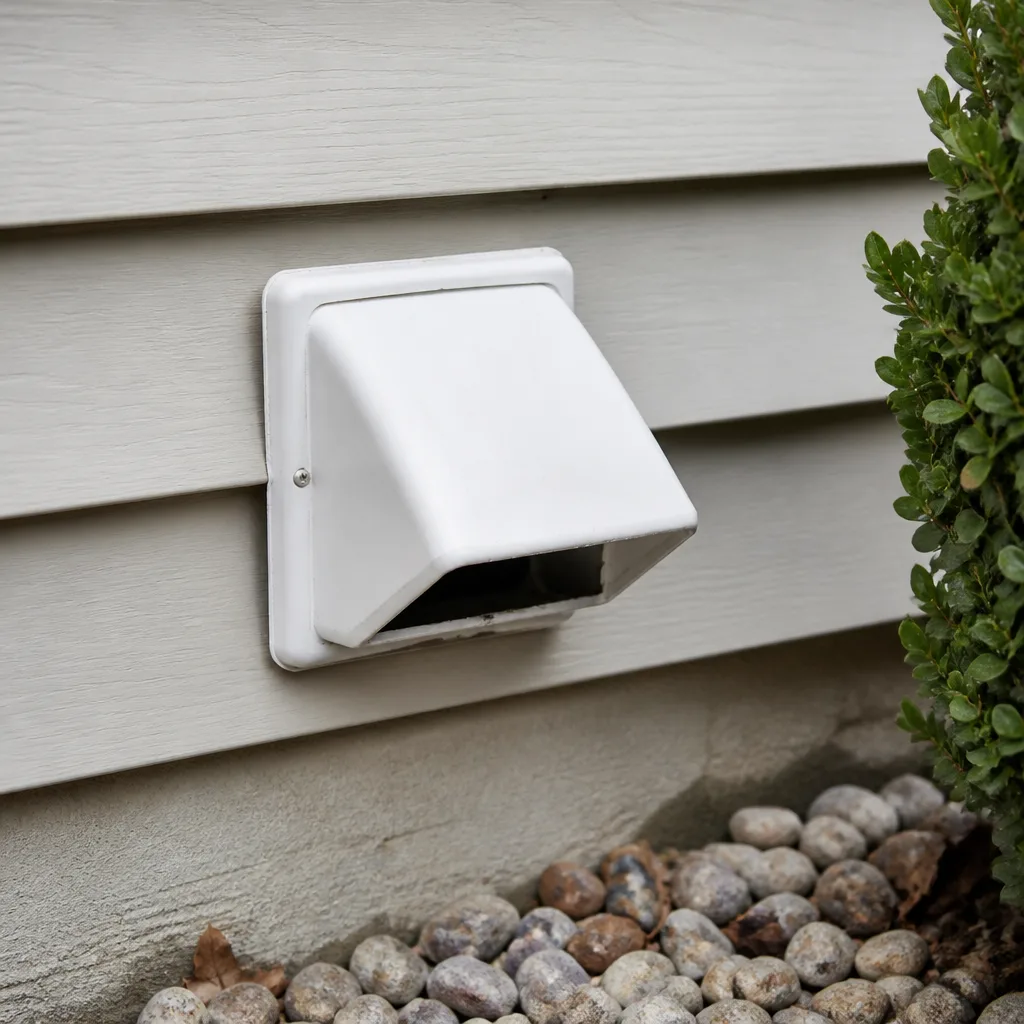 Dryer vent cleaning
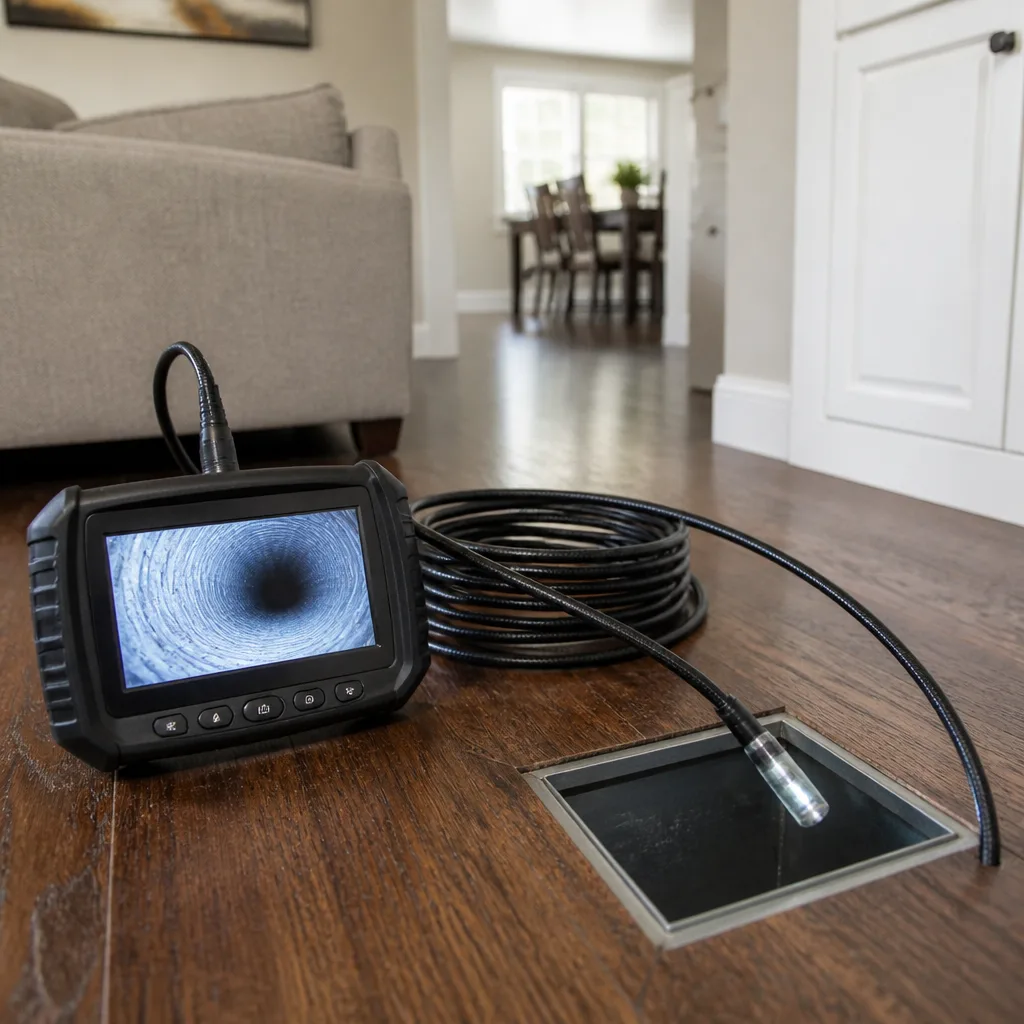 Camera inspection
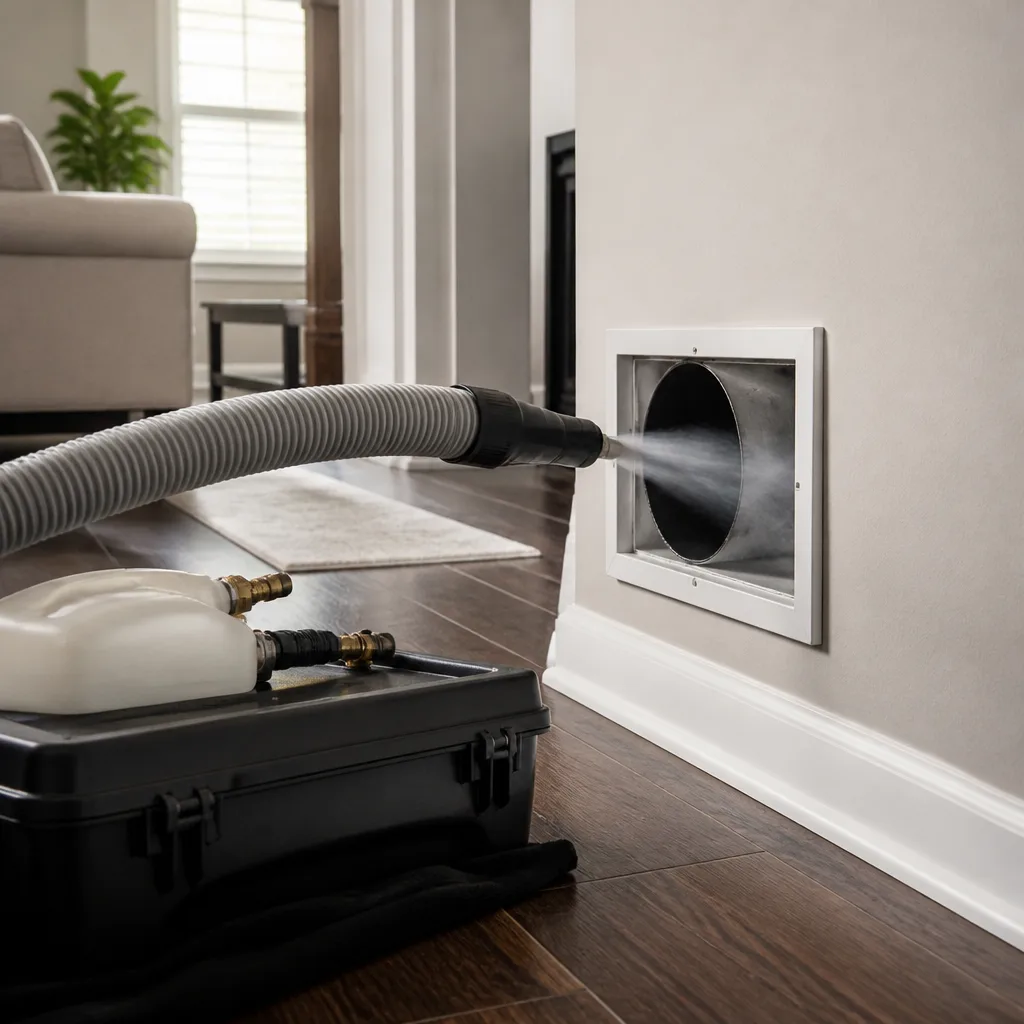 Sanitizing & deodorizing
Whole-system duct and dryer vent check with before-and-after photos - you see exactly what came out of your vents
That "$99 whole-house special" is a bait ad - the real number appears once they are in your hallway, or the "clean" is a shop-vac at the register. We photograph the inside of your ducts before and after instead.
Air Duct Cleaning Warning Signs: A Westminster Homeowner’s Reference Guide
Dust on your register grille is the last warning sign, not the first. By the time a grille looks fuzzy, the system has been signaling a problem for weeks through three other observable conditions most homeowners walk past without a second look. That’s the gap we want to close in this guide. We’ve spent enough time inside Westminster homes to know that the dust is the complaint, but the cause shows up earlier: in how a room feels, in how the air moves, and in what’s happening at the cabinet. Below, we’ve organized the warning signs by the zone of the system they come from, because each location points to a different fix. You’ll learn what to check, what each sign means, and when it’s time to call.
Quick Answer
The earliest warning signs of a duct problem in a Westminster home are uneven airflow between rooms, a musty odor that appears only on the first startup of the day, and allergy symptoms that cluster in one room. Visible dust on registers comes later. If you notice any of these, a diagnostic cleaning and inspection is the next logical step – and we offer free estimates in Westminster.
Styles & brands we work with
- Whole-home duct cleaning
- Dryer vent cleaning
- Camera inspection
- Sanitizing & deodorizing
Table of Contents
- Warning Signs by System Zone: The Framework
- The Airflow Asymmetry Test You Can Do Today
- What Odor Timing Tells a Technician
- Why Symptoms in One Room Matter
- Visual Signs at the Air Handler Cabinet
- Branch Line and Trunk Duct Signals
- Register-Level Signs and What They Hide
- Why Equipment Matters When You Call
- Common Mistakes to Avoid
Warning Signs by System Zone: The Framework
Most warning-sign articles give you an undifferentiated list: dust, smell, allergies, high bills. That list is useless because it doesn’t tell you which part of the system is failing. We read a system in four zones, and each zone’s signals point to a different intervention. Here’s the framework:
- Air handler cabinet zone: rust streaking near the drain pan, insulation debris around the cabinet door seal, frost on the coil. These point to moisture management and coil problems – the air is picking up contaminants before it ever reaches the ducts.
- Trunk duct zone: the large main runs coming off the air handler. Signals here – sagging flexible runs, disturbed insulation, visible gaps at joints – point to leakage, which wastes air before distribution even begins.
- Branch line zone: the smaller runs that feed individual rooms. Signals here are mostly airflow-based: one room weak, one room strong. This points to partial blockages, closed or stuck dampers, or a disconnected run.
- Register-level zone: the grilles you can see. Dust build-up here is the last to appear and tells you about the accumulated load the system has been carrying for weeks or months.
Westminster’s housing stock spans mid-century ranch homes, 1980s tract construction, and newer infill – and each generation of build has its own typical weak points. Older homes often have undersized or original duct runs that have never been sealed. Newer ones sometimes have tighter construction but flex duct runs that can kink or come loose behind drywall. Knowing the zone is the first step to knowing whether you’re looking at a cleaning issue, a repair and sealing issue, or a filtration upgrade. This is why our approach here at Westminster Air Duct Cleaning Co treats the whole pathway as one interconnected system rather than an isolated task.
The Airflow Asymmetry Test You Can Do Today
You don’t need instruments to catch a failing branch line. You need fifteen minutes and a piece of tissue. The airflow asymmetry test is the single most useful check a homeowner can perform, and it’s the one we recommend first when someone calls and describes uneven comfort in their home.
Here is how to do it:
- Turn the system fan on continuous (fan-only mode). This makes the test easier to read and gives you steady conditions.
- Hold a strip of tissue against each supply register in the house, one at a time. Note how far the tissue deflects and how consistent the movement feels.
- Write down what you find, room by room. A simple list is enough.
- Compare rooms that share a floor and roughly equal distance from the air handler. If two bedrooms sit side by side but one blows noticeably harder, you have asymmetry.
- Check the return grille too. A weak return pull is a separate signal from a weak supply.
Weak airflow to a single room is often diagnosed by homeowners as “that’s just how it is.” It isn’t. A partial blockage, a kinked flex run, a stuck damper, or a disconnected branch line can all produce the same symptom, and each has a solution. This matters in Westminster homes where rooms over garages or at the end of long runs tend to be the weakest. When airflow is asymmetric, the thermostat works harder and the comfort gap keeps widening until the other rooms get what they need. That’s a system problem, and it usually leads to higher energy bills and a lot of guessing before the diagnosis is made.
If you find clear asymmetry, that’s a sign to get the system inspected before you start adjusting the thermostat or closing registers yourself. Closing registers to redirect air is a common mistake that can raise pressure in the system.
What Odor Timing Tells a Technician
Two houses can both smell musty. The timing of the smell tells us two completely different things. Here’s how we read it.
A musty smell only on first morning startup usually points to moisture sitting stagnant somewhere in the system overnight. When the system is off, the air inside the ductwork and around the cabinet sits still and can pick up a stale, damp quality. When the fan kicks on, you get a burst of that smell, and then it fades. Common causes: a drain pan that doesn’t fully discharge, condensation approaching the cabinet and not leaving it quickly, or a coil section that has accumulated a film. The intervention is usually cleaning combined with a look at the moisture path – not just spraying something to mask the smell.
A persistent odor throughout the day, every time the system runs usually points to accumulated material inside the ductwork or on the coil surface – dust and debris that the airstream is continuously driving past a contaminant source. The intervention is a full cleaning of the pathway, from the cabinet out, plus assessment of whether sanitizing is warranted.
A hot, rubbery smell on startup is a different animal. That points to a mechanical or electrical issue at the air handler. Turn the system off and call a technician before continuing to run it.
In Westminster homes we often see the first pattern in the wetter stretches of the year and the second pattern in homes with pets or recently completed renovations. Renovation dust is a distinct category – sheetrock dust and construction debris pulled through return lines during and after a project often calls for a heavier filtration setup, which is why we use Abatement Technologies equipment for post-construction cleaning rather than a standard extraction run.
Why Symptoms in One Room Matter
When a homeowner tells us “my allergies are worse at home,” we ask: worse in every room, or worse in one particular room? The answer changes the diagnosis fundamentally.
House-wide symptom increase suggests a contaminant load that’s distributed system-wide. That can mean the ducts have accumulated particulate material and the airstream is carrying more of it with each cycle, or that filtration is under-performing and the return has nowhere to send the load.
Symptoms that cluster in one room are diagnostic. If a family member consistently wakes up congested in the same bedroom while the rest of the house is fine, that room is receiving an air supply that’s different in some measurable way from the others. Possible causes:
- A branch line that serves that room has come partially loose or is undersized, dragging in dust from a wall cavity or crawlspace edge before it reaches the register.
- The register for that room sits near a source – lower on a wall, behind furniture, in a room with a higher-than-average moisture load (bathroom, laundry).
- That room’s supply is weakest, so the accumulated material in that branch line has had the longest residence and the strongest chance to grow.
We hear this pattern a lot from families with young children in Westminster, particularly where the nursery or the child’s bedroom is tucked into the least-favored corner of the duct layout. We’ve seen families assume they were making it up or that it was seasonal. The timing clue is worth paying attention to, because it tells you where to look. If your child’s room is consistently the bad one while the master bedroom is fine, that’s not a coincidence – it’s a diagnostic signal worth acting on.
Visual Signs at the Air Handler Cabinet
Almost nobody looks at their air handler cabinet. But three specific things are worth checking, and all you need is a flashlight and a few minutes. These are the observations our technicians make first when they arrive at a Westminster property, because they tell us how contaminated the pathway likely is before we open a single register.
Here’s what to look for at the cabinet:
- Rust streaking near the drain pan. Any rust trail along the pan base, on the floor near the cabinet, or on the return plenum suggests moisture either standing where it shouldn’t be or condensing on surfaces it shouldn’t reach. Rust on a return-air path is a red flag for a moisture problem combined with a particulate problem – the rust particles themselves become a contaminant.
- Insulation debris at the cabinet door seal. Look closely at the seam where the cabinet door meets the body. Loose white flecks of insulation suggest the interior lining has started to break down or that air has been passing a damaged gasket. Any insulation material entering the airstream is a particulate load that belongs in a diagnostic conversation.
- Frost patterns on the coil. A light frost on the coil surface during operation, or frost that persists after the system shuts off, points to a refrigerant or airflow problem. If you can see ice on the coil, don’t keep running the system – call for service. This one isn’t a duct cleaning issue, and a technician should assess it first.
If you see any of these three, the next step is a full system evaluation that includes the ducts but doesn’t stop there. This is the part where we see a lot of one-service cleaners stop – they’ll vacuum the ducts and leave the cabinet issues in place. From the HVAC cabinet to the vent grille, we clean the entire air pathway because the source of the contamination is often upstream of the ducts themselves. A cabinet with degraded insulation or a struggling coil needs that addressed alongside the cleaning, or the contamination comes right back.
Branch Line and Trunk Duct Signals
Between the air handler and the individual registers, the ductwork itself can show signals you can spot with a flashlight in an accessible attic, basement, or crawlspace. In Westminster, many homes have flexible duct work in the attic, which makes several checks possible.
Look for these, in order of importance:
- Sagging runs. A flexible duct that dips in the middle has lost some of its cross-section and moves less air. The dip also catches dust more readily.
- Tears or gaps in the outer jacket. The outer vapor barrier on insulated flex duct should be intact. A tear exposes the insulation, and enough of a tear can degrade the run’s airflow performance and effectiveness.
- Separated or taped-over joints. Old cloth-backed tape drying out and failing is common on older homes. Gaps at joints are the definition of duct leakage.
- Kinked or crushed runs at connections. A run that bends sharply right at the plenum or the branch fitting is a common sign, particularly in homes where the trunk line was reconfigured by a previous owner.
- Disconnected flex runs. The most under-reported issue we find. A run that’s come loose from its fitting is pumping conditioned air into the attic while starving the room. If your airflow asymmetry test was dramatic in one room, a disconnected branch is high on the differential diagnosis list.
Cleaning without sealing leaks is half a job. We treat duct repair and sealing as a core part of the work because if you clean a leaky system and don’t close the leaks, you’ve cleaned twice and solved nothing. In a Westminster home with original mid-century ductwork, the sealing sometimes generates more comfort improvement than the cleaning itself.
Register-Level Signs and What They Hide
The dust on your register is the most visible sign, and that’s why it’s the one most people respond to. But it’s also the least diagnostic. Dust on a grille tells you material is accumulating somewhere; it doesn’t tell you where it started.
What to check at the register level:
- Dust uniformity. A light, even film across all registers points to an ongoing load. One register caked while others are clean points to a localized problem, possibly a branch line or an issue with the room itself (moisture, proximity to a source).
- Debris at the throat. The inside of the register, where the duct ends, is worth a look. Visible debris or insulation bits at the throat suggests the run itself needs attention.
- Closing registers to “fix” airflow. If you’ve been closing registers to redirect air, you’ve been compensating for a problem the system is telling you about. This is one of the biggest things homeowners do that the system was never designed for – closing registers increases system pressure and can reduce overall performance.
- Grille fasteners. Loose grille screws and gaps around the grille opening are common leak sources that go untreated.
We see a lot of registers in Westminster that haven’t been touched since the home was built. When we take a register off and find debris caked against the board, we’ve found part of the story – but we also make sure the story starts at the cabinet and follows the full route. That’s the difference between a cleaning that solves the symptom and one that actually addresses the source.
Why Equipment Matters When You Call
When you’ve identified warning signs and you’re ready to call, the question becomes what equipment will actually be used. This is where a lot of quotes become confusing, because the industry has a wide range of equipment quality and a lot of it sounds similar on paper.
What matters in practical terms:
- Extraction capability. A shop-vac setup cannot pull material the way a contractor-grade system can. We use Nikro HEPA-rated vacuum equipment because the filter should be able to trap what’s been loosened, not redistribute it. We also use Rotobrush rotary brush systems for agitation – the brush loosens material the vacuum can’t reach on its own. These are the same systems professional contractors rely on.
- Air filtration for contaminated environments. In homes with post-construction debris, heavy contamination, or remediation-level concerns, a standard extraction run isn’t enough. Abatement Technologies air filtration equipment is a higher tier, and it’s the reason we can handle those environments without turning them into a separate job.
- Filtration and humidity integration. After cleaning, some homes need more than a cleaning. We carry Honeywell and Aprilaire solutions for upgraded filtration and humidity control – a path to make the clean state last rather than a one-time reset.
- Sanitizing. Guardsman-grade sanitizing treatments are available as part of the air quality service when the situation warrants it.
In our experience, the biggest reason a cleaning doesn’t hold is that the source wasn’t addressed. That’s why, when a Westminster homeowner calls about warning signs, our approach is full-system: clean, then repair and seal, then assess whether filtration or sanitizing belongs in the plan. That’s how the fix lasts.
For a full breakdown of what duct cleaning involves, see our air duct cleaning page.
Common Mistakes to Avoid
- Judging by dust alone. If you only act when dust is visible on the registers, you’re ignoring the earlier signals for weeks. Check the airflow and the odor timing as well, because those signs arrive long before the dust does.
- Ignoring a musty smell on startup. A smell that appears only on first startup feels like it “goes away,” so it’s easy to ignore. It isn’t going away – it’s telling you something about the moisture path, and it’s worth investigating.
- Closing registers to fix uneven airflow. This is a very common choice in Westminster homes with a weak bedroom or loft. Closing registers pushes up system pressure without fixing the underlying branch line issue. Find the cause instead.
- Assuming an HVAC reset fixes everything. Replacing a filter or adding a second filter does not solve duct contamination or leakage. The system can only filter what reaches it, and it’s not reaching it if the ducts have gaps and loose runs.
- Having ducts cleaned but not sealed. If the system has leaks, cleaning without sealing leaves the same opening for new dust to enter. A full-system approach includes sealing as part of the plan.
- Choosing the lowest quote from a company that only offers one service. A one-service cleaner may be able to clean a duct but won’t address cabinet issues, leakage, or filtration. Compare quotes on scope, not just price.
- Not looking in the attic or crawl space. In Westminster, a lot of the important signals – sagging flex runs, failed tape, disconnected branches – are in the attic, not at the register. Take a look up there if it’s accessible.
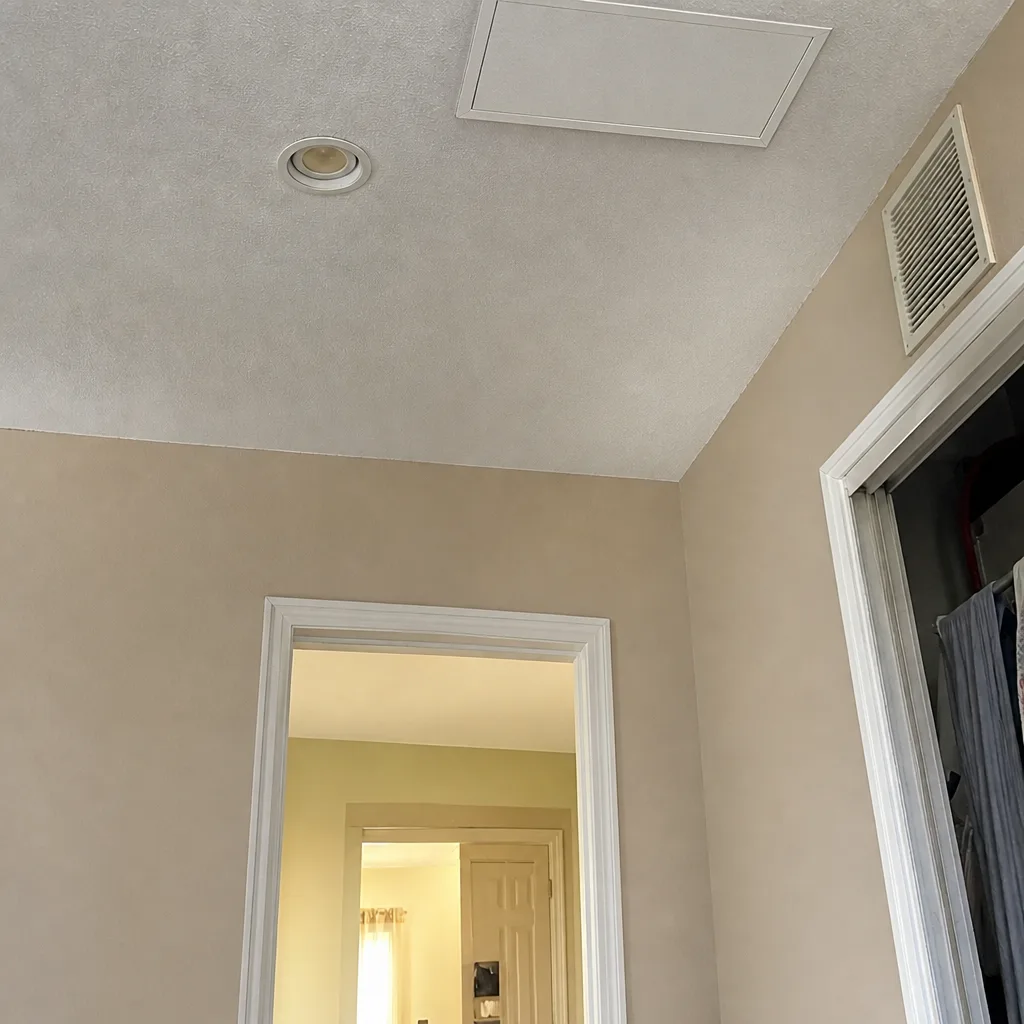
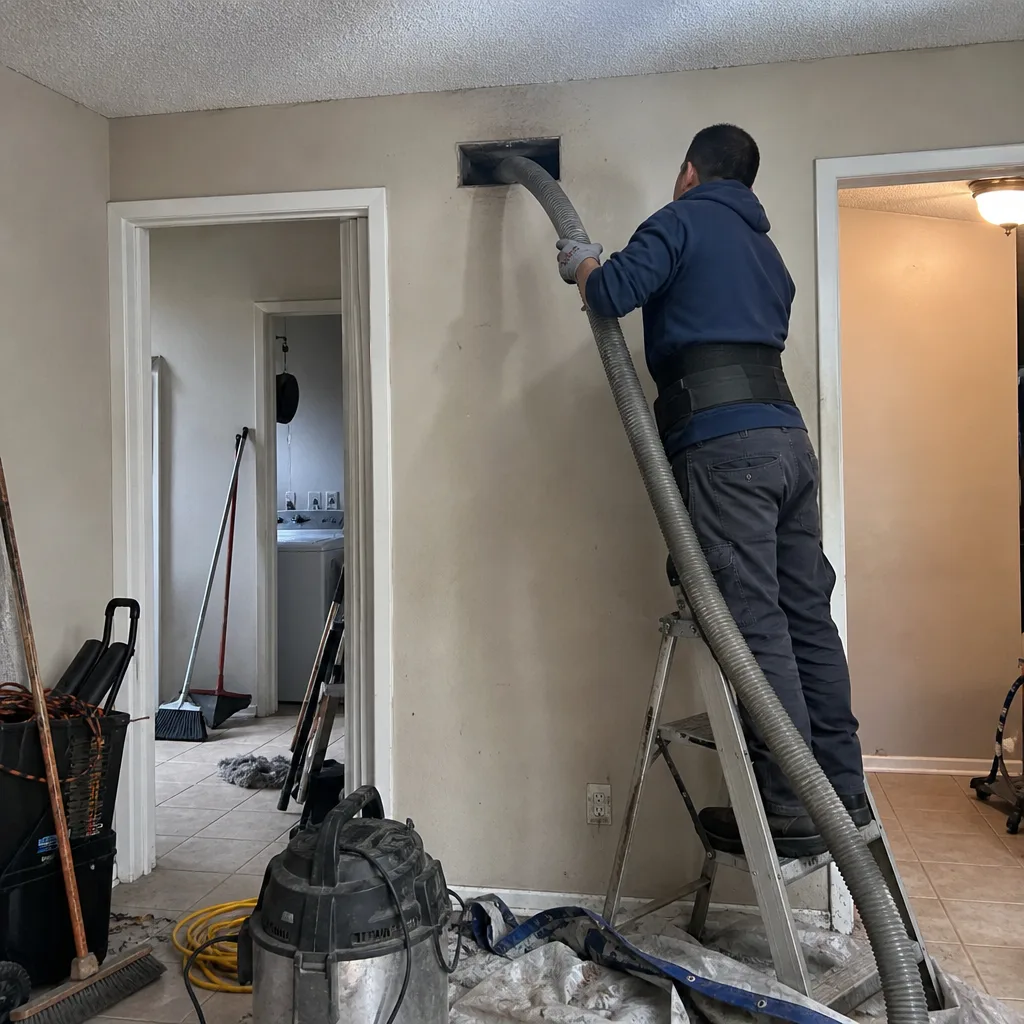
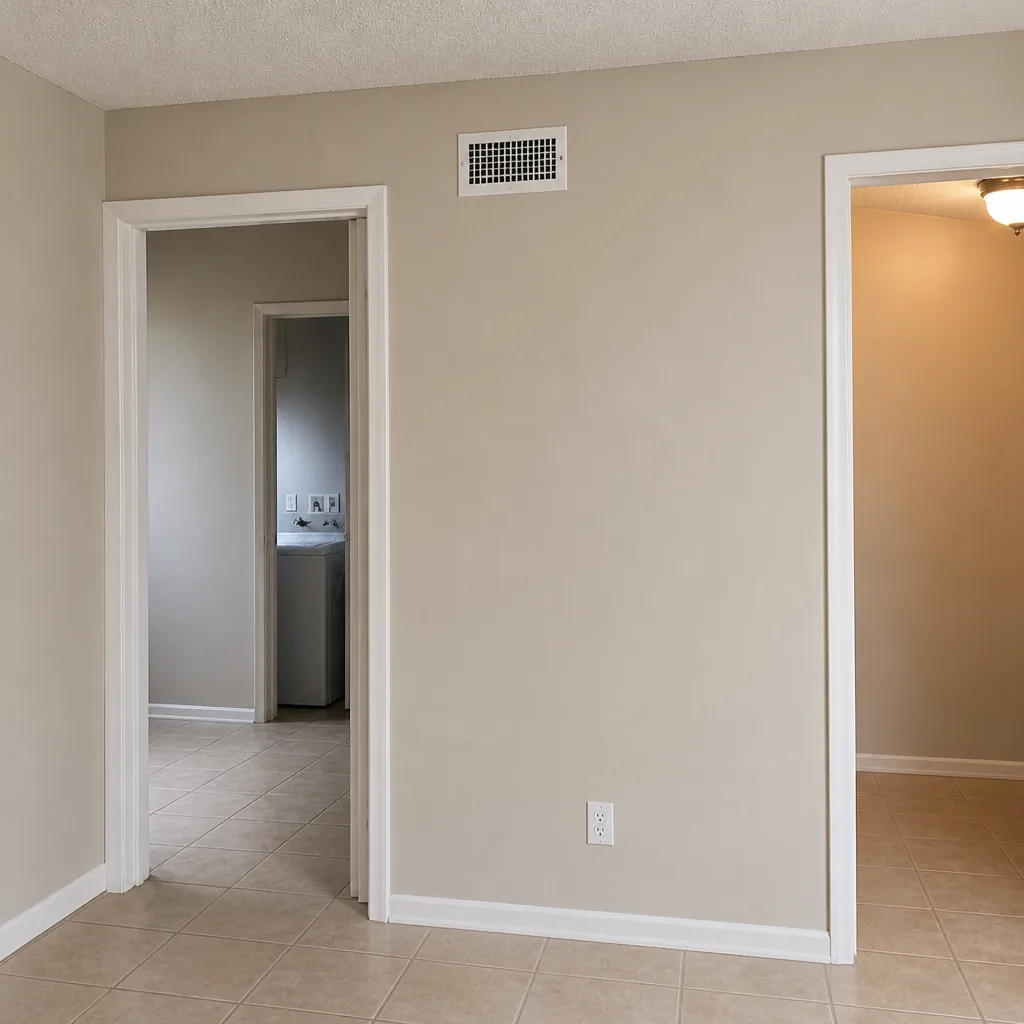
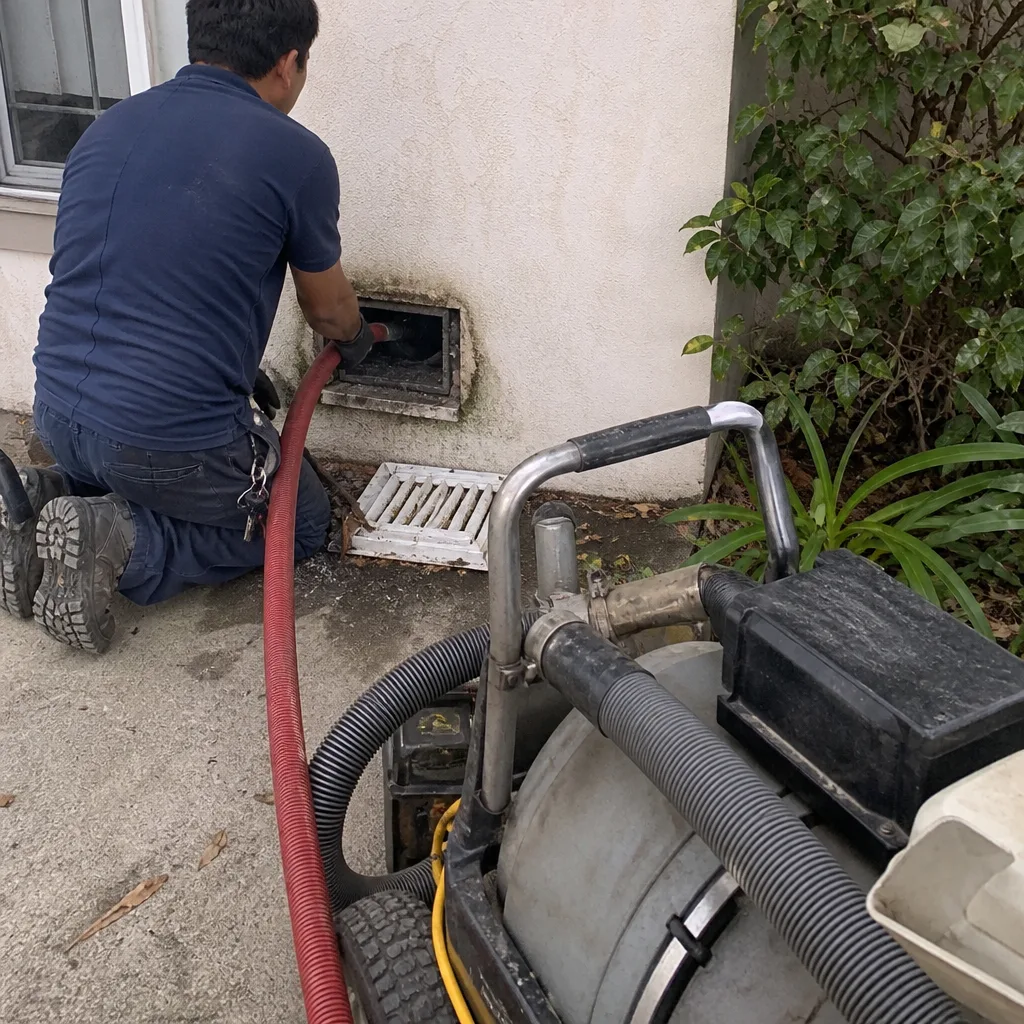
See the difference
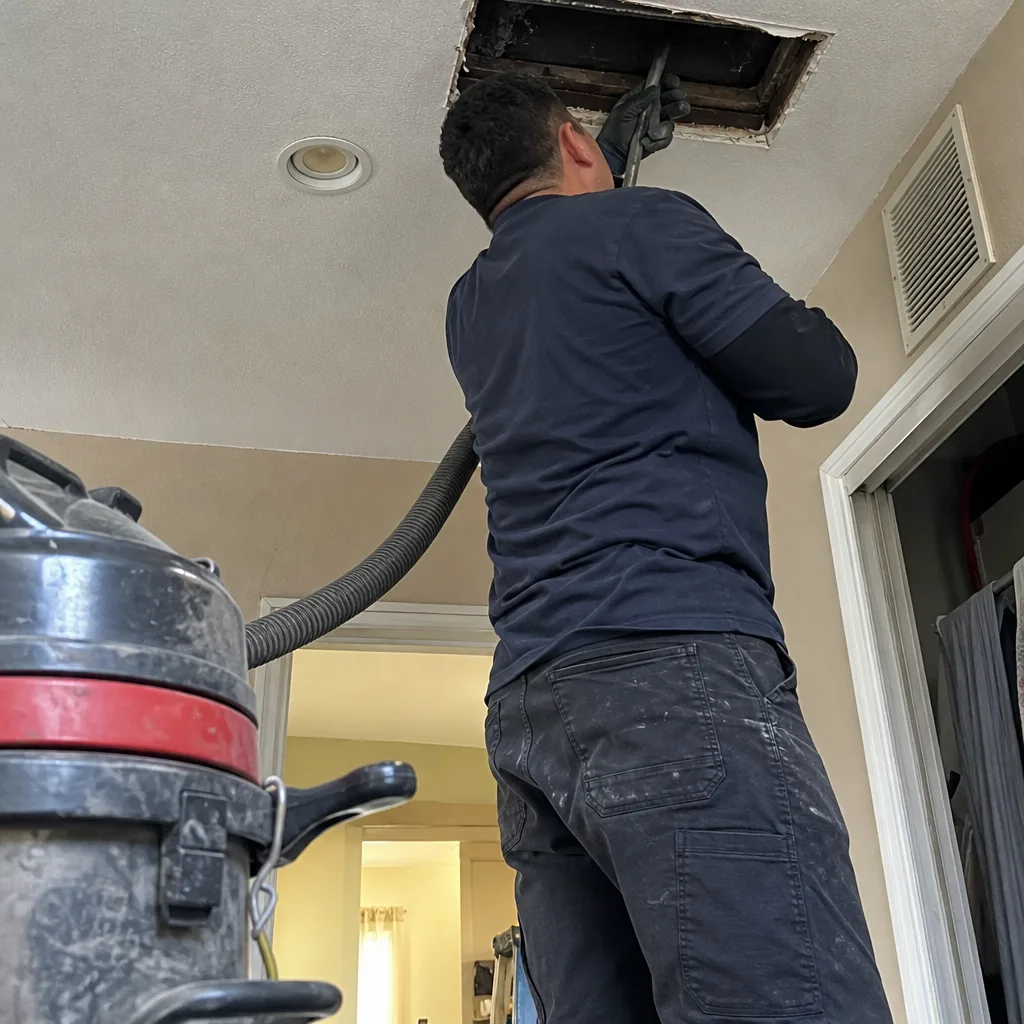 Before
 After
 Before
 After
 Before
 After
When to Call a Professional
You should call a professional when you find any of the following: a frost pattern on the coil (call an HVAC technician first), musty odor on startup that keeps returning, airflow asymmetry that affects one or two rooms, visible debris at the register throat, rust near the drain pan, or an attic run that’s sagging, torn, or disconnected. If you’ve recently bought a home or finished a renovation, a diagnostic inspection is a smart move even if you don’t see obvious signs – the system has been carrying a load you can’t see from the register. If you’re not sure, don’t keep guessing. Westminster Air Duct Cleaning Co offers free estimates in Westminster – call (855) 550-7935. We answer 24/7, and fast dispatch from 7am to 7pm, Sunday through Friday.
We also handle dryer vent cleaning as a safety-critical service alongside standard duct work, because a blocked dryer vent is one of the most common and most preventable hazards in a home.
Frequently Asked Questions
Air duct cleaning in Westminster is priced per system, and the written estimate sets the final price before any work starts. You’ll typically see a whole-system estimate based on the number of runs, the condition of the system, and whether repair, sealing, or sanitizing is part of the scope. We provide free estimates so you know the number before you commit. Call (855) 550-7935 for an exact quote – estimates are free.
Lower quotes often come from a scope that stops at the register and doesn’t address the cabinet, the leaks, or the source of the contamination. Sometimes what looks like a cheap cleaning is a vacuum pass with equipment that can’t agitate or trap the material it’s supposed to lift. The honest comparison is scope against scope, not price against price. Call (855) 550-7935 and we’ll walk you through what should be in a quote for your specific system – estimates are free.
The best evidence is before-and-after photos of your own ducts, taken during the job. This is why we photograph the system on every visit. It’s also why we can tell you what the technician found – not just that the job was completed. If a company can’t show you photos of your own system, ask why. Call (855) 550-7935 to get a free estimate for your Westminster home.
There’s no universal schedule. Homes with pets, recent renovation, allergy sufferers, young children, or heavy local dust loads need it more frequently; well-performing systems in low-contamination homes can go longer. The warning signs in this guide are a better guide than a calendar – when the system is signaling, act on the signal. Call (855) 550-7935 for a free estimate on your Westminster property.
We clean the entire air pathway, from the HVAC cabinet to the vent grille. That includes supply and return ducts, the cabinet and its surrounding connections, and – where it’s part of the plan – the blower and coil surface. A one-service cleaner typically stops at the ducts. Call (855) 550-7935 for a free estimate that includes a diagnosis of the full system.
We answer 24/7. A call outside dispatch hours is booked into the next opening, Sunday through Friday, 7am to 7pm. If your system is running and you’re just gathering information, the call will still reach us – call (855) 550-7935.
Cleaning the system can reduce the particulate load circulating through your home, which many allergy-sensitive households notice – particularly when the cleaning is paired with the right filtration afterward. It’s not a cure-all on its own; sealing leaks and upgrading filtration often do as much for a symptomatic room as the cleaning itself. Call (855) 550-7935 for a free estimate tailored to your situation.
We handle dryer vent cleaning as its own service, and it’s worth doing on its own schedule because lint build-up is a genuine fire-related concern. That said, many Westminster homes book it together with duct work because the timing overlaps. Call (855) 550-7935 and we’ll quote the scope you need – estimates are free.
The Bottom Line
The warning signs that matter most arrive before the dust does: uneven airflow between rooms, a smell that appears only on first startup, and allergy symptoms clustering in one room. Add the visual checks at the cabinet and in the attic, and you’ll have a better picture of your system than most homeowners. The four zones – cabinet, trunk, branch, and register – tell you how far the problem has traveled. When any of them signal, a diagnostic and cleaning visit is the sensible next step, and the full-system approach – clean, repair and seal, then assess filtration – is what makes the result hold. For a full service overview, visit our HVAC cleaning page. Call (855) 550-7935 to schedule a free estimate in Westminster today.
Written by the team at Westminster Air Duct Cleaning Co.