
Last updated November 25, 2026
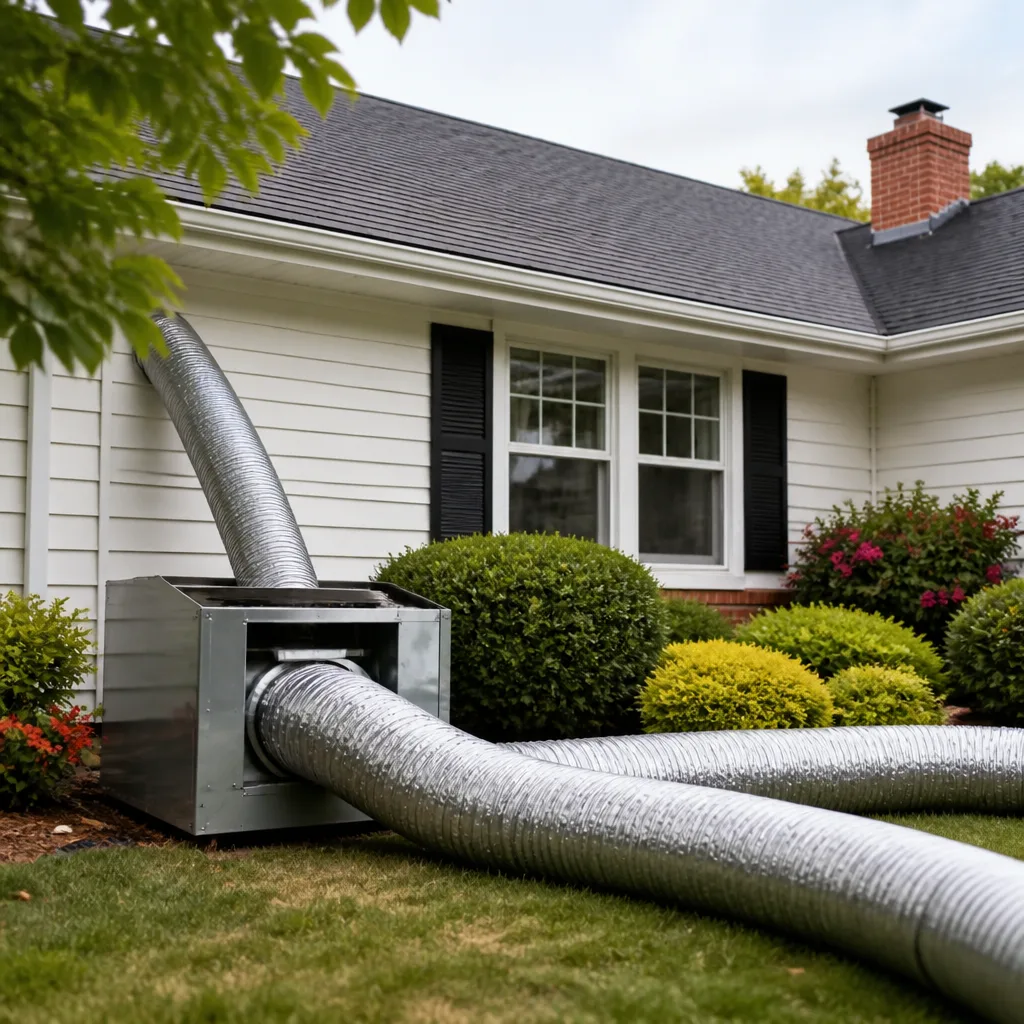 Whole-home duct cleaning
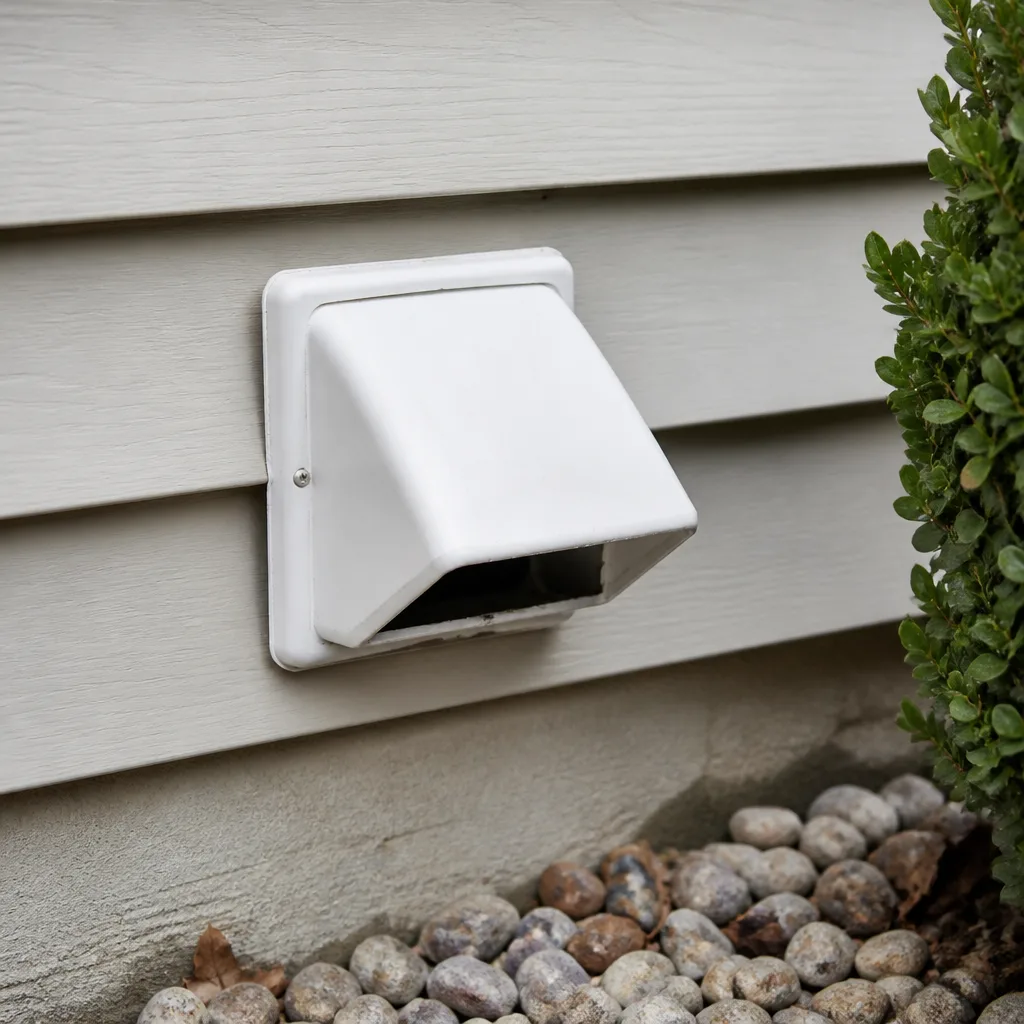 Dryer vent cleaning
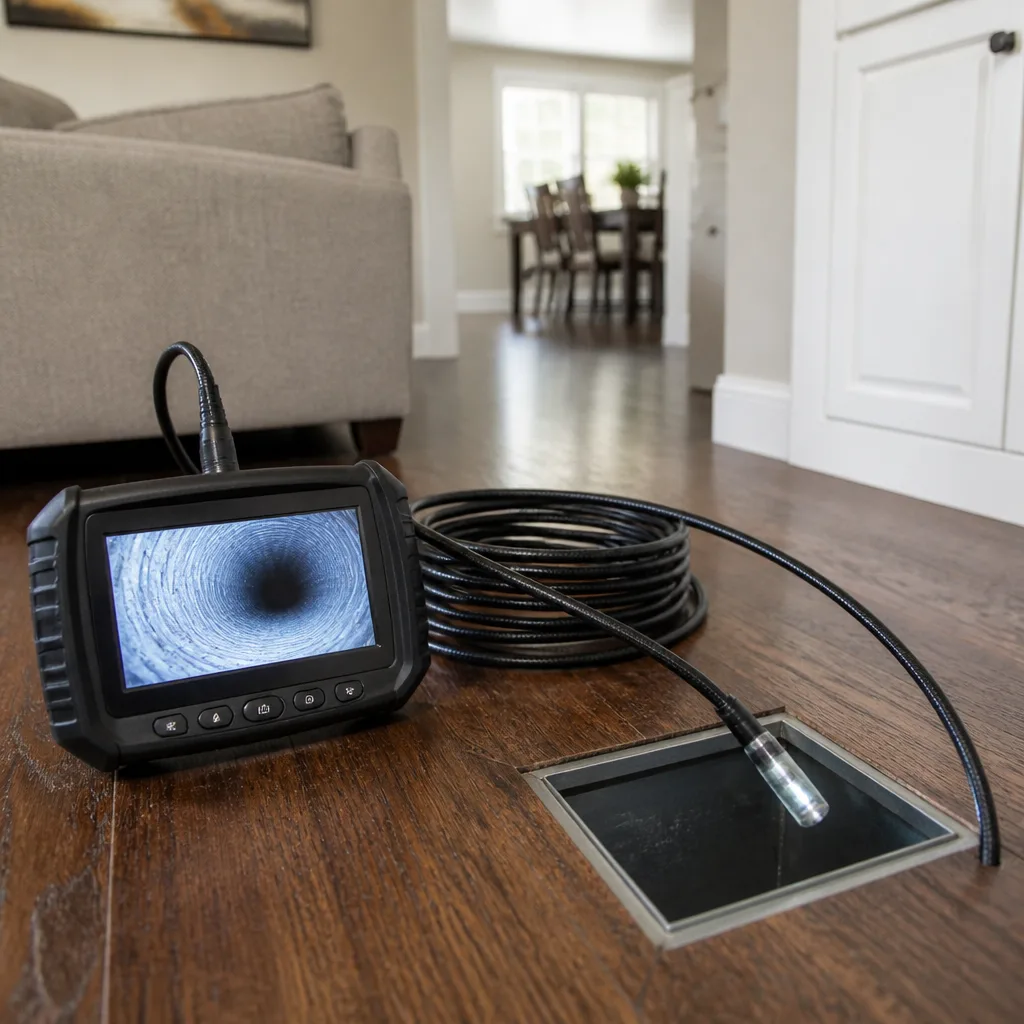 Camera inspection
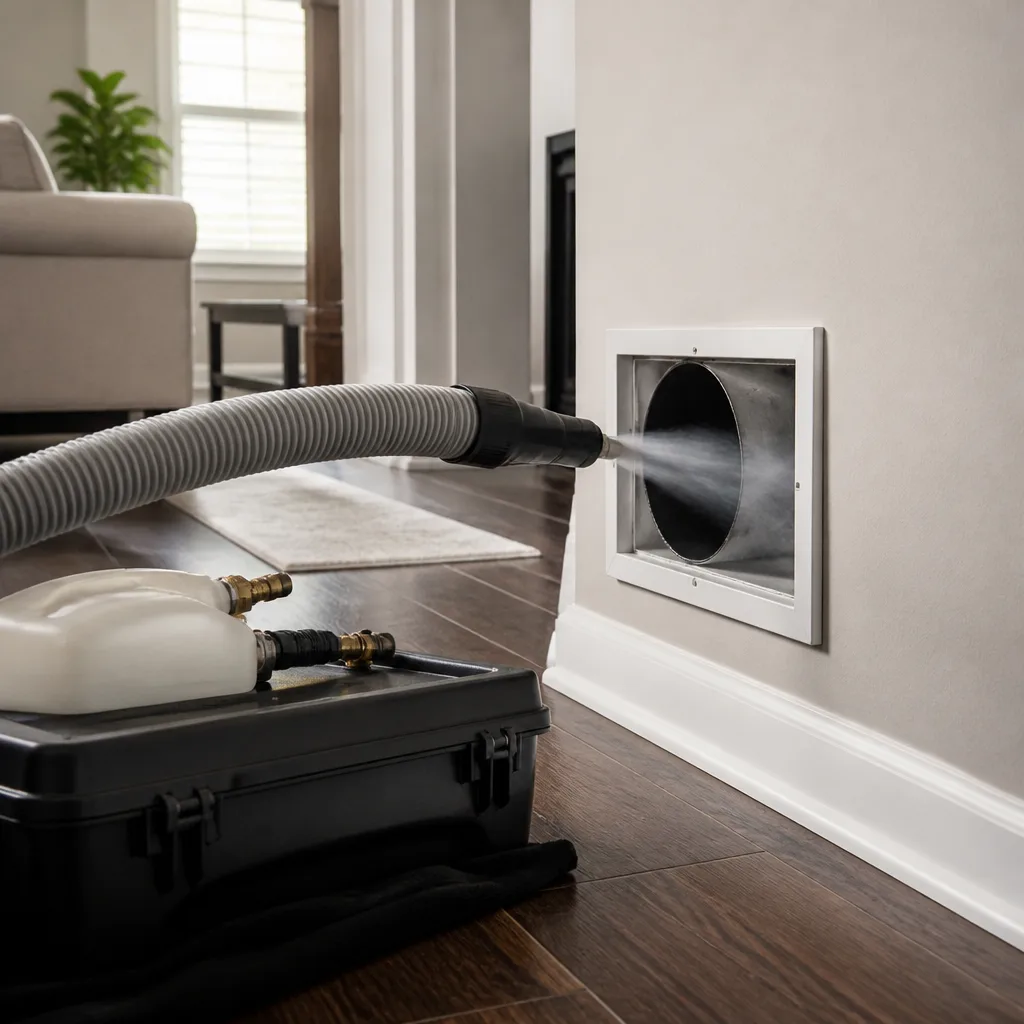 Sanitizing & deodorizing
Whole-system duct and dryer vent check with before-and-after photos - you see exactly what came out of your vents
That "$99 whole-house special" is a bait ad - the real number appears once they are in your hallway, or the "clean" is a shop-vac at the register. We photograph the inside of your ducts before and after instead.
Air Duct Cleaning Troubleshooting in Westminster: Common Problems and How to Fix Them
Most people who call us about a duct problem have already diagnosed it themselves, and they’re usually wrong. A musty smell after a cleaning often has nothing to do with the ducts. Weak airflow in one bedroom is frequently a damper or a crushed flex run, not a duct full of dust. The trick is matching the symptom to the actual failure point before anyone opens a panel or quotes a repair. That’s what this guide does. By the end you’ll know which duct issues cause which symptoms, how to separate a duct problem from an HVAC unit problem, and the exact questions that separate a real diagnosis from a sales pitch. We work across Westminster and see the same handful of misreads again and again.
Quick Answer
Air duct problems in Westminster usually come down to one of five root causes: accumulated debris, disconnected or crushed duct runs, leaking joints and seams, a dirty evaporator coil or drain pan, or a failing blower. Each one produces a distinct symptom – weak airflow, odor, excess dust, or noise. Troubleshooting means matching the symptom to the source before cleaning or repair, because cleaning the ducts when the coil is the problem wastes money. A technician should inspect the full air pathway, confirm the failure point, and explain it to you before quoting work.
Styles & brands we work with
- Whole-home duct cleaning
- Dryer vent cleaning
- Camera inspection
- Sanitizing & deodorizing
Table of Contents
- How do I match my symptom to the right duct problem?
- How can I tell a duct problem from an HVAC unit problem?
- What can a look at the vent grille actually tell you?
- Why do new smells or more dust show up after a cleaning?
- What causes weak airflow and uneven room temperatures?
- What causes a musty smell that comes and goes with the system?
- What causes rattling, whistling, or booming in the ducts?
- What should I ask a technician to confirm the right diagnosis?
How do I match my symptom to the right duct problem?
Every duct symptom has a short list of likely sources, and a good technician narrows it down by walking the system from the HVAC cabinet to the vent grilles. Here’s the map we use on calls in Westminster.
- Weak airflow to one or two rooms: a closed or failed damper, a crushed flex run, a disconnected boot at the register, or a run that was never sized correctly. Sometimes it’s a clogged filter or a blower that’s slowing down.
- Weak airflow everywhere: a dirty blower wheel, a filter that hasn’t been changed, a return path that’s undersized, or a major leak upstream near the air handler.
- Musty or “dirty sock” odor: microbial growth on the evaporator coil, a standing drain pan, or damp insulation inside the duct. The ducts are the carrier, not always the source.
- Excess dust settling on surfaces: leaking return ducts pulling attic or wall-cavity air, unsealed joints, or gaps at the register boots.
- Rattling or booming: loose duct hangers, undersized flex duct that’s “oil-canning” when the blower ramps, or a return grille that’s too small for the airflow.
- Whistling at a register: high static pressure, a partially blocked grille, or a duct that’s too small for the room’s demand.
The important point is that the symptom narrows the field, but doesn’t identify the source. Two rooms with weak airflow can have completely different causes, and the fix for one won’t help the other. In our experience the most common mistake is cleaning aggressively to chase a symptom that a joint inspection would have explained in ten minutes. Westminster homes built in the 1970s and 1980s still carry a lot of original flex duct, and those runs fail at the connections long before the duct itself fills up with debris.
How can I tell a duct problem from an HVAC unit problem?
Start by timing the symptom. Duct problems tend to be steady – the same rooms, the same smell, the same noise, every cycle. HVAC unit problems tend to follow the equipment’s own behavior – the noise only when the compressor kicks on, the odor only at startup, the temperature swings that track the thermostat. That single test separates most cases before anyone touches a tool.
- Check the filter first. A clogged filter starves the whole system and mimics a duct restriction. Pull it, hold it to a light. If you can’t see through it, replace it and re-test before assuming anything else.
- Listen at the air handler. If the blower sounds strained when you stand next to the unit but the supply registers feel weak, you have a restriction or a failing blower, not a dust problem.
- Feel the registers at the start of a cycle versus ten minutes in. If airflow drops off as the system runs, suspect an iced evaporator coil – an HVAC problem, not a duct one.
- Check whether the temperature difference across the supply and return is reasonable. A technician will measure this with a probe. Big gaps or none at all point to equipment or refrigerant issues.
- Look for water. Moisture at the air handler, rust on the cabinet, or a wet spot near the drain line points straight at the coil and pan – and that changes the diagnosis.
If the filter is clean, the coil is dry, and the blower sounds normal, duct problems are the better bet. If any of the five checks points at the equipment, the ducts are still worth checking, but the primary fix is on the HVAC side. That’s the fork in the road, and it’s why a technician who wants to clean first and diagnose second is a red flag. In Westminster, coastal humidity pushes coil and drain problems higher up the list than dust itself, especially in neighborhoods close to the beach.
What can a look at the vent grille actually tell you?
A look at the register grille tells you something, but less than most people think. You can confirm whether the grille is blocked, whether the boot is separated from the drywall, and whether dust is actively collecting on the louver face. You cannot tell from the grille whether the run behind the wall has a collapsed section, a disconnected joint, or microbial growth inside the insulation. That requires a view from inside the duct.
- You can see: a dirty grille face (dust sticking to the louvers), a gap between the metal boot and the wall or ceiling, a loose or missing damper handle, streaks of dust on the ceiling around the register, and whether air is flowing at all.
- You can’t see: the condition of the duct run behind the boot, joint separation deeper in the run, crushed flex behind a wall, moisture inside the duct, or anything happening at the air handler.
- You shouldn’t rely on: a camera phone poked into the register. It gives a misleading snapshot – a clean first two feet tells you nothing about the next fifteen.
Professional tools matter here. We use Westminster Air Duct Cleaning Co equipment built for the job – Rotobrush rotary brush systems and Nikro HEPA-rated vacuum equipment – which lets us both see and clean the full run from the inside. For homes with post-construction debris, heavy contamination, or a remediation-level concern, we bring in Abatement Technologies air filtration units so the dust we loosen doesn’t end up in your living space. That’s not a sales flourish; it’s the difference between a visual check and a real inspection. When someone shows up with a shop-vac and a flashlight, they’re guessing about the source, and you’ll end up paying twice.
Why do new smells or more dust show up after a cleaning?
Post-cleaning symptoms are normal for a short window and a red flag after it. In the first day or two, a faint musty or metallic smell and a little extra dust at the registers usually mean loosened debris is still working its way out of the system. If the smell is still there a week later, or the dust is coming back stronger than before, the cleaning missed the source.
Here’s the list of likely causes, in the order we check them:
- The evaporator coil or drain pan wasn’t cleaned. This is the most common miss. If the technician cleaned ducts but not the wet side of the coil, you cleaned the carrier and left the source. The musty smell returns within a few days.
- The blower wheel wasn’t cleaned. A caked blower wheel throws dust back through the supply every cycle. Cleaning the ducts without clearing the blower defeats the whole job.
- The ducts weren’t sealed after cleaning. Unsealed joints re-entrain attic or cavity air within a week, and the dust comes back to the same registers. That’s why we treat air duct cleaning and sealing as one job rather than two.
- The sanitizing step was skipped. If the ducts held microbial growth, cleaning alone doesn’t knock it down. A Guardsman-grade sanitizing treatment is what closes that gap, and it’s part of our air quality service for a reason.
- Construction debris or filter bypass. Post-renovation dust often comes through a filter slot that wasn’t sealed. Cleaning the ducts while the bypass stays open just moves the problem.
- Air filtration wasn’t upgraded after the cleaning. Some homes need more than high-MERV filtration. Honeywell and Aprilaire filtration and humidity control products, which we install, give the system a fighting chance between cleanings.
If you’re seeing one of these symptoms right now, call us before you schedule a second cleaning. Cleaning twice doesn’t fix a coil problem. Call (855) 550-7935. We answer 24/7. Fast dispatch from 7am to 7pm, Sunday through Friday.
What causes weak airflow and uneven room temperatures?
Weak airflow in one room is almost never a duct-clog problem. It’s almost always a path problem – the duct that should be delivering air to that room isn’t delivering it, either because it’s blocked, disconnected, crushed, or dampered down. Weak airflow in the whole house is a different story and points upstream at the air handler, filter, or return path.
One room or one zone
- Damper closed or stuck. Sometimes from a previous homeowner, sometimes from a failed actuator.
- Flex duct crushed behind drywall or kinked at a turn.
- Boot separated from the ceiling or wall, dumping air into the cavity.
- Register grille blocked by furniture, a rug, or a wall.
- Duct run badly sized or run too far from the trunk.
Whole house
- Filter clogged, or wrong filter for the system.
- Return duct undersized or disconnected at the air handler.
- Blower wheel dirty or blower motor failing.
- Major return-side leak pulling in attic or wall-cavity air.
- Evaporator coil iced over, restricting flow.
The useful thing about that split is that you can act on it. If it’s one room, ask the technician to trace the run from the register to the trunk before agreeing to any cleaning. If it’s the whole house, ask for static pressure and a blower inspection before agreeing to any cleaning. Both questions are reasonable and both keep you from paying for the wrong fix. Westminster has plenty of homes where the ductwork has been patched or extended by a previous owner, and those patch jobs are where uneven temperatures usually start.
What causes a musty smell that comes and goes with the system?
A musty smell that ramps up when the system runs and fades when it stops is a moisture problem, nine times out of ten. That means it’s coming from somewhere wet – the evaporator coil, the drain pan, damp duct insulation, or a supply run that passes through a humid crawl or attic. Ducts carry the smell. They’re rarely where it starts.
Here’s the order we check the source:
- The drain pan. Look for standing water or a slime layer. If the pan doesn’t drain, the coil sits in moisture and the whole system smells.
- The evaporator coil face. A coil with visible growth needs cleaning, not just duct cleaning. This is often the miss when a homeowner calls about a smell right after a duct cleaning.
- Duct insulation. Damp insulation inside the duct is a duct problem – the run typically needs to be replaced, not cleaned.
- Bathroom or kitchen exhaust backdrafting. Sometimes the “duct smell” is exhaust coming back down the wrong path.
- The filter. A filter left in too long becomes a growth site on its own.
Where we can, we check the coil and pan on every visit so the source gets named before we quote anything. If the source turns out to be the coil or a drain issue, the honest fix is on the HVAC side, and that’s what you should be told. Cleaning the ducts on top of an active moisture problem just slows the return of the smell. If the growth has reached the duct lining, a Guardsman-grade sanitizing treatment is part of what we do, but the moisture source has to be corrected first or it’ll come back. In Westminster, the pattern we see most often is a slow drain line and a coil that’s been damp for a season. It shows up as a smell at the first warm week of the year.
What causes rattling, whistling, or booming in the ducts?
Duct noise has one of two causes: the duct is mechanically loose, or the air speed is wrong. Loose duct hangers and unsealed seams rattle. Undersized duct runs and high static pressure whistle or boom. Knowing which one you’re hearing tells you whether the fix is a tightening job or a redesign.
- Rattling: loose hangers, straps, or panels at the air handler. Sometimes a screw backed out and dropped into the blower housing.
- Whistling: high static pressure, a partially closed damper, or a register too small for the airflow it’s receiving.
- Booming or oil-canning: flat metal duct that flexes when the blower ramps, or an undersized return that’s pulling air hard enough to pulse the duct walls.
- Humming at one register: a loose boot or a flex duct that’s vibrating against a stud.
Ignore the noise long enough and you get a bigger problem. A rattling seam opens and starts leaking air. High static pressure pushes the blower motor harder and shortens its life. Neither fix is expensive if it’s caught early, and both get worse the longer they run. If the noise only happens at startup, describe that on the call – the technician will want to hear it in action. If it’s constant, note which rooms are loudest. That detail alone often points to the run that needs attention. HVAC cleaning is often part of the answer, because a dirty blower wheel is a common cause of both noise and weak airflow.
What should I ask a technician to confirm the right diagnosis?
The right questions do more for you than any inspection report. If a technician can answer all six of these clearly, they’ve identified the source. If any of them are vague or skipped, you’re about to pay for an assumption.
- “What did you check besides the ducts?” The answer should include the filter, the blower, the evaporator coil, and the drain pan. If it doesn’t, they haven’t diagnosed the whole system.
- “What’s the actual failure point – and can you show me?” A technician with a real diagnosis can point at the piece that’s failing, not just describe the symptom back to you.
- “Is this a duct problem or an HVAC problem?” The answer should fork, because most symptoms do. A technician who says “both” to everything isn’t diagnosing.
- “Are you cleaning, sealing, or repairing?” These are different jobs. Cleaning alone doesn’t stop a leaking joint, and sealing without cleaning traps the debris in.
- “What equipment are you bringing?” For a real cleaning that should be professional-grade – Rotobrush and Nikro or comparable – not a shop-vac. For heavy debris, ask about a filtration unit like an Abatement Technologies setup.
- “Can you show me before-and-after photos of my own ducts?” Any professional can. If they can’t, ask why not before the work starts.
The point of the questions isn’t to catch a bad technician – it’s to get the right answer on paper. When a technician narrows a symptom to a source and quotes the repair against that source, you know what you’re paying for. When the quote covers “a full cleaning” without naming a failure point, it’s usually a guess. Westminster homeowners ask sharper questions than most, and in our experience the good technicians give better answers because of it. You can also request a dryer vent cleaning on the same visit if the vent has been ignored, since that’s a safety matter rather than a comfort one.
Common Mistakes to Avoid
- Assuming the ducts are the source of a smell. A smell that tracks the system is usually wet – a coil or drain pan – and cleaning the ducts on top of a moisture problem just slows the return. Check the coil and pan first.
- Buying a cleaning to fix uneven temperatures. One cold room usually means a damper, a crushed run, or a detached boot. Those are repair jobs, not cleaning jobs, and cleaning won’t move the air.
- Skipping the filter change before the inspection. A clogged filter mimics a duct restriction. Change it, wait a cycle, then decide.
- Accepting a per-vent price. Per-vent pricing rewards the company for stopping early. Ask for a flat price for the whole system agreed before work starts.
- Cleaning without sealing leaking joints. Unsealed ducts re-entrain attic or wall-cavity air within a few days. Cleaning without sealing is half a job.
- Skipping the dryer vent because the ducts look fine. Dryer vents clog on their own schedule and are a safety concern, not a comfort one. In Westminster’s tightly built homes with long vent runs, they’re worth checking every year or two.
- Trusting a camera phone shot of the first two feet of duct. A clean register doesn’t tell you what’s happening fifteen feet down the run.
See the difference
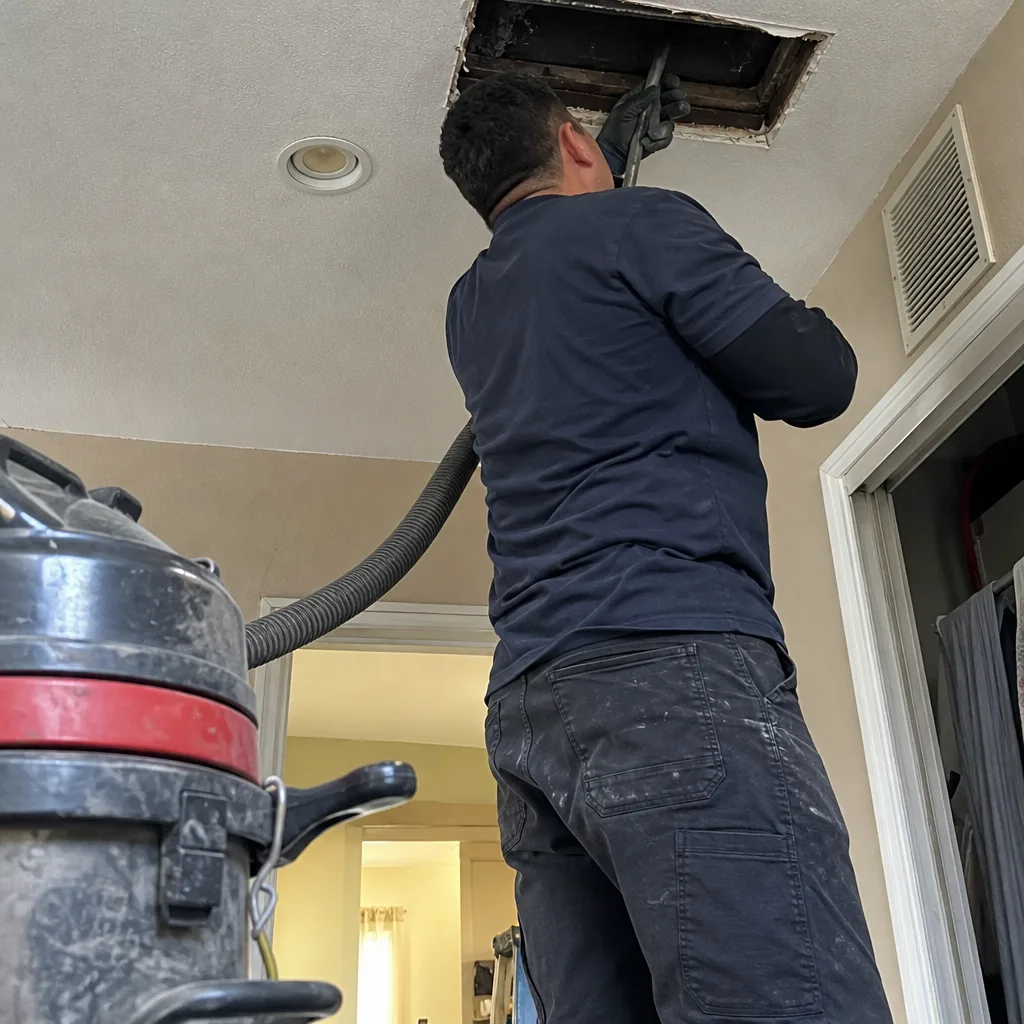 Before
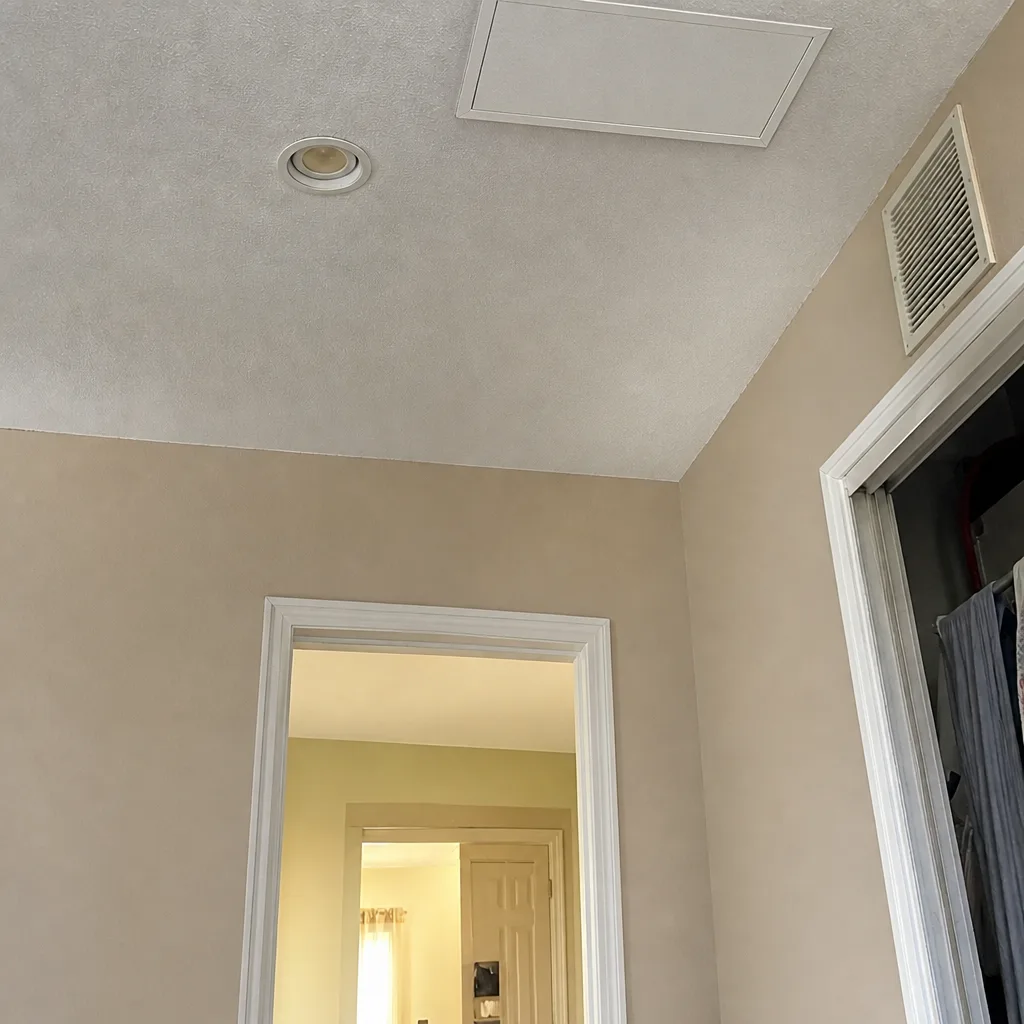 After
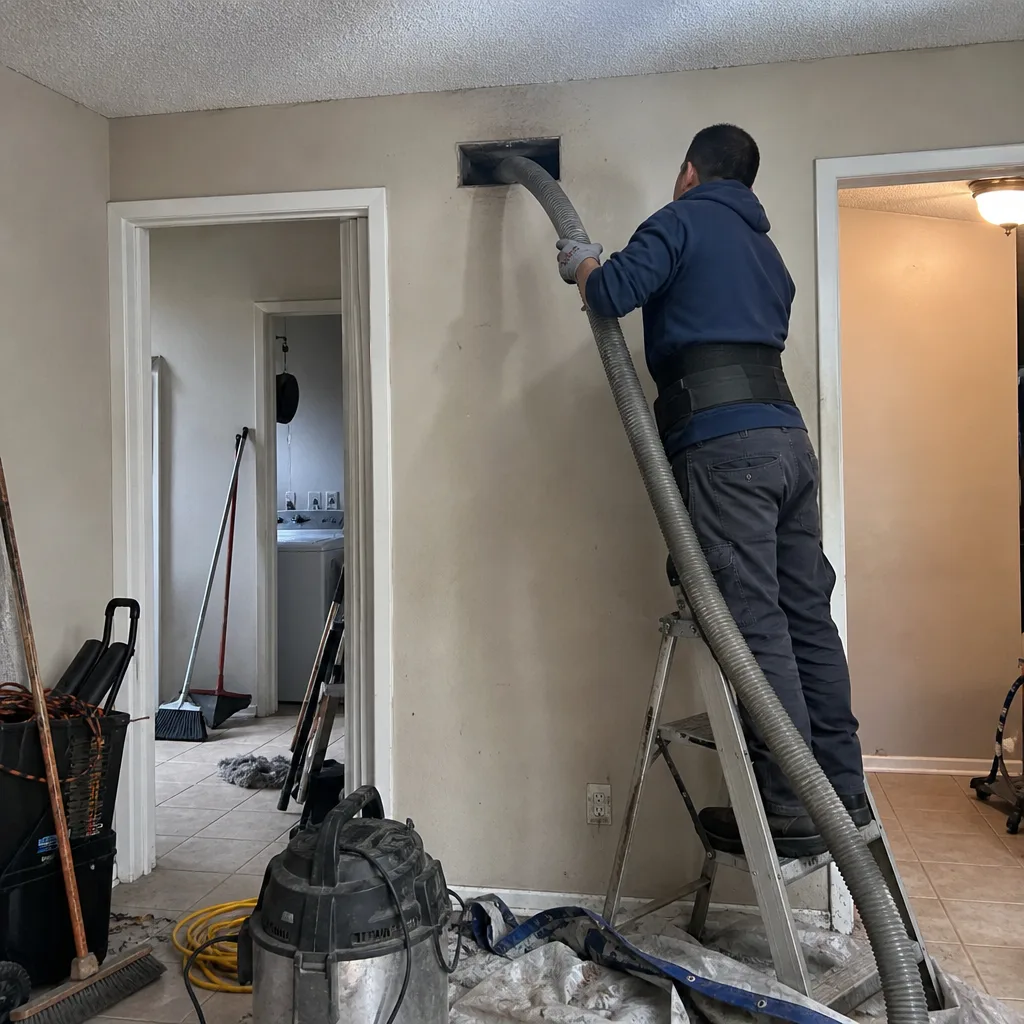 Before
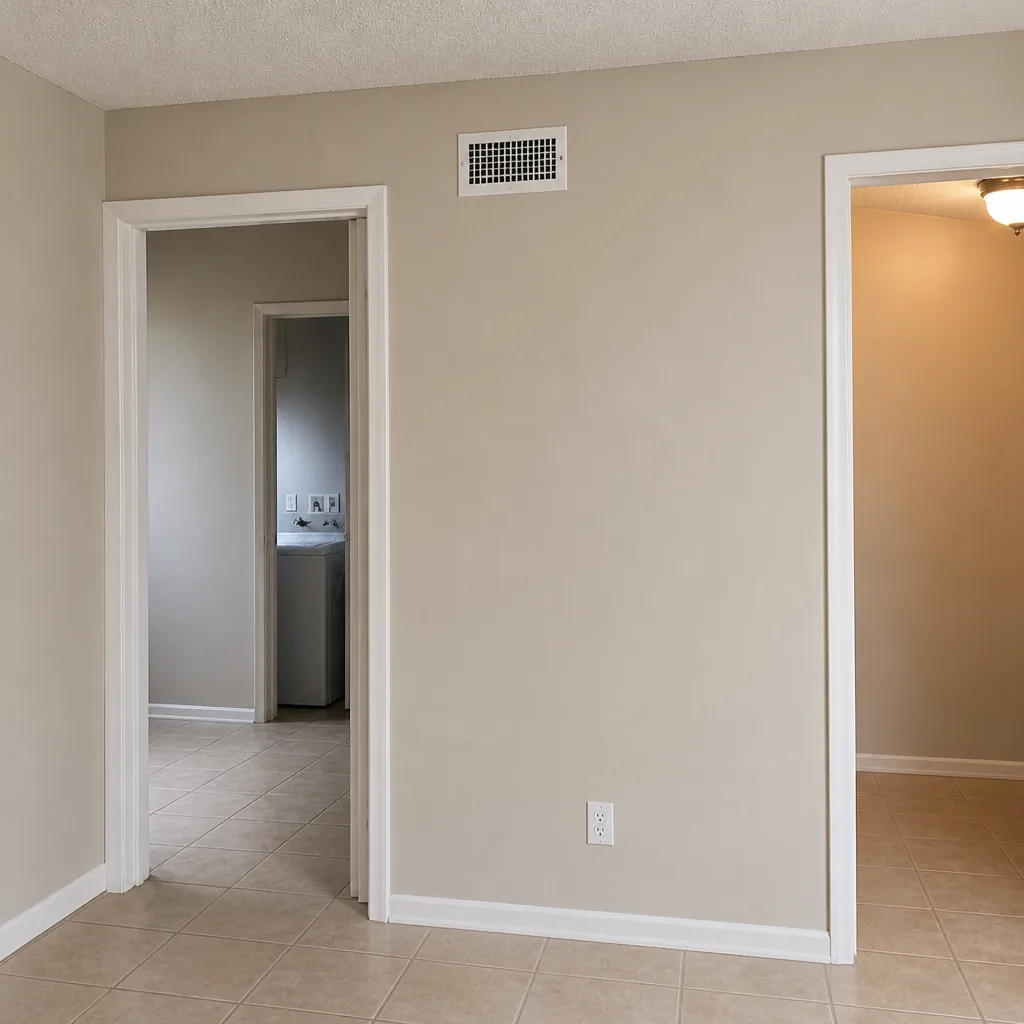 After
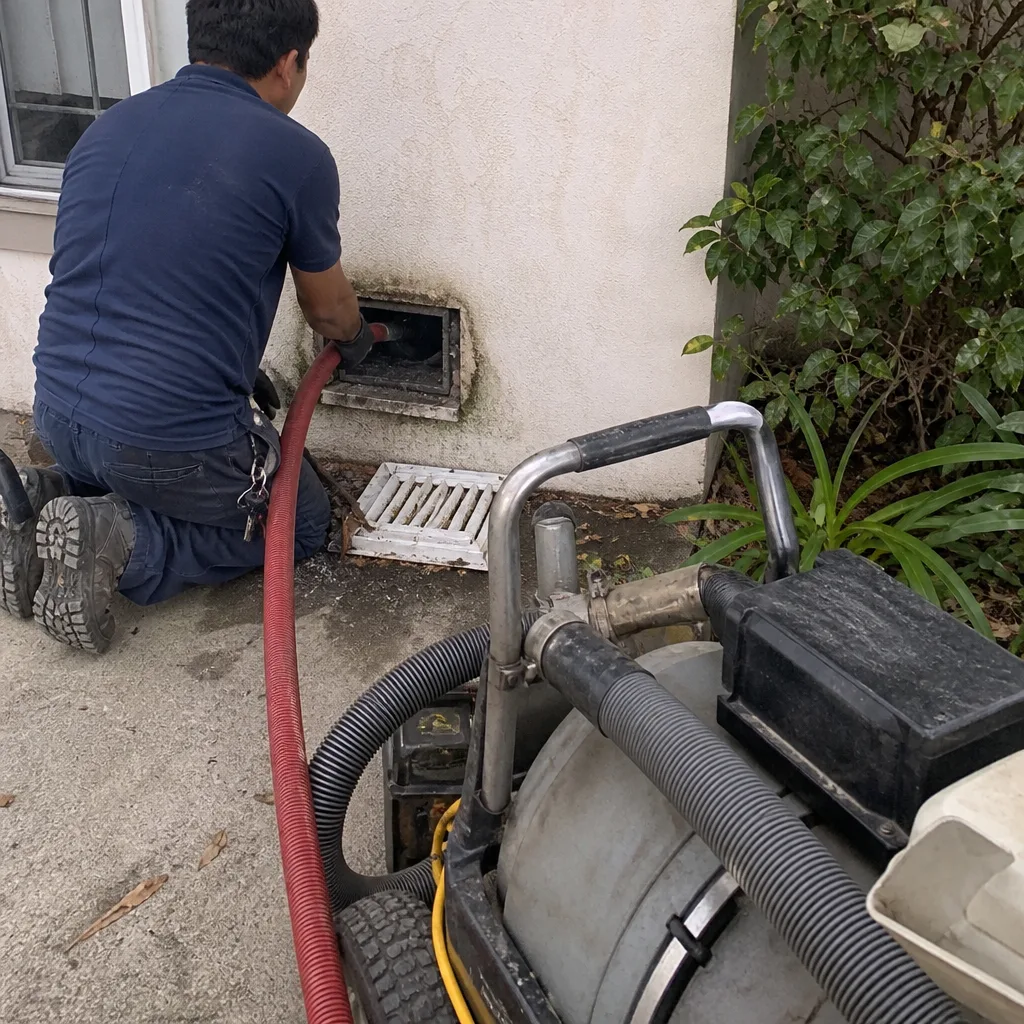 Before
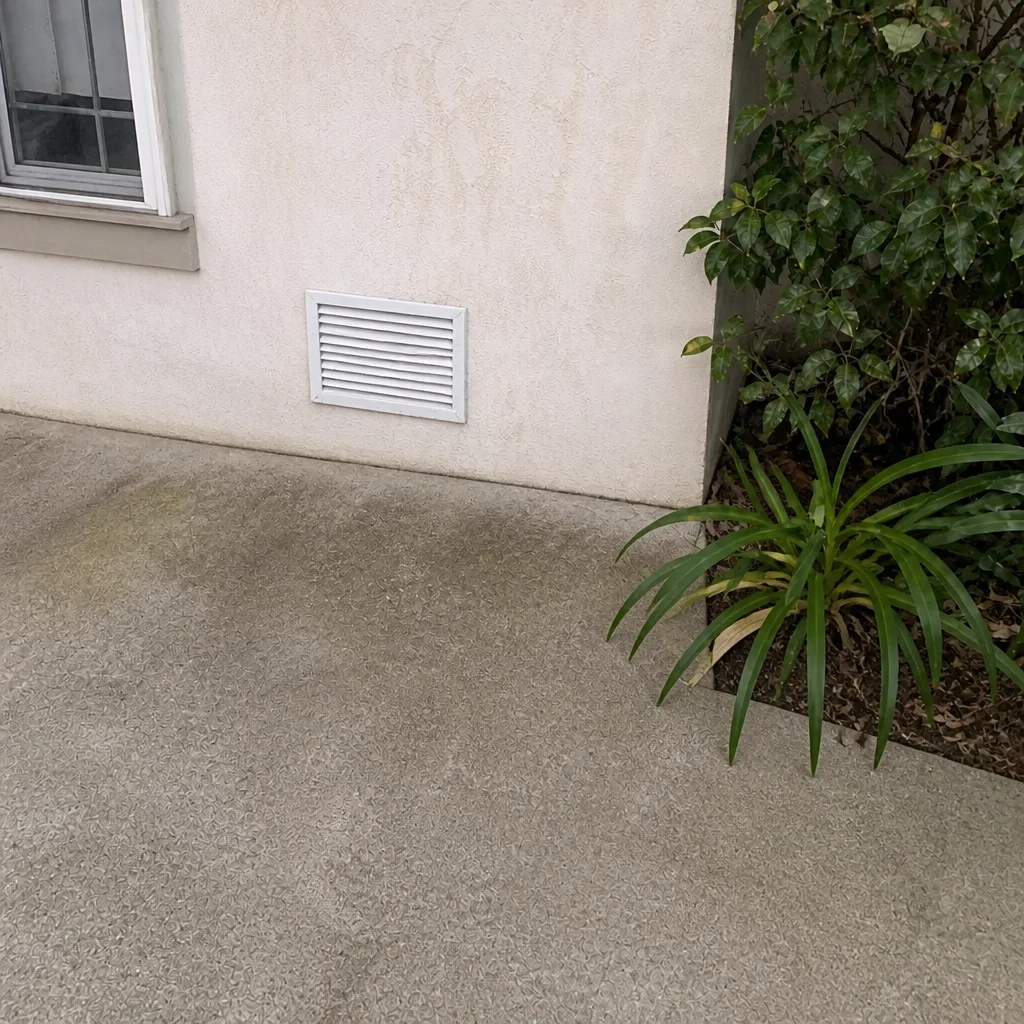 After
When to Call a Professional
Call a professional if you’re seeing any of these: a musty smell that comes and goes with the system, weak airflow in one room that didn’t used to be weak, visible dust settling on surfaces days after cleaning, rattling or whistling that’s getting louder, or a dryer that takes two cycles to dry a load. Call sooner if you’ve just finished a renovation, moved into a home whose duct history you don’t know, or have a household member with asthma or allergies who’s reacting to the air. Those are exactly the cases where the wrong diagnosis costs the most money.
We’re a Westminster air duct specialist that treats the full pathway – supply and return ducts, the HVAC cabinet, the coil, the blower, the dryer vent, and the sanitizing step – as one system. Duct cleaning without sealing leaks is half a job, and we do both. Westminster Air Duct Cleaning Co offers free estimates in Westminster – call (855) 550-7935. We answer 24/7. Fast dispatch from 7am to 7pm, Sunday through Friday.
Frequently Asked Questions
Air duct cleaning in Westminster is priced per job by the written estimate, not per vent, and the final price depends on system size, number of runs, and whether repair, sealing, or sanitizing is included. We give you one flat price for the whole system before any work starts, and that price is what you pay. Ask for the estimate in writing and for before-and-after photos of your own ducts. Call (855) 550-7935 for a free estimate – estimates are free.
Cheap quotes come from three places: skipping the coil and blower, cleaning only the registers and the first few feet of duct, and quoting a low teaser price that grows once the technician is on site. A real cleaning uses professional equipment like Rotobrush and Nikro systems and covers the full run from the HVAC cabinet to the vent grille. If a quote is a fraction of the others, ask what equipment and what steps are included before you agree. Call (855) 550-7935 to compare quotes on the same scope.
Before-and-after photos of your own ducts are the standard proof – any professional can provide them, and you should ask for them by name. A real job also includes cleaning of the blower and coil, not just the supply runs, and a walkthrough when the job is done. If the technician can’t show you the ducts they cleaned, the work wasn’t verified. Call (855) 550-7935 to schedule a visit with photo documentation.
Most homes need duct cleaning every few years, not every year, and some well-kept homes go longer. The scheduling triggers are more useful than a calendar: a renovation, a new pet, a move, visible dust at the registers, a musty smell, or a household member with allergies. After a renovation, clean before you seal and settle. In Westminster’s beach-adjacent humidity, coil condition often sets the schedule, not duct dust. Call (855) 550-7935 if you’re unsure – estimates are free.
Only if the ducts are the source, and often they aren’t. A musty smell that ramps up with the system usually comes from a wet evaporator coil or drain pan, and the correct fix is coil and drain service, not duct cleaning alone. When the ducts are the problem, cleaning plus sanitizing addresses it – and if the moisture source is still active, we tell you. Call (855) 550-7935 for a diagnosis before you commit to a cleaning.
Yes, in most cases, because unsealed joints re-entrain attic or cavity air within days of a cleaning and pull the dust back into your rooms. Cleaning without sealing is half a job. Duct repair and sealing are core services for us, not add-ons, and we’ll tell you at the estimate whether sealing is needed for your system. Call (855) 550-7935 to book an inspection that includes the sealing question.
The Bottom Line
Every duct symptom has a short list of real causes, and the right move is to narrow it down before anyone opens a panel. Weak airflow to one room is usually a path problem. A musty smell that tracks the system is usually a moisture problem on the coil or drain pan. Excess dust after a cleaning usually means a leak wasn’t sealed or a blower wasn’t cleaned. Noise usually means a loose hanger or high static pressure. Ask the six diagnostic questions, insist on a flat price per system agreed in writing, and ask for before-and-after photos of your own ducts. That’s what turns a guess into a fix – and it’s why Westminster homeowners who troubleshoot first spend less on the second visit than the first.
Contact
If you’re still not sure where your symptom is coming from, call Westminster Air Duct Cleaning Co at (855) 550-7935 for a free estimate. Our technicians have up to 11 years of experience diagnosing and cleaning the full air pathway, from the HVAC cabinet to the vent grille, using Rotobrush and Nikro equipment and, when the job calls for it, Abatement Technologies filtration. We answer 24/7. Fast dispatch from 7am to 7pm, Sunday through Friday.
Written by the team at Westminster Air Duct Cleaning Co.