
Last updated November 25, 2026
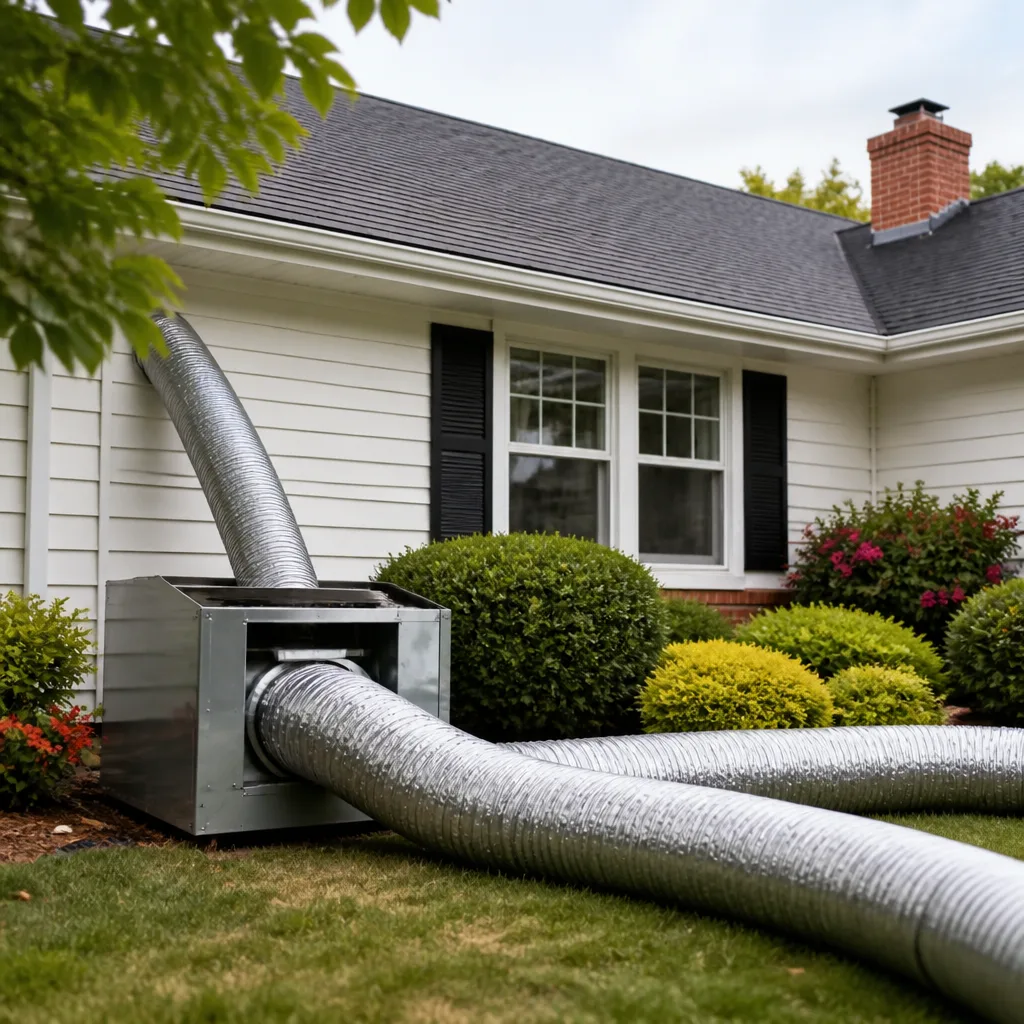 Whole-home duct cleaning
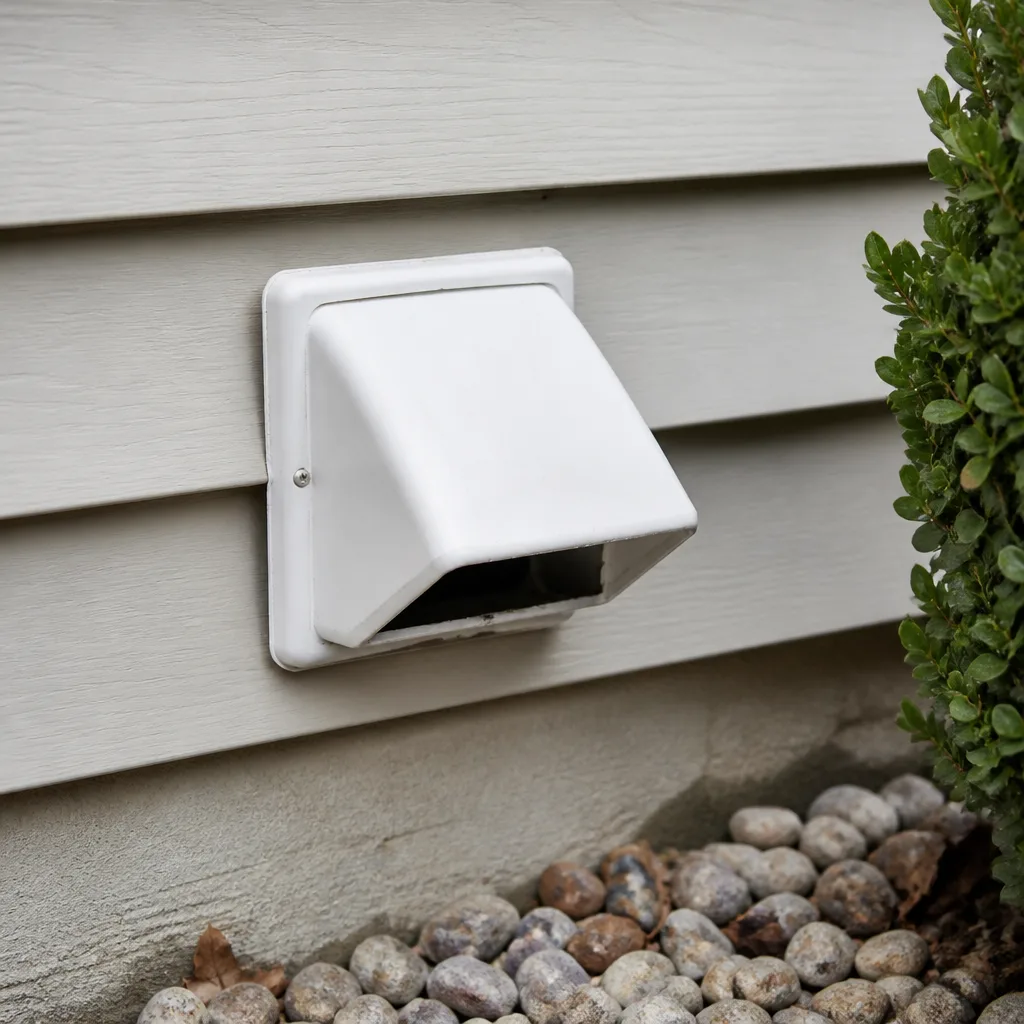 Dryer vent cleaning
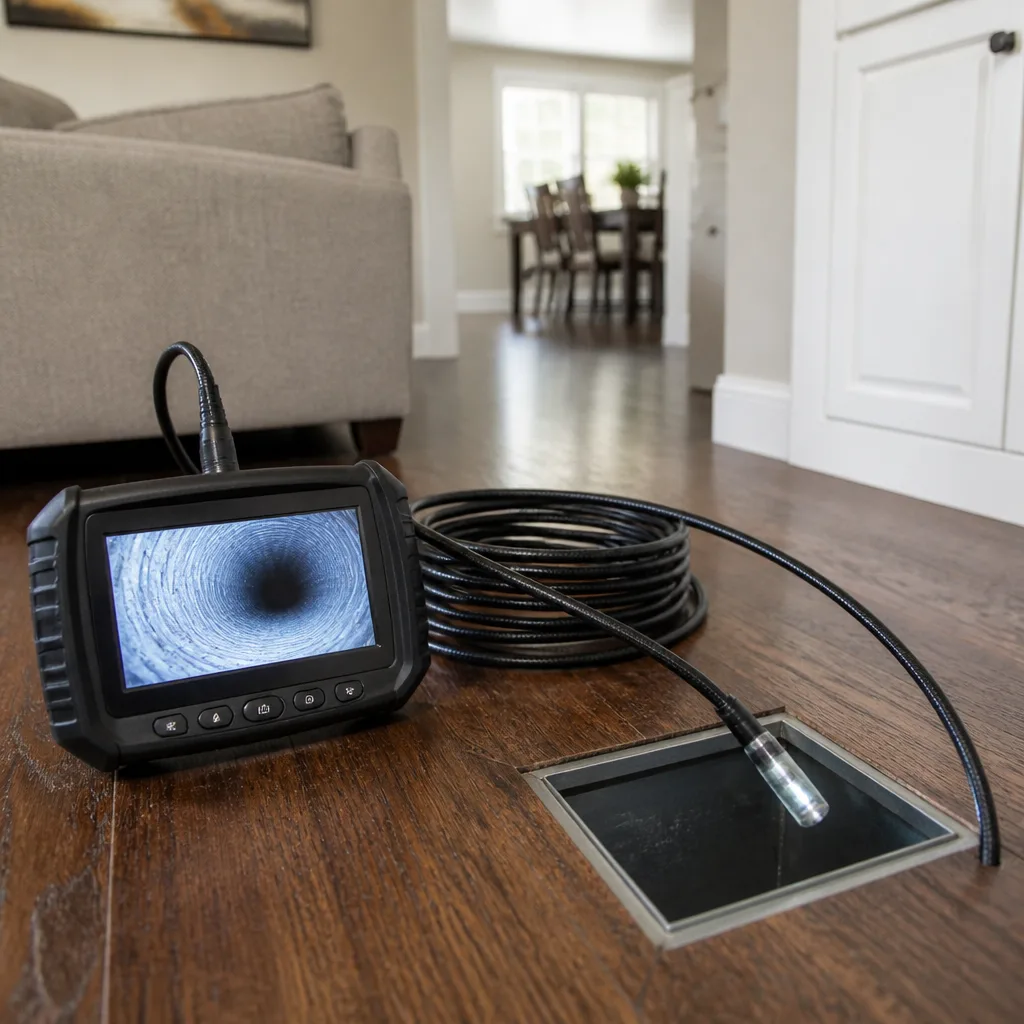 Camera inspection
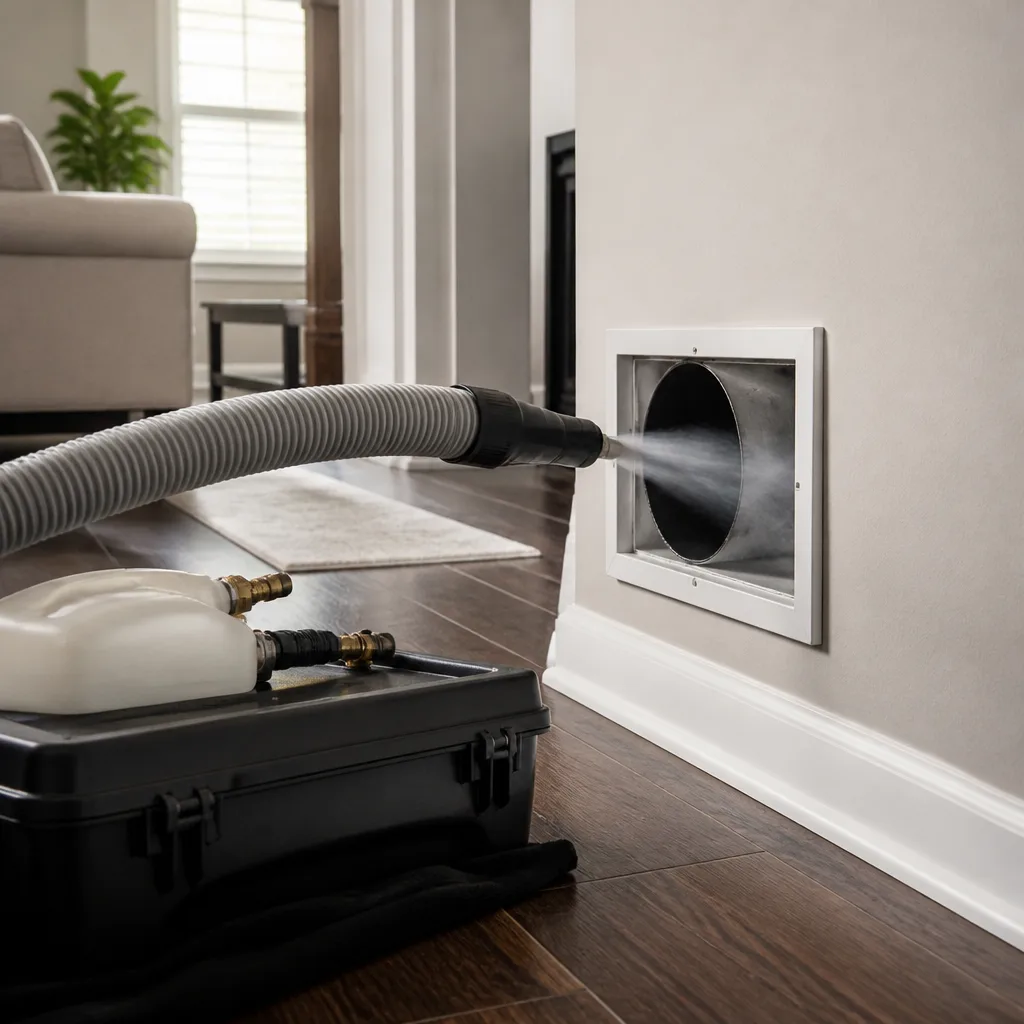 Sanitizing & deodorizing
Whole-system duct and dryer vent check with before-and-after photos - you see exactly what came out of your vents
That "$99 whole-house special" is a bait ad - the real number appears once they are in your hallway, or the "clean" is a shop-vac at the register. We photograph the inside of your ducts before and after instead.
Air Duct Cleaning Emergency Preparedness Guide for Westminster Homes
Most people think about their ducts only when something smells off or the vents look dusty. That’s the wrong trigger. The events that actually matter for a Westminster home’s air pathway are the ones homeowners plan for last: a smoke event, a roof leak that reaches the HVAC cabinet, a renovation that fills the return with drywall dust. After the November 2018 Woolsey Fire, indoor air quality in structures far outside the burn zone stayed compromised for weeks, because smoke particles had entered duct systems and nobody had addressed the air pathway. This guide covers the three emergency scenarios Westminster homes actually face, what to do in the first hours, how to document damage for insurance, and how emergency duct service differs from routine cleaning.
Quick Answer
For a Westminster home, emergency duct response means three things: shutting the system down during heavy smoke infiltration so you don’t distribute particles through the whole network, drying and inspecting duct insulation and mastic within 24 to 72 hours after any water intrusion, and documenting the air pathway with photos before any cleaning starts so an insurance claim has evidence. Routine air duct cleaning removes buildup on a schedule; emergency service addresses contamination that’s already inside the system and can’t wait.
Styles & brands we work with
- Whole-home duct cleaning
- Dryer vent cleaning
- Camera inspection
- Sanitizing & deodorizing
Table of Contents
- The Three Emergency Scenarios Westminster Homes Actually Face
- Smoke Infiltration: When to Run the System and When to Shut It Down
- Water Intrusion: What Happens to Ductwork in the First 24 to 72 Hours
- How to Document Damage Before Professional Service
- How Emergency Duct Service Differs From Routine Cleaning
- Post-Renovation and Post-Fire Debris in the Air Pathway
- A Preparedness Checklist for Westminster Homeowners
- The HVAC Cabinet, the Return, and Why the Whole Pathway Matters
The Three Emergency Scenarios Westminster Homes Actually Face
Westminster sits on the coastal plain of Orange County, which shapes the emergency list more than most homeowners expect. Winters here are mild, so the freeze-and-burst problems common in colder states aren’t the main risk. What you get instead is smoke pushed inland from wildfire events, rain-driven roof leaks during the wet season, and near-constant renovation activity in a city of older single-family homes and mid-century tract housing. Each one sends contamination into the duct system in a different way.
Here’s how the three break down:
- Wildfire smoke events. Smoke from fires burning elsewhere in Southern California travels on prevailing winds and settles into neighborhoods. Fine particulate matter enters through open windows, exterior doors, and any return-air path that isn’t sealed. The ducts then hold it, and every time the system runs, it redistributes.
- Water intrusion from roof or plumbing failures. A failed roof flashing, a supply line behind a wall, or an overflowing fixture above the ceiling can send water into the HVAC cabinet, the plenum, or insulated flex duct in the attic. Water damage to ducts is a different problem from water damage to drywall because the duct interior stays dark and humid.
- Post-fire and post-flood renovation debris. When a home gets repaired after smoke or water damage, the demolition and rebuild generate drywall dust, fiberglass particles, and construction debris that settle into open duct runs unless the system is sealed off during the work. This is one of the most common and least anticipated contamination events we see in Westminster.
The common thread: all three put contamination inside the air pathway, and all three have a time window. A duct system is not a passive tube. It’s the body of your HVAC, and what’s in it moves through every room the system serves. That’s why Westminster Air Duct Cleaning Co treats these as full-system events rather than isolated cleaning jobs. When we respond to an emergency call, we’re looking at the whole pathway, from the equipment cabinet to the vent grille, because that’s the only way to know where the contamination actually sits.
Smoke Infiltration: When to Run the System and When to Shut It Down
The most counterintuitive rule in smoke response: running your HVAC during a heavy smoke event can make things worse, not better. Here’s the logic. Your system pulls air from the return, filters it, and pushes it back out through supply vents across the house. If outdoor smoke is infiltrating through a leaky return or an open window, running the fan pulls that smoke into the air pathway and distributes it through every room. That’s fine if your filtration is up to the load. It’s a problem if it isn’t. So the decision depends on what’s filtering the air.
Use this as a decision framework, not a set of DIY instructions:
- If smoke is heavy and your system uses a standard 1-inch filter, shut the system down and close windows and exterior doors. A basic filter isn’t designed to capture fine smoke particulate, and running the fan will move contaminated air through the home.
- If you have higher-efficiency filtration in place (a media cabinet or a thicker filter framed appropriately for your system), running the fan on low with the system in recirculation mode can help, provided the filter is clean and correctly seated. This is where a product like an Aprilaire media filter or a Honeywell filtration setup earns its place. We work with both lines when a homeowner wants to go beyond the filter slot the builder left.
- Once the smoke event passes, don’t assume the ducts are clean. Smoke particles settle on duct walls, in the blower compartment, and on the evaporator coil. The system smells like a campfire weeks later for a reason. That residue needs mechanical agitation and extraction, not just a new filter.
- Book professional cleaning before the next smoke season, not after the next smoke event. The best time to address smoke residue is as soon as the outdoor air clears.
The reason this matters in Westminster specifically: the city and surrounding Orange County neighborhoods sit downwind of large inland fire zones. Smoke doesn’t need a fire in your neighborhood to reach your ducts. It only needs the wind. When it does, the fix is at the air pathway level. hvac cleaning is part of that, because a blower cabinet and coil caked with smoke residue will keep releasing odor long after the ducts themselves are clean.
Water Intrusion: What Happens to Ductwork in the First 24 to 72 Hours
Water damage to ductwork has a much shorter clock than most homeowners realize. The interior of a duct is dark, often insulated, and closed to airflow from outside. That combination is a growth environment. Within 24 to 72 hours of a water intrusion reaching the duct system, three things start to happen:
- Duct insulation absorbs water and stops insulating. Flex duct and the internal liner of sheet-metal duct both hold moisture. Once the insulation is saturated, its thermal performance drops and it becomes a reservoir that keeps the duct interior humid long after the drywall has dried.
- Mastic and sealant at the joints begin to fail. Mastic is water-soluble until it cures and it softens again when saturated. Joints that were sealed start to open, and the system begins leaking air where it shouldn’t.
- Mold colonization gets its foothold. Mold needs moisture, a food source (dust and organic debris inside the duct), and time. The duct interior supplies all three once water has reached it.
That’s why the response window matters more than most homeowners expect. The first 24 hours should be about stopping the water source and getting air moving through the affected area to begin drying. The next 48 to 72 hours are the window to get the ductwork professionally inspected and dried. Once mold is established on duct liner, you’re no longer looking at cleaning. You’re looking at whether the affected sections can be cleaned and treated or whether the liner has to be replaced.
Westminster’s older housing stock makes this more common than it sounds. Roof flashing on a home that’s seen several decades of sun exposure loosens, plumbing failures happen behind walls, and the first sign a homeowner gets is often a stain on the ceiling under which sits the attic air handler. We use Abatement Technologies filtration equipment on water-affected systems because the extraction stage needs to capture disturbed material during the cleaning, not just pull air. If you suspect water has reached your HVAC cabinet or attic ductwork, the right move is to call. Call (855) 550-7935. We answer 24/7. Fast dispatch from 7am to 7pm, Sunday through Friday.
How to Document Damage Before Professional Service
Insurance claims for HVAC-adjacent damage rise and fall on documentation. The problem is that the evidence disappears the moment cleaning starts, so the photos and notes have to happen first. Here’s the sequence we recommend to Westminster homeowners who’ve just been through a smoke, water, or renovation event:
- Photograph the source. The roof leak, the failed supply line, the burned area, or the renovation zone. Get wide shots and close shots, and include something for scale.
- Photograph the visible duct system. Supply and return grilles, the air handler, the plenum, any accessible attic or crawlspace duct runs. A phone camera with the flash on works; anything visible that shows contamination, staining, or soot is worth capturing.
- Write down dates and symptoms. When the event happened, when you first noticed a smell or a stain, and what the system was doing (running, off, weird noises, visible debris at the vents). A short timeline makes an adjuster’s job simple.
- Save the filter. Pull the current filter and put it in a sealed bag. It’s a physical sample of what the system was pulling, and it’s the single most useful piece of evidence for a contamination claim.
- Keep receipts for any immediate response. Dehumidifiers, temporary filtration, emergency roof tarping. Documented costs support the full claim.
- Don’t clean anything before the documentation is complete. This is the one most people get wrong. Once you’ve vacuumed the vent or wiped the grille, you’ve removed the evidence.
Before-and-after photos of your own ducts are also part of how you verify the work once service is complete. A professional cleaning should give you visual evidence of what the ducts looked like before and after, and a description of what was actually found. If a contractor can’t or won’t document the work, that’s a signal worth heeding.
How Emergency Duct Service Differs From Routine Cleaning
Emergency duct service looks different from routine cleaning in scope, protocol, and outcome. Routine cleaning removes accumulated dust and debris from a system that’s functioning normally. Emergency service addresses contamination that has already entered the system and is actively affecting the home. Here’s how the two compare:
| Factor | Routine cleaning | Emergency response |
|---|---|---|
| Scope | Supply and return ducts, registers, air handler | Full air pathway, plus contaminated insulation, coils, and blower cabinet |
| Equipment | Rotobrush and Nikro extraction | Rotobrush and Nikro plus Abatement Technologies negative-air filtration |
| Treatment | Mechanical removal | Mechanical removal, antimicrobial treatment (Guardsman-grade where appropriate), and sealant |
| Repair | Optional | Often required: mastic re-sealing, liner replacement, or full relining |
| Outcome check | Visible cleanliness and airflow | Verified contamination removal and documented air quality |
The repair side is where emergency work diverges most. Cleaning a water-damaged duct without replacing compromised insulation and re-sealing the joints just cleans around the problem. Duct repair and sealing is a core part of what we do, because the root cause of most of these emergencies is a pathway that was already leaking: a loose return, an unsealed joint, a disconnected run in the attic. Sealing closes the loop so the next event doesn’t have an open door to walk through.
Antimicrobial treatment protocols also come into play. On a post-fire or post-flood system, whole-system sanitizing uses products and application methods that a routine cleaning wouldn’t touch. We offer Guardsman-grade sanitizing treatments as part of the air quality and sanitizing line, and the decision to use them is made after inspection, not before.
Post-Renovation and Post-Fire Debris in the Air Pathway
Renovation debris is the most underrated duct emergency, and it’s a constant factor in Westminster neighborhoods where older homes get kitchen and bathroom remodels. It’s also the easiest to prevent. During demolition and rebuild, the return-air path is a giant suction inlet. Any drywall dust, fiberglass, or construction debris near the return ends up inside the system, and from there it gets pushed into every room the system serves.
The prevention is sealer and filters, not more cleaning:
- Seal off supply and return grilles in the work zone with plastic and tape before demo begins.
- Run a construction-grade filter in your HVAC if the system runs at all during the project, and change it more often than usual.
- Cover the air handler itself if it’s in or near the work area.
- After the job, book a full air-pathway cleaning before the family moves back into the space.
Post-fire repair is the same problem with black residue layered on top. Structural repairs after a smoke event generate a mix of char, debris, insulation, and new construction dust, and the system that was shut down during the fire needs a full inspection before it runs again. Abatement Technologies negative-air filtration is the right tool for this stage because the goal is to capture disturbed material during extraction rather than redistribute it. Once the system is clean, sealing the leaks and adding a Honeywell or Aprilaire filtration upgrade is how you keep the next event from repeating the cycle.
A Preparedness Checklist for Westminster Homeowners
Emergency response is much easier when half of it is done in advance. This is the list we give to homeowners who want their air pathway ready before the next smoke event or wet season, not after it:
- Know where your air handler is and what filter it takes. Write the filter size on a piece of tape on the cabinet. Most Westminster homes use a standard size, but not all, and the difference matters on a smoke day.
- Keep one spare filter on hand and replace it on a schedule. A clogged filter has no capacity left when smoke arrives.
- Seal obvious leaks in accessible ductwork. Loose joints, disconnected runs in the attic, and unsealed returns are the infiltration points that let outdoor air (and smoke) into the system. This is the single highest-impact preparedness step.
- Consider a higher-efficiency filtration upgrade before the next smoke season. Honeywell and Aprilaire media cabinets fit most standard HVAC setups and give your system the filtration capacity for a smoke event that a 1-inch filter slot can’t.
- Clear the dryer vent. A clogged dryer vent is a separate safety issue that gets worse during renovation and moves, when lint and debris shift. Routine dryer vent cleaning is part of whole-home preparedness, not an afterthought.
- Set up a document folder for the air pathway. Photos of your system, the filter size, the model numbers of your HVAC, and any past cleaning records. When an insurer or a contractor asks, you aren’t digging through paper.
- Find a company before you need one. Emergency response is easier when the call is to a number you already have saved. Westminster Air Duct Cleaning Co is reachable at (855) 550-7935 and the estimates are free.
Photograph your system now. The photos are useful whether or not anything ever happens, because they establish the baseline against which damage gets measured.
The HVAC Cabinet, the Return, and Why the Whole Pathway Matters
One of the reasons emergency duct situations get mishandled is that duct cleaning and HVAC cleaning are often treated as separate jobs. They aren’t. The air pathway runs from the return grille through the filter, the blower cabinet, the evaporator coil, the supply plenum, and out through every supply register in the home. Contamination anywhere along that chain redistributes through the entire system. Cleaning the ducts while the blower cabinet and coil are still coated with smoke residue or construction dust just moves the problem from one surface to another.
This is the reason Westminster Air Duct Cleaning Co is structured as a full-system specialist rather than a single-service cleaner. We clean supply and return ducts, the HVAC system, and dryer vents, and we repair and seal the pathway as part of the same job when the inspection calls for it. Our technicians have up to 11 years of experience and use Rotobrush rotary brush systems and Nikro HEPA-rated vacuum equipment on every job, plus Abatement Technologies filtration on higher-contamination work. The local pro is licensed and insured as their state requires.
When the system is contamination-free and the pathway is sealed, the last step is filtration and humidity control. That’s where Honeywell and Aprilaire come in. A media filter cabinet or a whole-home humidity control installation is the difference between a home that rides out the next smoke event and one that has to be cleaned again afterwards. Clean air isn’t just about dust. It’s about what you can’t see, and what you can’t see is what lives in the pathway until you address it.
Common Mistakes to Avoid
- Running the system during a heavy smoke event with a standard filter. This distributes smoke particulate through the whole network. Shut the fan down, close the windows, and wait for the outdoor air to clear before deciding anything else.
- Waiting on water intrusion to “dry on its own.” Duct interiors stay humid because they’re closed to outside airflow, and the mold window is 24 to 72 hours. Waiting costs more than calling.
- Cleaning the ducts before documenting them. Insurance claims need evidence, and clean ducts are not evidence. Photograph first, clean second.
- Cleaning around a leaking pathway instead of sealing it. A duct that leaks air is a duct that will get contaminated again. Duct repair and sealing belongs in the same service, not on a someday list.
- Skipping the HVAC cabinet and coil. In a Westminster home after a smoke event, the blower and coil hold residue just like the ducts do. If those aren’t cleaned, the duct cleaning gets undone on the first cycle.
- Treating a post-renovation cleaning as optional. Drywall dust inside an air pathway gets pushed into every room for months afterward. It’s one of the most common complaints we get from homeowners who just finished a kitchen remodel in Westminster.
- Not replacing compromised insulation and liner after water damage. Cleaning saturated insulation doesn’t fix saturated insulation. If the liner is wet, it’s either dried and verified or replaced, and that decision is made on inspection.
See the difference
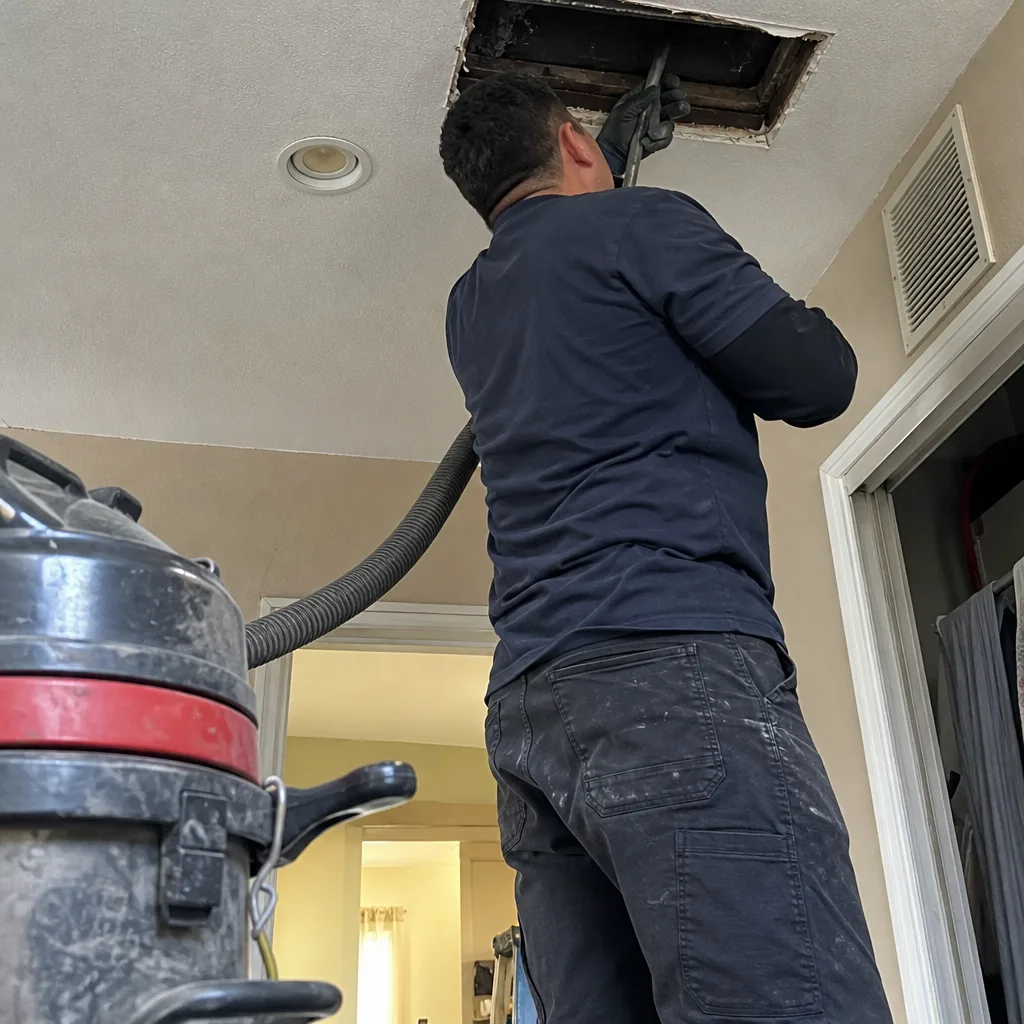 Before
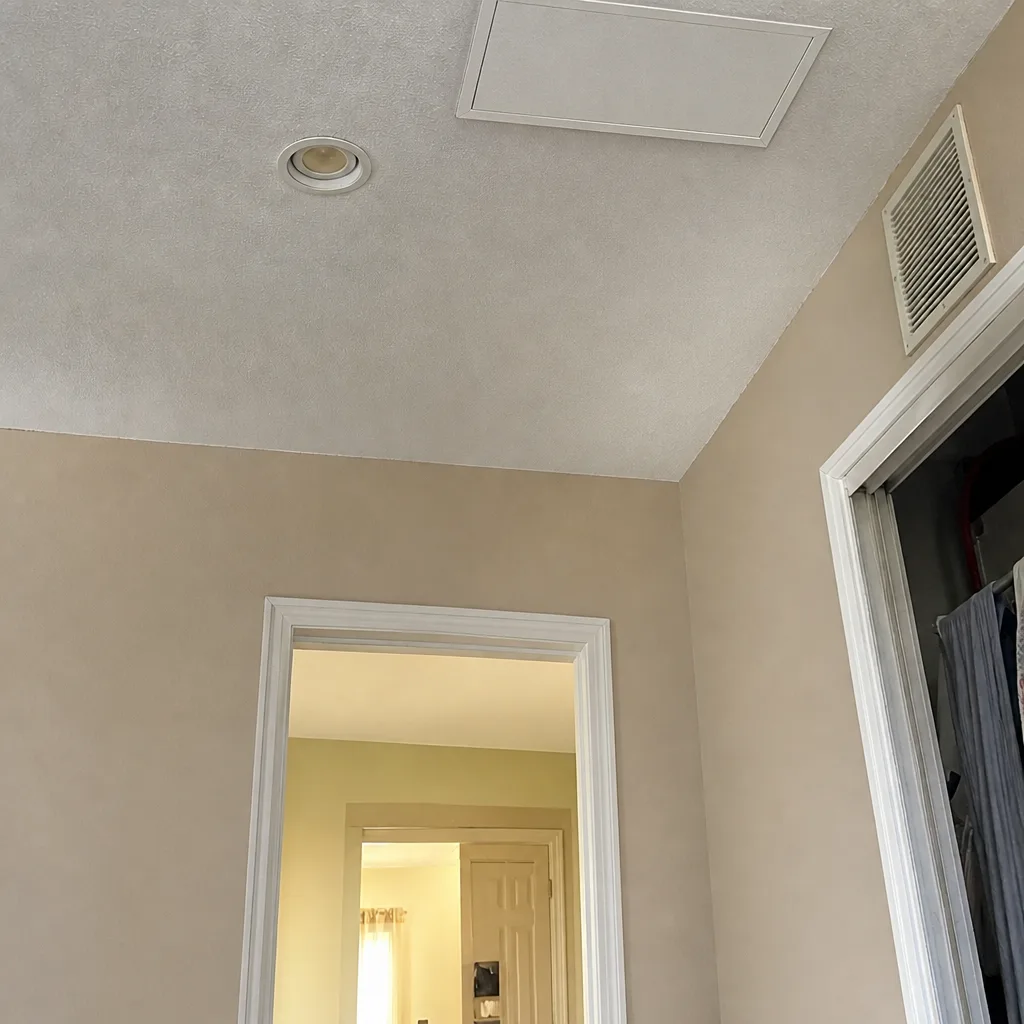 After
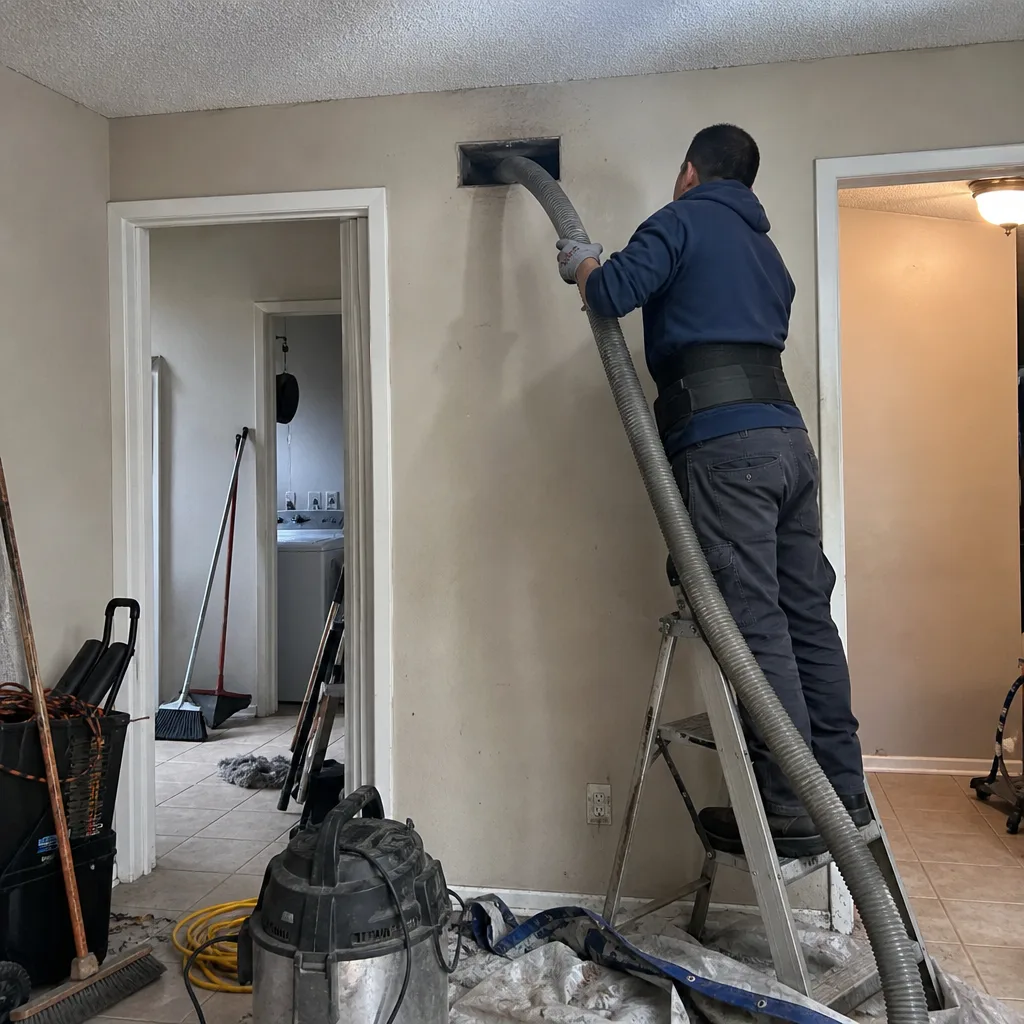 Before
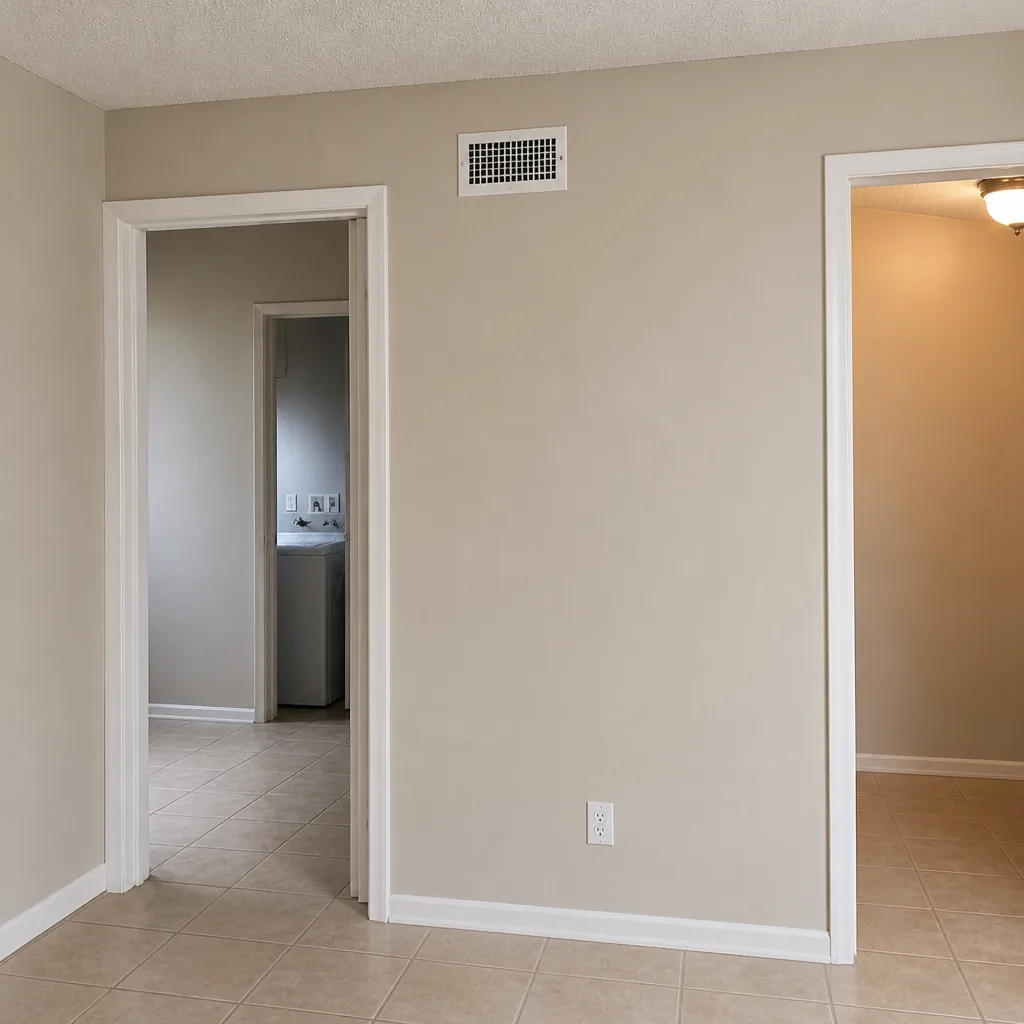 After
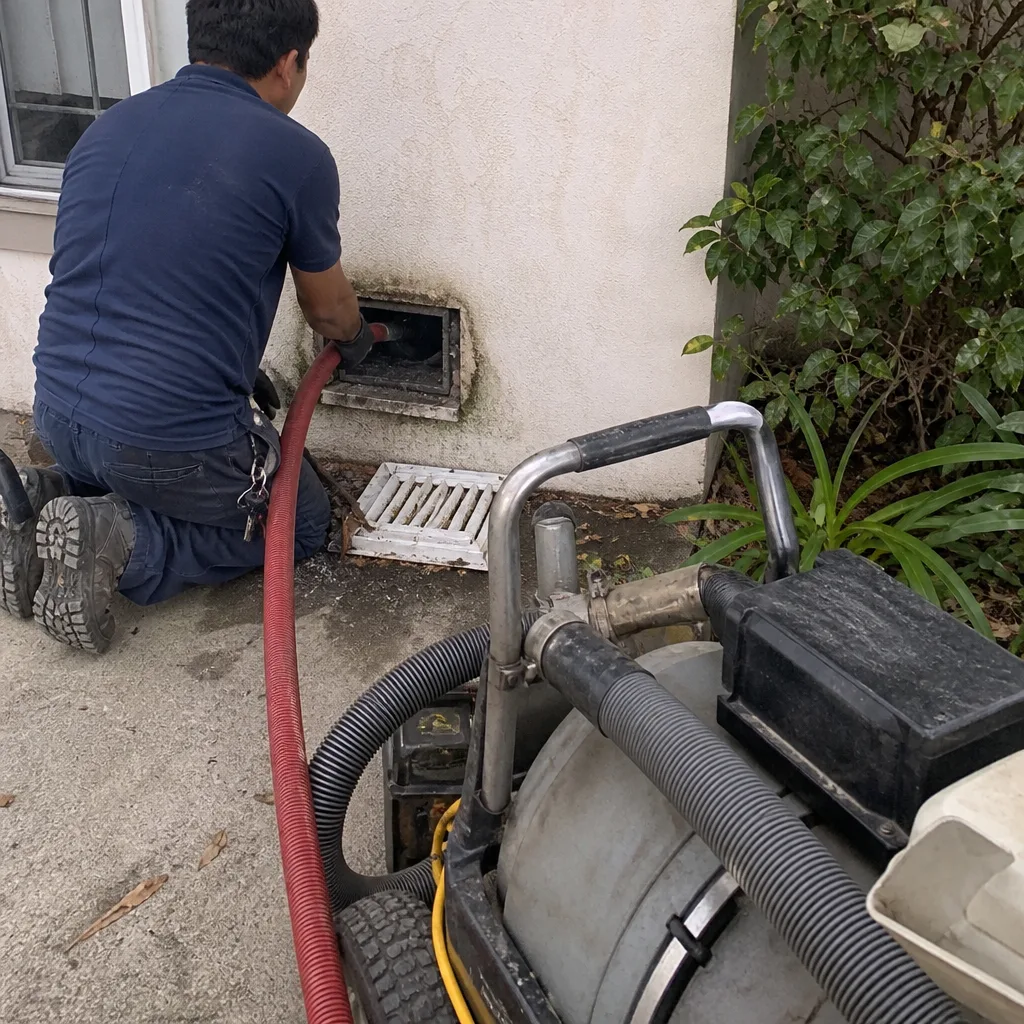 Before
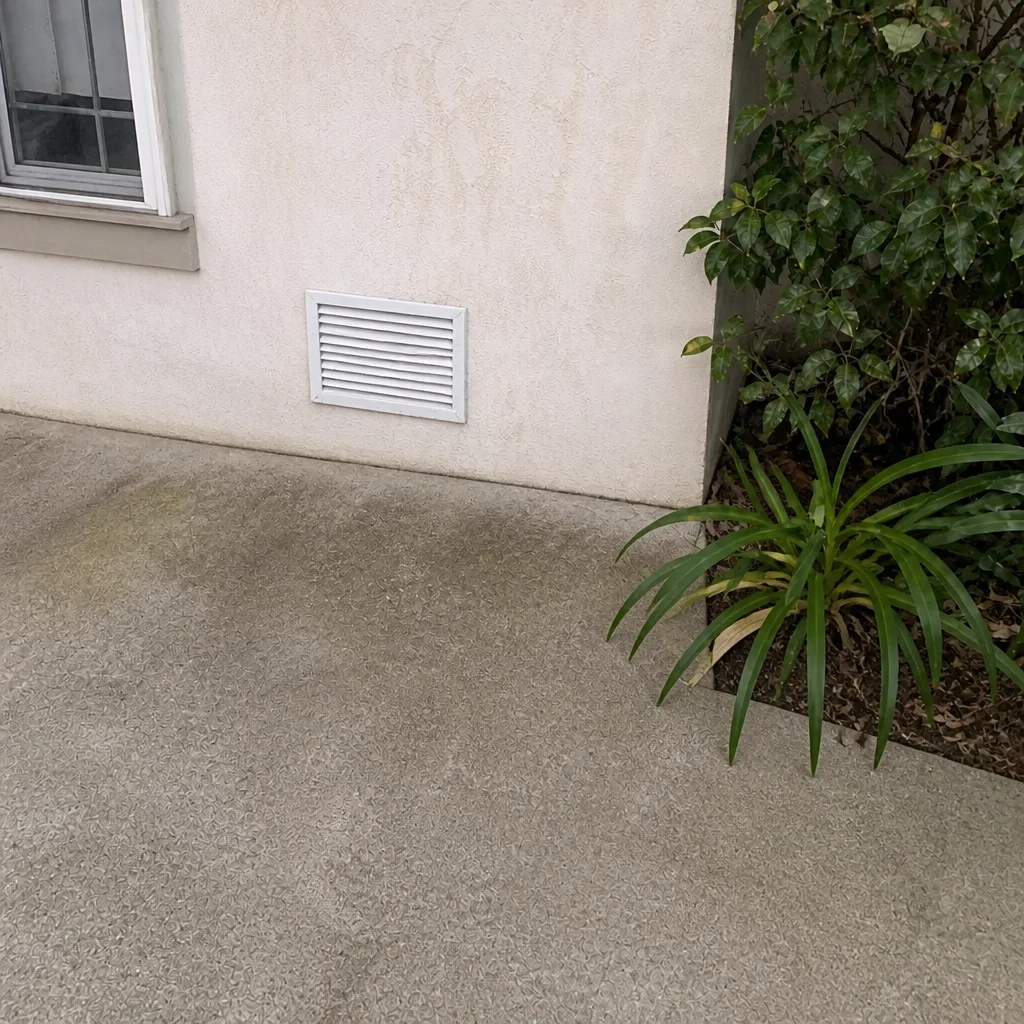 After
When to Call a Professional
Call us when the situation fits any of these: smoke has infiltrated the home and the ducts smell like it weeks later, water has reached the HVAC cabinet or attic ductwork, a renovation just produced a heavy dust load inside the system, you’ve had a fire or flood and the rebuild is finishing, or the system is behaving oddly after any of the above. Those are not routine cleaning calls. They are the situations where the scope has to be inspected and the repair and sealing work has to be part of the same visit. Westminster Air Duct Cleaning Co offers free estimates in Westminster. Call (855) 550-7935. We answer 24/7. Fast dispatch from 7am to 7pm, Sunday through Friday, and we’re closed on Saturday. Estimates are free and the price is set per job by the written estimate.
Frequently Asked Questions
Most Westminster homes fall within a whole-system estimate that depends on square footage, how many runs the system serves, and whether repairs or sanitizing are needed. We don’t quote per-vent; we provide one flat price per system agreed before work starts, and the written estimate sets the final price. Call (855) 550-7935 for an exact quote – estimates are free.
Only if your system has higher-efficiency filtration and a clean filter in place, and even then, keeping the fan on low in recirculation mode is the operating guidance. With a standard 1-inch filter, running the system during heavy smoke pulls particulate into the duct network and distributes it through the home. Shut it down, close the windows, and plan a professional cleaning once the outdoor air clears. Call (855) 550-7935 to schedule a post-smoke inspection.
Mold can begin colonizing a wet duct interior within 24 to 72 hours, given the dark, humid environment and the dust that already lines the duct walls. The window to prevent colonization is shorter than most homeowners expect, and saturated insulation has to be either dried and verified or replaced. Call (855) 550-7935 for a water-damage duct inspection.
Low quotes usually cover a vacuum pass at the vent without touching the return, the air handler, or the blower cabinet, and they rarely include repair, sealing, or sanitizing. The problem with per-vent pricing is that it incentivizes speed over completeness. We quote one flat price per system, show before-and-after photos of your own ducts, and the written estimate sets the final price. Call (855) 550-7935 for an exact quote – estimates are free.
Before-and-after photos of your own ducts, taken by the technician and shared with you, plus a written description of what was found and what was done. If a contractor can’t or won’t document the work, that’s your answer. We document every job. Call (855) 550-7935 for an estimate.
For most homes, every few years is reasonable. After a smoke event, water intrusion, or major renovation, it should be done regardless of the schedule, because those events put contamination into the pathway that routine timing doesn’t account for. If you’ve had any of those, call (855) 550-7935. Estimates are free.
The Bottom Line
Emergency duct response in Westminster comes down to timing and scope. Shut the system down during heavy smoke, get water-damaged ductwork inspected within the first 72 hours, and document everything before anyone cleans. Then make sure the service you book covers the whole air pathway, from the HVAC cabinet to the vent grille, because cleaning the ducts while the cabinet and coil hold residue just redistributes the problem. Duct repair and sealing belongs in the same job, and upgrades like Honeywell and Aprilaire filtration are what keep the next event from starting the cycle over. If you want the pathway inspected before the next smoke season or wet season, Westminster Air Duct Cleaning Co is ready. Call (855) 550-7935. We answer 24/7. Fast dispatch from 7am to 7pm, Sunday through Friday. Estimates are free. Learn more about the full service at Westminster Air Duct Cleaning Co.
Written by the team at Westminster Air Duct Cleaning Co.