
Last updated November 25, 2026
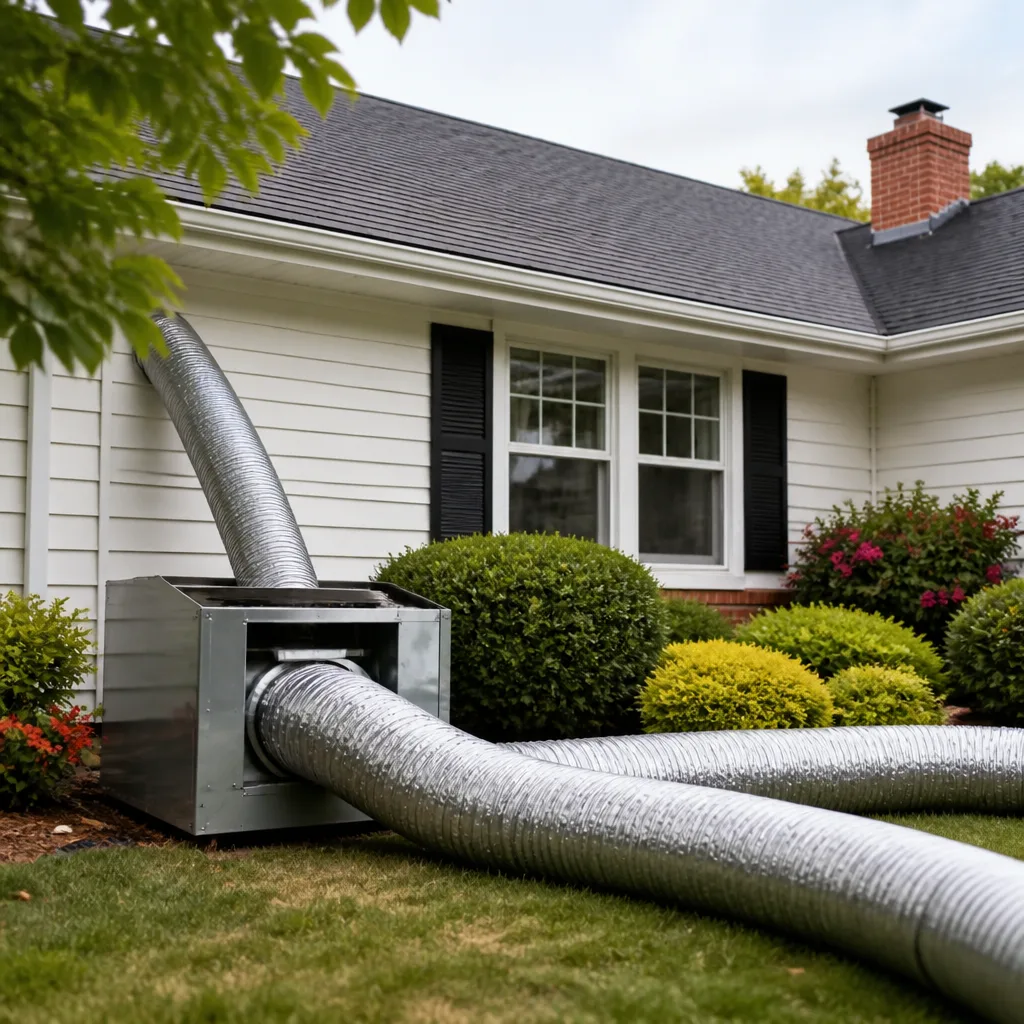 Whole-home duct cleaning
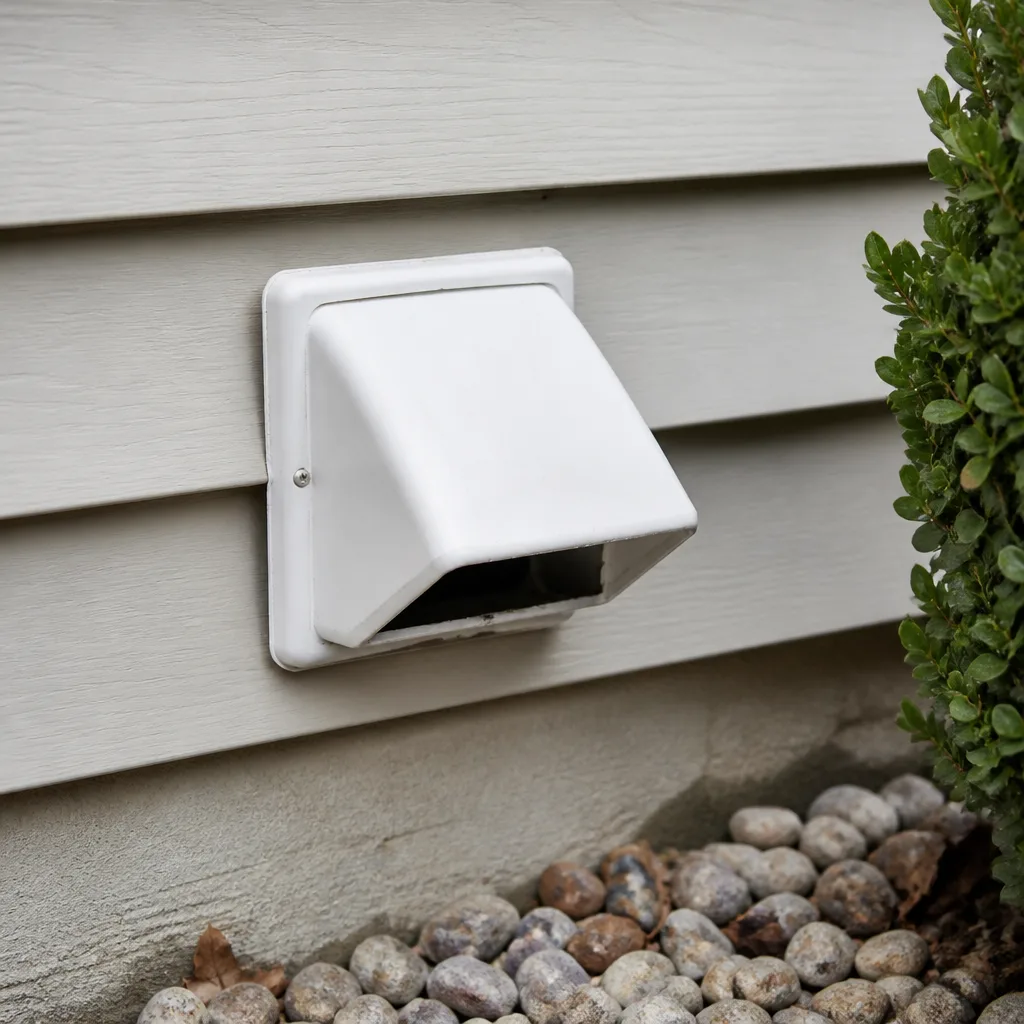 Dryer vent cleaning
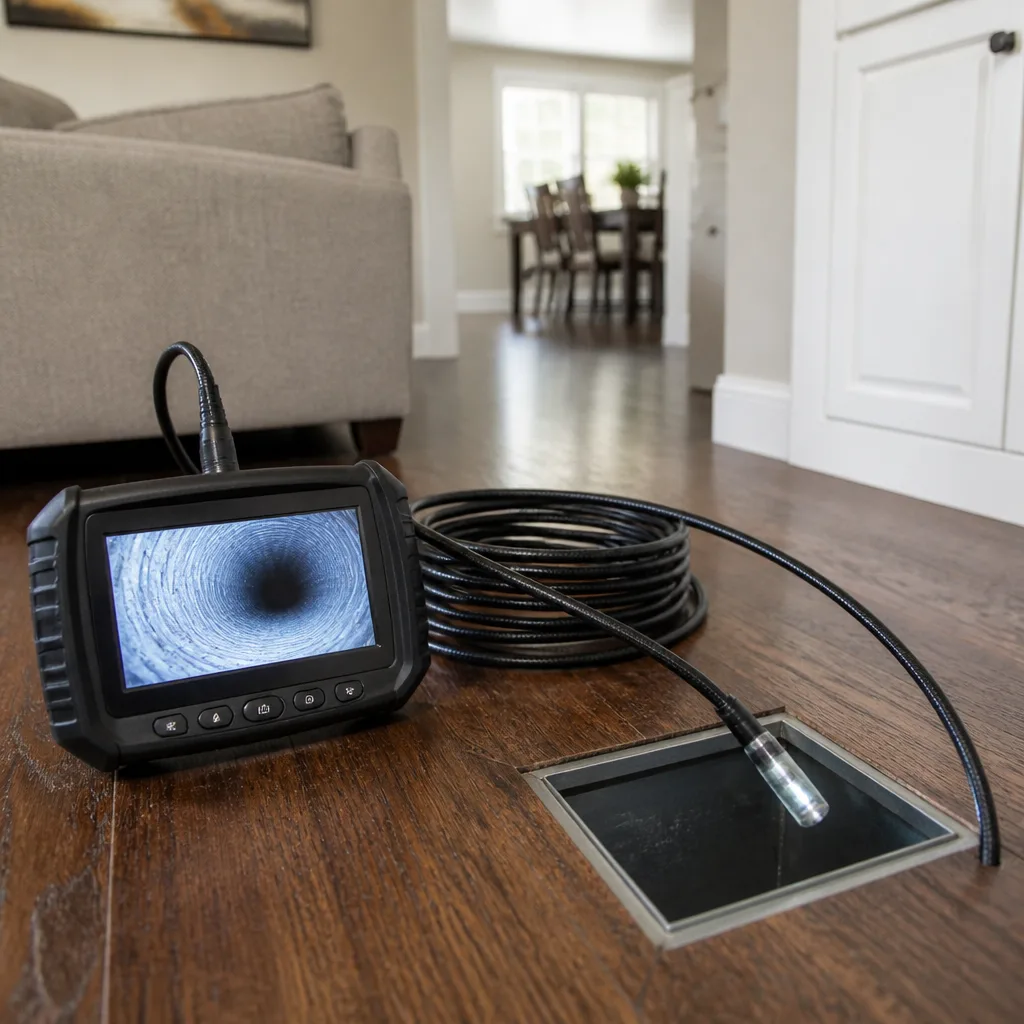 Camera inspection
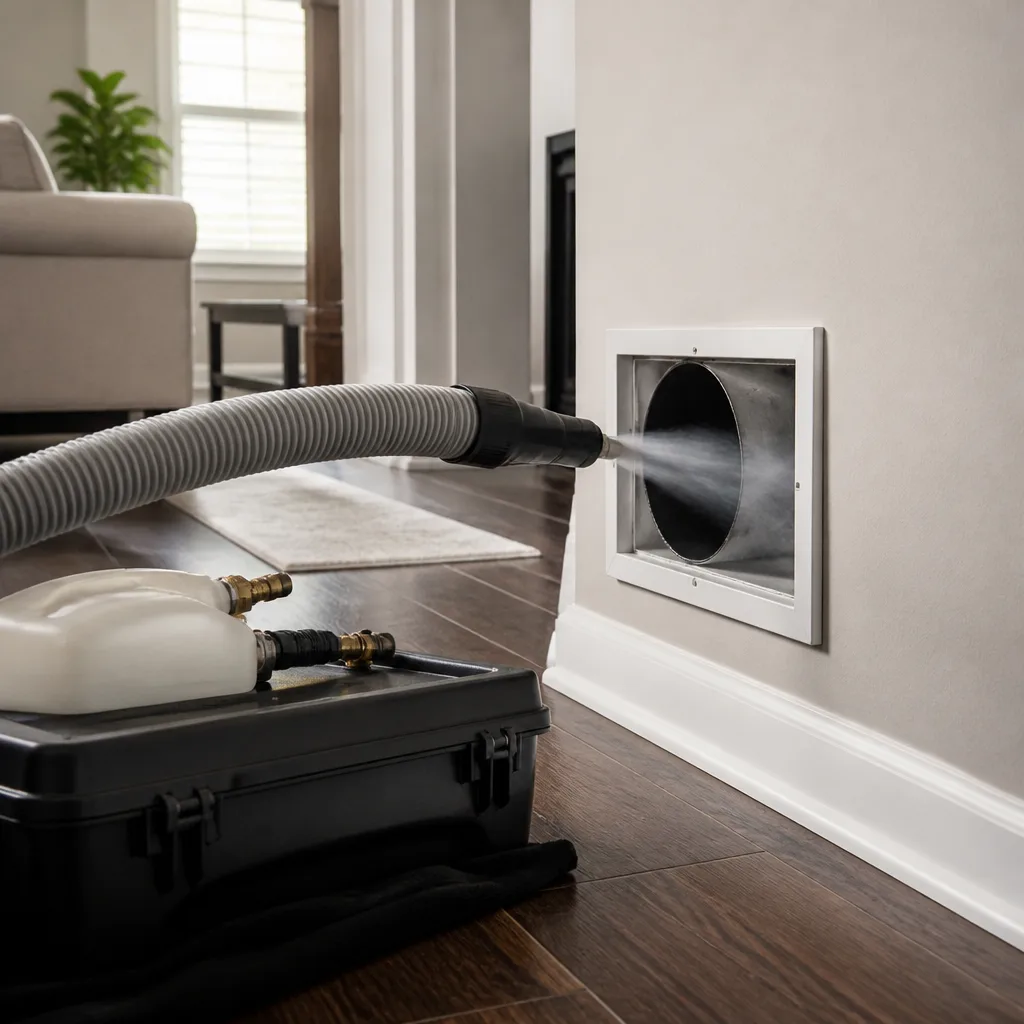 Sanitizing & deodorizing
Whole-system duct and dryer vent check with before-and-after photos - you see exactly what came out of your vents
That "$99 whole-house special" is a bait ad - the real number appears once they are in your hallway, or the "clean" is a shop-vac at the register. We photograph the inside of your ducts before and after instead.
Air Duct Cleaning Maintenance Schedule: What to Do and When
The most repeated number in this industry is “every three to five years.” It comes from EPA guidance that was written for a national average, and a national average doesn’t describe a Westminster home. When your HVAC system runs more than ten months a year in mild Southern California weather, the calendar stops being a useful measuring stick. Contamination builds with runtime hours, not with birthdays. What follows is a schedule built around that reality: how many hours your blower actually turns, what Westminster’s air and housing stock add to the math, and what you should be doing between professional visits. By the end you’ll have a month-by-month checklist and a clear sense of when to stop waiting and get the ducts looked at.
Quick Answer
In Westminster, most homes need professional duct cleaning every 3 to 5 years of normal use, but that range shrinks to about every 2 to 3 years if your HVAC runs heavily, you have pets, or you’ve done a renovation. A better anchor than the calendar is runtime: plan on a professional inspection roughly every 4,000 to 6,000 hours of blower operation, and change filters every 1 to 3 months depending on filter grade and household conditions.
Styles & brands we work with
- Whole-home duct cleaning
- Dryer vent cleaning
- Camera inspection
- Sanitizing & deodorizing
Table of Contents
- Why Runtime Hours Matter More Than Calendar Years
- Westminster-Specific Factors That Accelerate Contamination
- The Recommended Inspection and Cleaning Schedule
- What to Do Between Professional Cleanings
- A Month-by-Month Maintenance Checklist
- Trigger Events That Override Any Schedule
- What a Professional Cleaning Visit Actually Involves
- How to Choose a Duct Cleaning Provider
Why Runtime Hours Matter More Than Calendar Years
A duct system doesn’t collect dust on a fixed timeline. It collects dust in proportion to how much air moves through it. Think of it the way you’d think about a car: a vehicle that idles for two hours every day accumulates wear faster than one that sits in a driveway, even if both have the same model year on the title.
In Westminster, that distinction matters. Winters here are mild, so many households run the HVAC for air movement and filtration almost year-round rather than for heating or cooling in distinct seasons. That means the blower on a typical Westminster system can log far more hours per calendar year than the EPA’s national model assumed. A system that might run 1,500 hours a year in a colder climate can easily double that in ours.
Here’s how our technicians frame the interval in practice:
- Light use (HVAC runs a few hours a day, single occupant, no pets): 4 to 5 years between cleanings.
- Moderate use (HVAC runs most days, family household, one or two pets): 3 to 4 years.
- Heavy use (HVAC runs nearly continuously, multiple pets, allergy sufferers in the home): 2 to 3 years.
- Elevated conditions (recent renovation, visible dust at grilles, musty odor, water intrusion): within weeks to months, not years.
The point isn’t to hand you a rigid number. It’s to shift the question from “how many years has it been?” to “how much air has gone through, and what was in it?” That second question is what actually determines whether your ducts need attention. Our technicians have up to 11 years of experience reading those signs, and it’s the first thing they assess on any air duct cleaning visit.
Westminster-Specific Factors That Accelerate Contamination
National averages assume a generic house in a generic climate. Westminster homes are not generic. Several local conditions push the contamination curve steeper than the standard interval accounts for.
Coastal air and the marine layer
Westminster sits in a mild coastal-influenced climate, which means particulate from the marine layer and inland air movement can settle indoors over time. Fine particles that make it into the return side of the system coat the inside of ducts and stick to flex liner surfaces. Your filter catches some of it; the rest lands in the ductwork and stays there, recirculating each time the blower runs.
Older flex duct construction
Many Westminster homes, particularly in older tract neighborhoods, were built with flex duct runs that sag, kink, or rest against structural members. Flex duct with slack or sharp bends creates low-flow pockets where debris settles and never gets pushed through. Those pockets don’t clean themselves, and they tend to be where a professional inspection finds the worst accumulation. Duct repair and sealing is often needed alongside cleaning to eliminate the conditions that caused the buildup in the first place.
High HVAC runtime and continuous-fan operation
Homeowners in Westminster often run the fan continuously for filtration and comfort on warm, still days. That’s a reasonable strategy, but it multiplies runtime hours and by extension, the amount of debris-laden air the system processes. If you run the fan on “on” rather than “auto,” assume your cleaning interval shortens.
Humidity and moisture in the air pathway
Marine layer humidity can create condensation inside the HVAC system when the air conditioning runs, particularly on the evaporator coil and in the immediate return plenum. Damp surfaces attract and hold dust, which can turn into biological growth if it stays wet long enough. That’s one reason we offer duct repair and air sanitizing alongside cleaning: moisture problems need to be sealed and treated, not just vacuumed.
We use Rotobrush rotary brush systems and Nikro HEPA-rated vacuum equipment because flex duct and older duct layouts demand controlled agitation and true HEPA filtration during extraction. Consumer-grade vacuums release fine particulate back into the air as they work.
The Recommended Inspection and Cleaning Schedule
Here’s the schedule we recommend to our Westminster customers. Treatment it as a starting point and adjust based on what you find at the grilles and how your household runs its HVAC.
- Every 1 to 3 months: Replace or clean the HVAC filter. Grading and household conditions determine the interval; a high-MERV filter loaded with pet hair needs changing more often than a standard filter in a pet-free home.
- Every 3 months: Walk the house and look at every supply and return grille. Dust streaks, dark staining, or visible buildup on the grille face is your earliest warning that the system behind them is loading up.
- Every 6 to 12 months: Clean grille faces and check for musty odors, rattles, or weak airflow at specific registers. Weak airflow at one vent often means a disconnected or crushed duct run, not a dirty whole system.
- Every 2 to 3 years: Professional camera inspection of the duct interior. A technician can tell you in minutes whether the system needs cleaning with professional equipment or whether you’re still on schedule.
- Every 3 to 5 years: Full professional duct cleaning with agitation and HEPA extraction. In heavier-use Westminster households, shorten this to every 2 to 3 years.
- Every 5 years: Full duct leakage assessment and sealing if needed. Leaky ducts pull unfiltered attic or crawlspace air into the system, which accelerates contamination on the clean side.
- Annually: Dryer vent cleaning, as a safety measure independent of the HVAC schedule. Lint accumulation in dryer vents is a fire risk regardless of how clean your supply and return ducts are.
One note on that last item: dryer vent cleaning belongs on this schedule because it’s safety-critical, not because it has anything to do with your supply air. It’s the one vent cleaning task you should never postpone.
What to Do Between Professional Cleanings
The cleaning itself is a single visit every few years. What you do in between matters at least as much, because it determines when that next visit is due.
Filter grades
Every filter on the market trades filtration against airflow. Higher MERV catches more particles but restricts air more, which can strain your blower and reduce comfort. For a typical Westminster home, a filter in the MERV 8 to MERV 11 range is a reasonable balance. If someone in the house has allergies or you have pets, MERV 11 to MERV 13 is worth considering, but check that your system’s blower can handle the restriction. We install Honeywell and Aprilaire filtration equipment when a home needs more than a filter change can deliver. The brand matters less than the fit: the filter has to match your return grille dimensions and sit flush in the slot.
Grille checks
Grilles are your window into the duct system. Once a month, look up at the supply registers. If the grille faces are oily or sticky, there’s humidity or cooking grease getting into the return side. If they’re streaked with dark dust, the filtration isn’t keeping up. If one register is noticeably dirtier than others, that’s a sign of a duct leak pulling unfiltered air into that run.
Visual inspections
At each filter change, glance inside the return plenum where you can reach it. A flashlight and a phone camera will show you more than you’d expect. If you see visible buildup on the sheet metal or flex liner beyond the filter slot, or if you can smell a musty odor when the system starts, make a note. Those two signs alone often justify an earlier professional inspection than your calendar schedule would suggest.
Airflow and comfort observations
Track whether certain rooms feel under-served or whether you’re suddenly adjusting the thermostat more than usual. Slow drifts in comfort are usually duct leakage or a dirty evaporator coil, not a failing unit. Catching those early is cheaper than replacing equipment. Our HVAC cleaning service includes the indoor coil and drain pan, which are the two components most likely to collect debris you never see at a grille.
A Month-by-Month Maintenance Checklist
Here’s the annual loop we give homeowners. It doesn’t require special tools, and it maps to how the seasons actually affect HVAC operation in Westminster.
- January: Replace the filter. Check return plenum for visible dust. Look for condensation inside the unit cabinet.
- February: Clean all grille faces with a damp cloth. Note any that require scrubbing.
- March: Walk the exterior duct runs if accessible in the attic. Look for disconnected flex, collapsed sections, or torn vapor barrier.
- April: Replace the filter. Before the cooling season ramps up, smell-test the system: run the fan for 10 minutes with the windows closed and note any musty odor.
- May: Clean grille faces. Check dryer vent exterior flap; if it opens with resistance or you see lint visible at the exterior, schedule a dryer vent cleaning.
- June: Replace the filter. Confirm the evaporator drain line is flowing freely. A slow drain in summer can introduce moisture into the air pathway.
- July: Mid-summer filter check. In a heavily used Westminster home running the fan continuously, replace again if loaded.
- August: Clean grille faces. Note any new dust streaks or weak register airflow.
- September: Replace the filter. Visual check of the return plenum with a flashlight. Schedule a professional inspection if you’re due.
- October: Check flex duct runs where visible. If you had any water intrusion during the year, this is the moment to confirm the ducts are dry before winter.
- November: Replace the filter. Clean grille faces. Inspect the furnace or air handler filter door seal.
- December: Year-end review: count filter changes, note any odors, weak vents, or comfort complaints from the year. That list is what you bring to a professional consultation.
The point of the checklist isn’t perfect adherence. It’s a rhythm that keeps you from discovering a duct problem by smell on a hot day in July.
Trigger Events That Override Any Schedule
Some events reset the clock. If any of these happen, ignore your interval and schedule a professional inspection.
- Water intrusion: A roof leak, plumbing leak, or HVAC condensate overflow that reached the ductwork. Wet ducts grow biological material quickly, and cleaning alone won’t fix it; you need repair, sealing, and sanitizing.
- Rodent or pest activity: Rodents leave droppings, urine, and nesting material inside duct runs. Never vacuum this yourself. A professional cleaning with HEPA extraction and full containment is necessary because disturbing rodent contamination without proper filtration releases harmful particles into living spaces.
- Renovation dust: Drywall dust, sawdust, and construction debris that entered the return air path during remodeling. Abatement Technologies air filtration equipment is our choice for high-contamination and post-construction scenarios where standard extraction isn’t enough.
- A new pet: Adding a dog or cat increases both hair load and dander in the return air stream. Even if your schedule says you’re fine, the system isn’t. Filter interval tightens and inspection comes sooner.
- Smoke, wildfire ash, or a fire nearby: Smoke particulates that enter the return system can leave residues that odor-testing alone won’t reveal. Sanitizing and cleaning may be needed.
- Mold visible in or near the air handler: Treat this as a stop-everything item. Do not run the system. Call for professional assessment of the air pathway before using the HVAC.
- New home purchase: You don’t know the previous owner’s cleaning history. A first-year inspection is always worth the call.
When to stop and call before touching the system
If you see what looks like mold growth inside the ductwork or around the air handler, don’t run the system, don’t vacuum it yourself, and don’t try to spray anything into the ducts. Call a professional. A trained technician can inspect the air pathway, assess what’s growing and why, and determine whether cleaning, sanitizing, repair, or all three are needed. We answer 24/7. Fast dispatch from 7am to 7pm, Sunday through Friday.
What a Professional Cleaning Visit Actually Involves
Homeowners hesitate because they’ve heard about a technician who ran a shop vac over three vents and billed for a full cleaning. That’s a legitimate concern. Here’s what a proper visit actually looks like when it’s done right.
- Inspection: The technician inspects every accessible duct run with a camera and notes conditions before anything is touched.
- Containment: All supply and return registers are sealed with a containment system, and HEPA-rated extraction equipment (we use Nikro) is connected at the air handler or in strategic locations.
- Agitation: Rotobrush rotary brush systems are run through the ducts to break loose debris that surface vacuuming can’t reach. This is what turns a superficial vacuum into an actual cleaning.
- Extraction: All loosened debris is drawn into HEPA-rated collection. Nothing gets pushed out into the living space.
- HVAC-side cleaning: The blower wheel, evaporator coil, drain pan, and cabinet interior are cleaned as part of the air pathway, not skipped as a separate service.
- Repair and sealing, if needed: Any disconnected, crushed, or leaking flex duct gets repaired or sealed. Cleaning without sealing is half a job.
- Sanitizing, if warranted: When contamination or odor is present, a Guardsman-grade sanitizing treatment is applied to the air pathway.
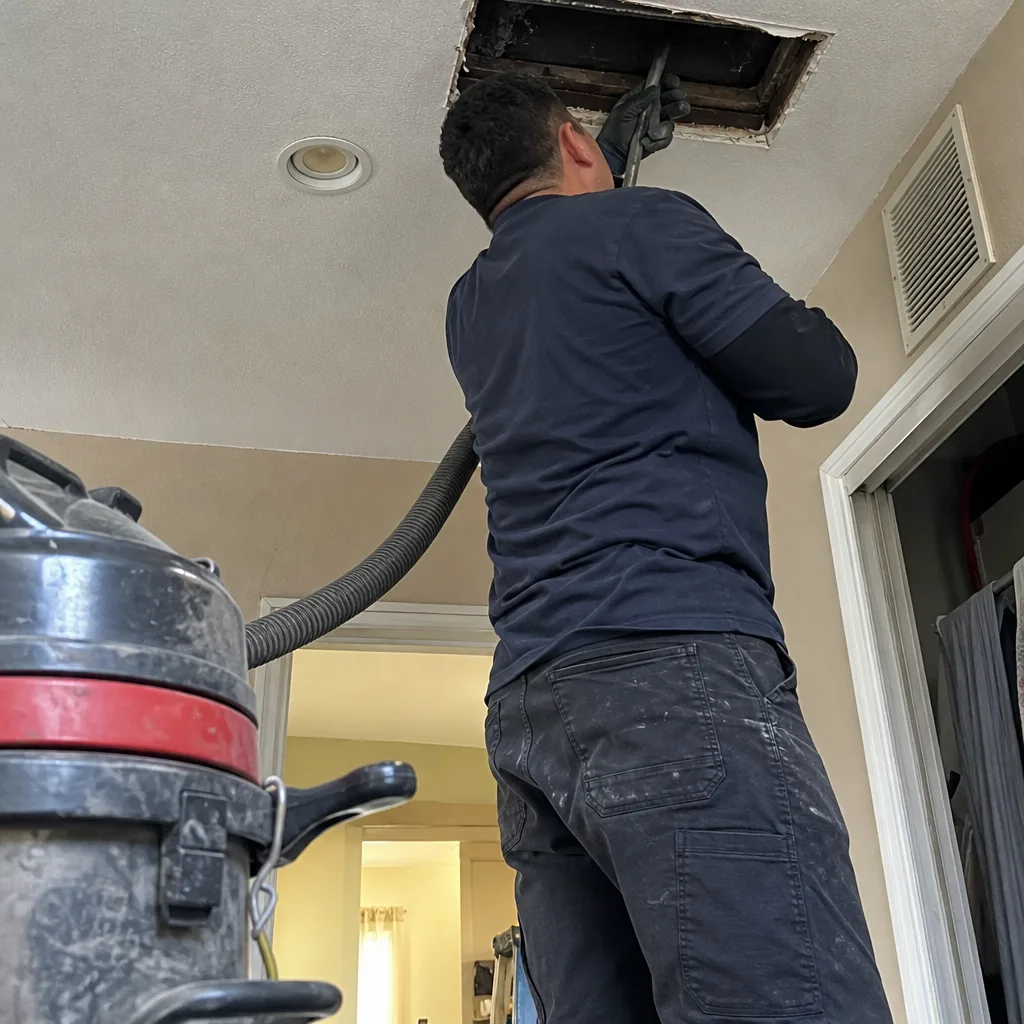
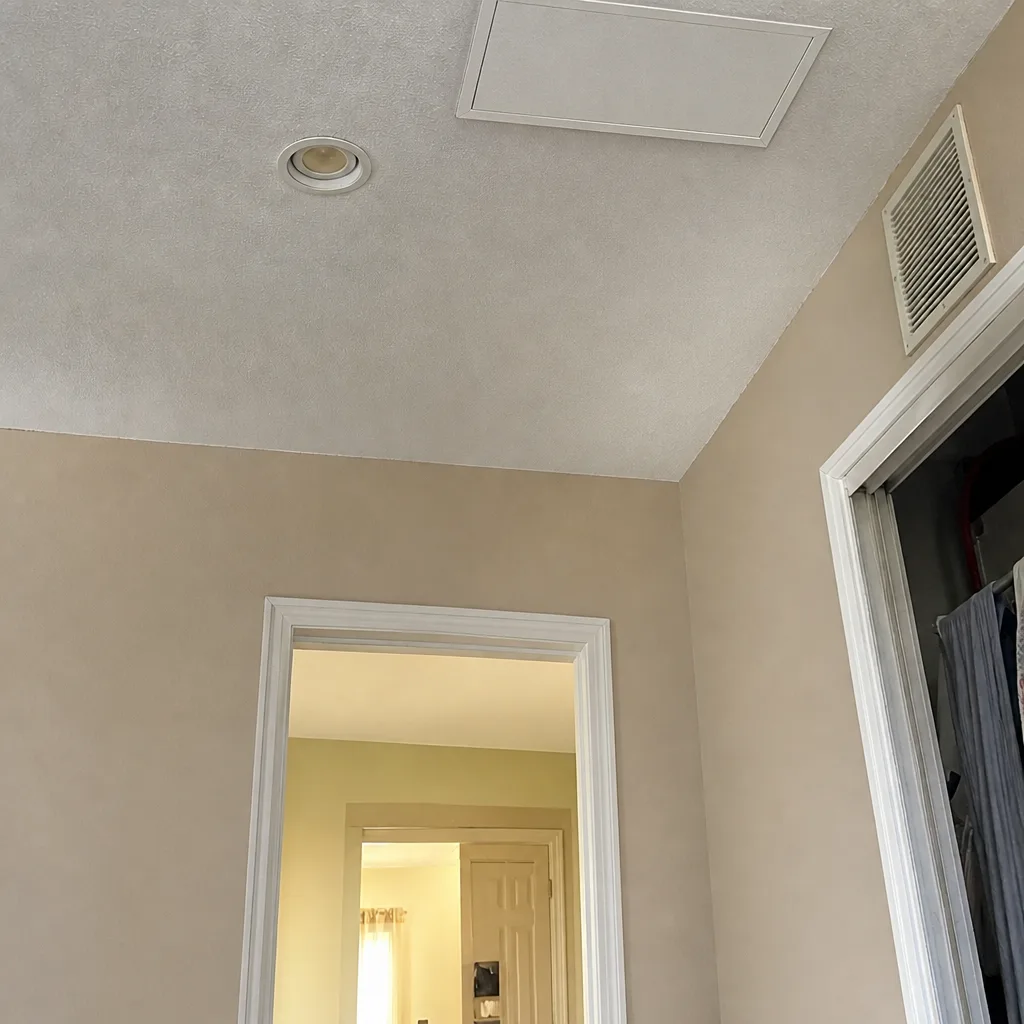
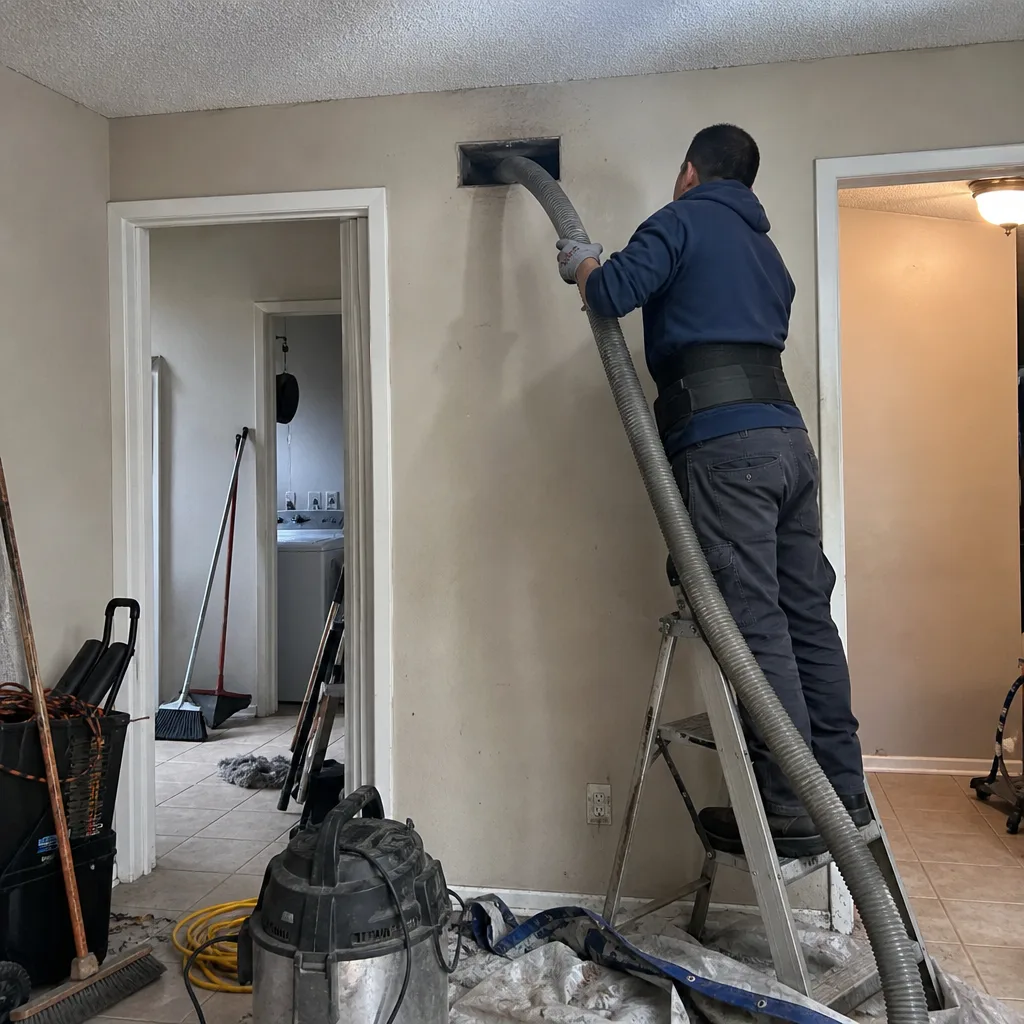
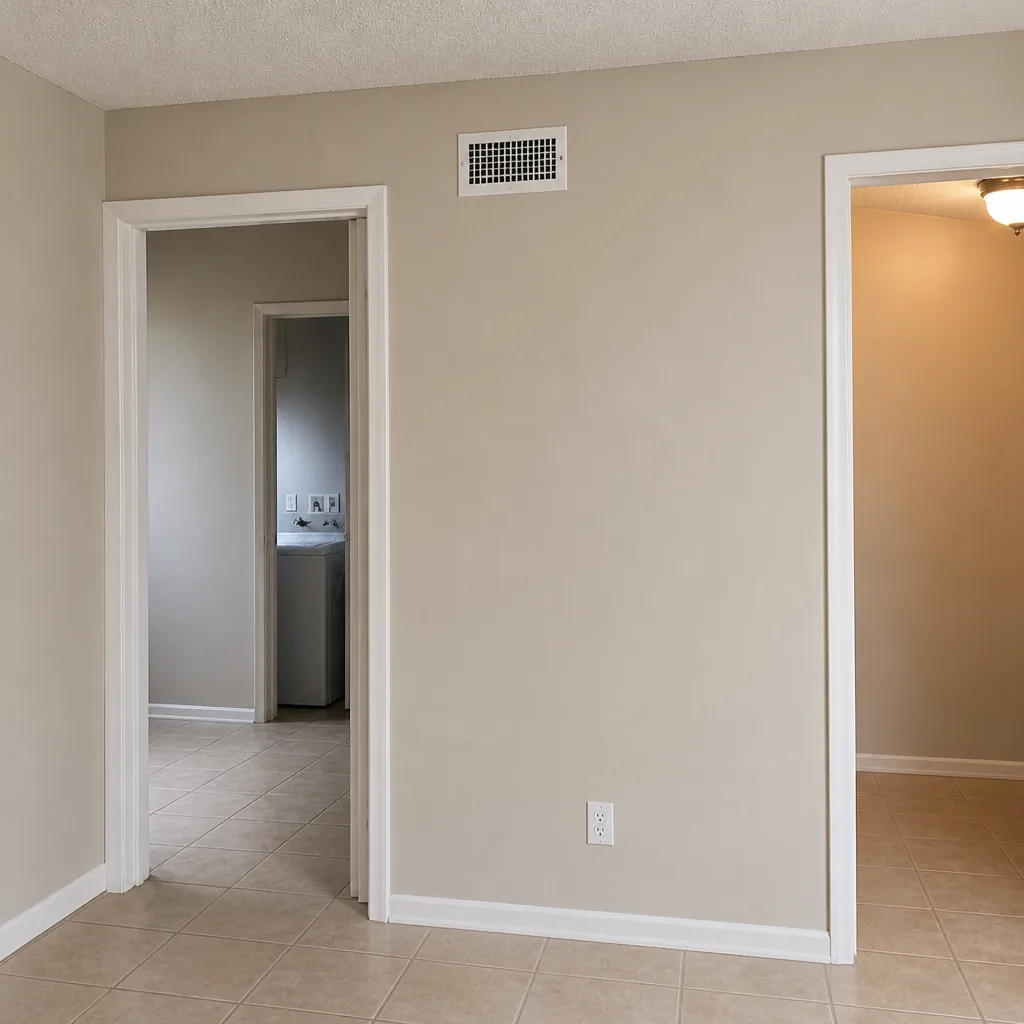
- Before-and-after documentation: You see what was found and what was fixed. Photos before and after.
We use Abatement Technologies filtration equipment on jobs where contamination is significant: post-renovation debris, pest-contaminated systems, or homes where somebody in the household has respiratory concerns. For heavier contamination and remediation-level concerns, it’s the right equipment.
It’s also worth knowing that when the cleaning uncovers a filtration or humidity problem that cleaning alone can’t fix, we integrate Honeywell and Aprilaire equipment for upgraded filtration and humidity control. The cleaning is one visit. The system you live with every day after it is what determines your next interval.
How to Choose a Duct Cleaning Provider
Not all duct cleaning is the same, and the schedule above only works if the cleaning actually gets done correctly. Here’s what to look for.
- Professional equipment, named: Ask what equipment they use. Rotobrush, Nikro, Abatement Technologies. If the answer is generic, keep asking questions.
- Containment and HEPA extraction: Every job should be contained. No exceptions. If they can’t explain containment, they’re not doing a real cleaning.
- Pricing structure: A flat price per system, agreed before work starts. If the quote is per-vent or introductory pricing with escalation clauses, that’s a warning sign. You shouldn’t have to guess what the bill will actually be.
- Scope of service: Cleaning, repair and sealing, sanitizing, dryer vent, and HVAC-side cleaning should all be offered by the same company or coordinated clearly. Otherwise the seams between vendors become your problem.
- Documentation: Before and after photos. Proof that the work was done, not a verbal account of it.
You can read more about the company behind these recommendations at Westminster Air Duct Cleaning Co, or ask direct questions when you call. A good provider will answer them without discomfort.
Common Mistakes to Avoid
- Following the calendar instead of the runtime. A Westminster home running the fan continuously for ten months a year will need cleaning sooner than the three-year mark. Track runtime hours, not just birthdays.
- Skipping the filter change because “it still looks clean.” A filter can be loaded with fine particulate well before it visibly darkens. Change on schedule, not on appearance.
- Vacuuming ducts with a shop vac. Consumer vacuums don’t have the HEPA filtration to contain fine particulate and they don’t have the agitation to loosen it from the walls of the duct. You’ll redistribute the problem into the living space.
- Cleaning without sealing. If your ducts leak, cleaning just restarts the contamination clock faster. Older tracts here often have flex duct disconnects that need repair before cleaning makes sense.
- Ignoring a musty smell. Odor is the point at which you’ve almost certainly missed your window. Call before the smell gets worse; biological growth inside the air pathway is a professional-level problem.
- Assuming new construction is clean. Finish and drywall dust from any recent renovation ends up in the return side. A post-renovation cleaning is worth scheduling even if the ducts are brand new.
- Forgetting the dryer vent. Your duct cleaning schedule doesn’t cover the dryer vent. That vent needs annual attention on its own because lint buildup is a safety concern, not a comfort one.
See the difference
 Before
 After
 Before
 After
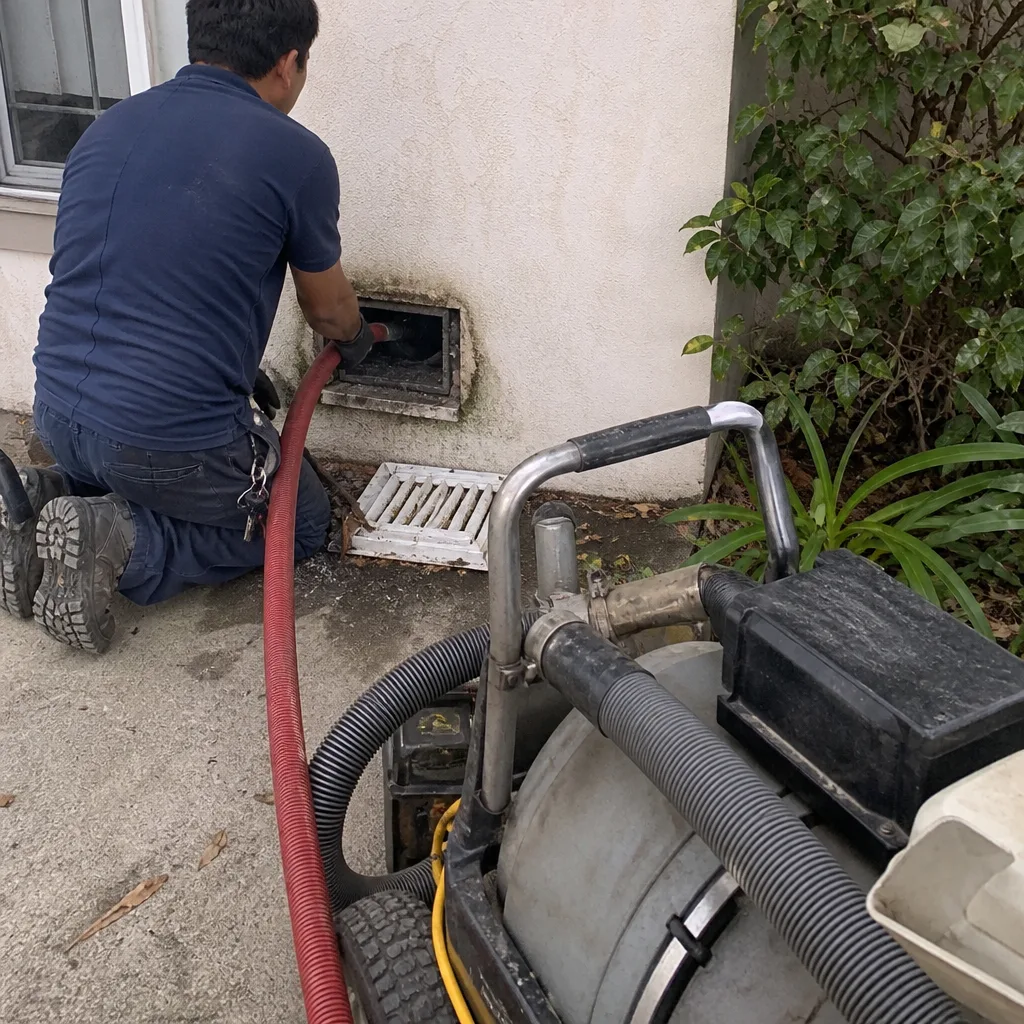 Before
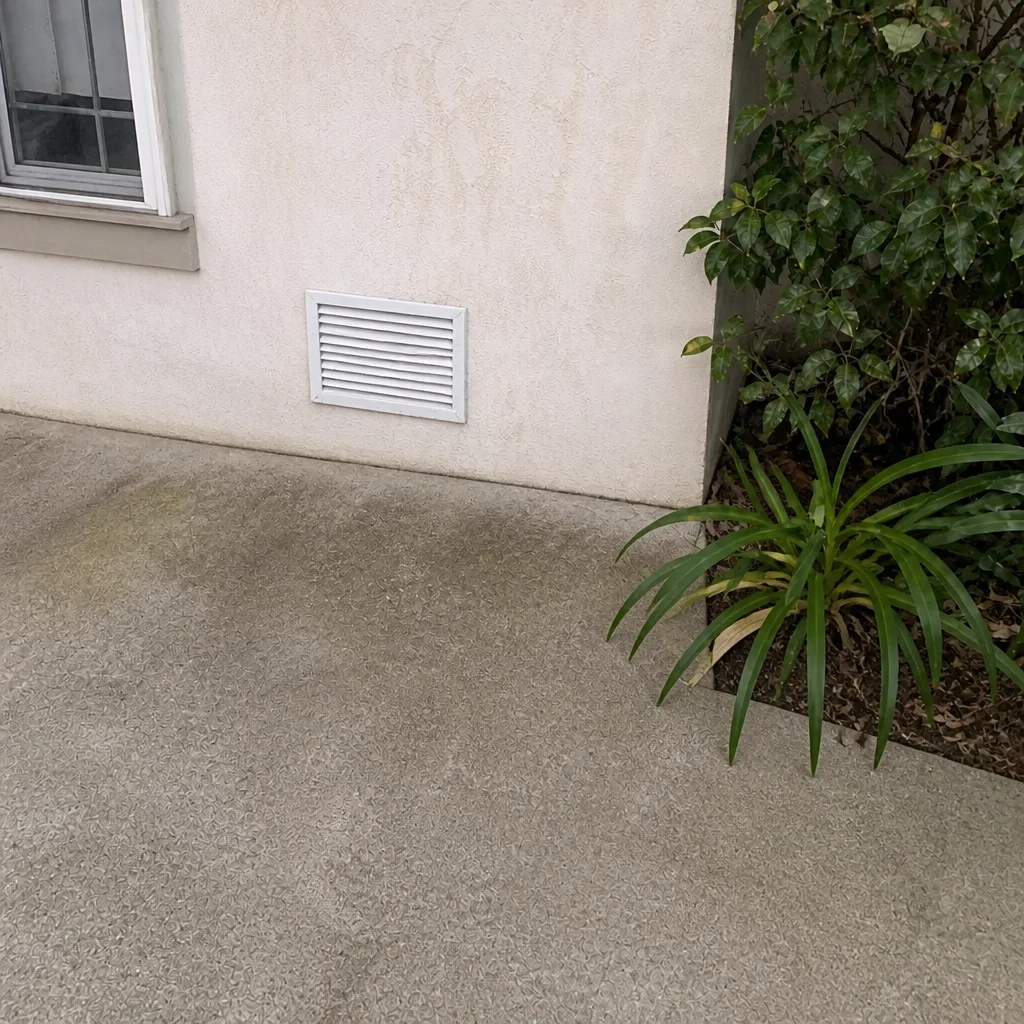 After
When to Call a Professional
Call when the signs cross from “I’ll get to it” to “this needs attention now.” Visible dust streaks on grilles, musty odor when the HVAC starts, weak airflow at individual registers, a recent water intrusion, rodent activity, a renovation, or a home purchase you should have inspected first. Same goes if you’ve never had the ducts cleaned and the house is more than a few years old. Westminster Air Duct Cleaning Co offers free estimates in Westminster, call (855) 550-7935. We answer 24/7. Fast dispatch from 7am to 7pm, Sunday through Friday. The written estimate sets the final price, and the local professional is licensed and insured as their state requires.
Frequently Asked Questions
Most Westminster homes need professional cleaning every 3 to 5 years, and heavier-use homes (continuous fan operation, pets, allergy sufferers in the household) should shorten that to every 2 to 3 years. A better anchor than the calendar is runtime hours: plan on a professional inspection roughly every 4,000 to 6,000 hours of blower operation. Call (855) 550-7935 for an exact quote, estimates are free.
Often yes, because Westminster homes tend to run the HVAC more hours per year than the national model assumes. Mild coastal-influenced weather means less seasonal shutdown, so the blower logs more runtime and the ducts see more particulate. Older flex duct layouts in some Westminster neighborhoods also create low-flow pockets that trap debris and shorten effective intervals. Call (855) 550-7935 for an exact quote, estimates are free.
Change the filter every 1 to 3 months depending on grade and household conditions, clean grille faces quarterly, and visually inspect the reachable return plenum at each filter change. A flashlight inspection at the grilles catches most early problems. If you notice musty odor or visible buildup beyond the filter slot, don’t wait for the calendar; call us. Call (855) 550-7935 for an exact quote, estimates are free.
A cheap quote usually means per-vent pricing with a low base number and a large bill once the technician is on site, or a superficial vacuum cleaning that never touches the HVAC cabinet and didn’t use containment or HEPA extraction. Our approach is one flat price per system agreed before work starts, with before and after photos. No per-vent pricing, no escalating invoice. Call (855) 550-7935 for an exact quote, estimates are free.
Documentation and scope. A proper visit includes before and after photos of the duct interior, an inspection report noting what was found, and cleaning of the full air pathway including the HVAC side, not just the ducts. If a company can’t show you what was found and what was cleaned, assume the work wasn’t done to standard. Call (855) 550-7935 for an exact quote, estimates are free.
No, and that’s why it gets its own annual interval. Dryer vents build up lint, which is a fire risk independent of your supply and return duct condition. Annual dryer vent cleaning is the right rhythm for most Westminster households. Call (855) 550-7935 for an exact quote, estimates are free.
Not always. Cleaning removes debris, but if moisture is getting into the air pathway through leaks or condensation, the smell returns. Duct repair and sealing, sometimes paired with sanitizing, are typically needed to solve a moisture-driven odor completely. Call (855) 550-7935 for an exact quote, estimates are free.
The Bottom Line
Three to five years is a starting point, not a rule. In Westminster, the number shifts because your HVAC runs more hours than the national average and because older flex duct layouts and marine-layer humidity accelerate contamination. Use runtime hours as your anchor, change filters every 1 to 3 months, clean grilles and inspect visually between visits, and treat water intrusion, pest activity, and renovation dust as automatic triggers for professional inspection. When it’s time for a real cleaning, insist on professional agitation and HEPA equipment, containment, repair-and-sealing capability, and documentation of the work. That combination is what makes the schedule reliable. The alternate is a recurring cycle of half-cleanings that never solve the underlying problem.
Ready for a professional assessment? Call (855) 550-7935 for a free estimate. We answer 24/7. Fast dispatch from 7am to 7pm, Sunday through Friday.
Written by the team at Westminster Air Duct Cleaning Co.